Moving to a new city is an adventure filled with excitement and fresh possibilities, but before you can explore bustling streets and hidden gems, there’s one crucial task to tackle: packing. Unlike a typical move, packing for a city relocation calls for a blend of strategy, efficiency, and a keen eye for detail. Whether you’re trading suburban sprawl for urban energy or simply shifting to a different neighborhood within the metropolitan maze, the way you pack can make all the difference between a smooth transition and a chaotic jumble. In this guide, we’ll explore practical tips and thoughtful approaches to help you pack smartly, ensuring your city move is as seamless as the skyline you’re about to call home.
Table of Contents
- Preparing Your Essentials with Urban Living in Mind
- Choosing Smart Packing Materials for City Moves
- Strategizing Room-by-Room to Maximize Efficiency
- Labeling Containers for Easy Unpacking
- Packing for Navigating Crowded Streets and Public Transport
- Protecting Valuables and Fragile Items in Tight Spaces
- Q&A
- To Conclude

Preparing Your Essentials with Urban Living in Mind
When transitioning to city life, the key to packing your essentials lies in prioritizing multi-functional items that maximize space and utility. Think compact kitchen gadgets that double as storage, foldable furniture, and tech gear designed for small living spaces. Embrace minimalism by focusing on quality over quantity—choose a versatile wardrobe suited for diverse urban occasions, and pack chargers, adapters, and portable power banks to stay connected no matter where your day takes you.
Organizing your belongings with urban efficiency in mind will also streamline your move. Here’s a quick checklist to guide your essentials packing:
- Smart Storage Solutions: Collapsible boxes, vacuum-sealed bags, stackable bins
- Daily Commute Gear: Durable backpack, reusable water bottle, portable umbrella
- Home Comforts: Compact cookware, noise-cancelling headphones, multi-purpose linens
- Personal Care: Travel-size toiletries, first aid kit, quick-dry towels
| Item Category | Best Option for Urban Living |
|---|---|
| Furniture | Foldable & stackable |
| Kitchenware | Multi-use & small-scale |
| Storage | Vacuum-sealed bags |
| Clothing | Layerable & versatile |
Choosing Smart Packing Materials for City Moves
When preparing for a move within a bustling city, selecting the right packing materials can significantly ease the process and protect your belongings amid tight spaces and hectic schedules. Opt for lightweight, yet sturdy, supplies such as reinforced cardboard boxes, bubble wrap, and packing paper to provide maximum cushioning with minimal bulk. Consider eco-friendly options too, like recycled boxes or biodegradable peanuts, which can help reduce waste and add a touch of sustainability to your move.
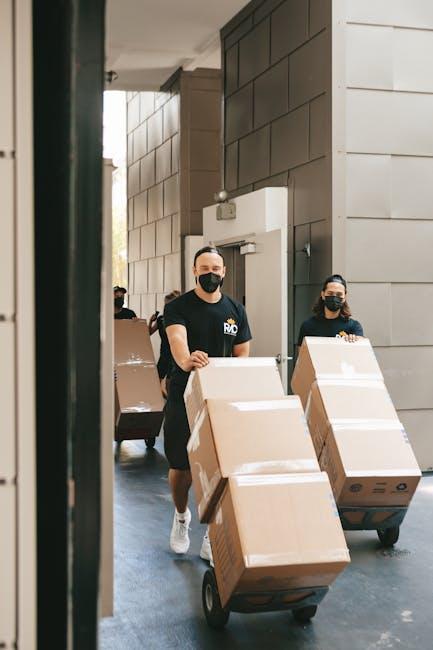
Efficiency is crucial in urban moves where elevator time and parking are limited. Use multi-purpose materials that serve double duty, such as mattress bags that also protect against moisture or adjustable dividers to keep fragile items secure. Below is a quick reference table of recommended materials tailored for city moves:
| Material | Best For | Benefits |
|---|---|---|
| Reinforced Cardboard Boxes | Books, kitchenware | Lightweight, strong, stackable |
| Bubble Wrap | Fragile items, electronics | Superior cushioning, reusable |
| Mattress Bags | Mattresses, sofas | Moisture protection, easy to carry |
| Packing Paper | Glassware, dishes | Eco-friendly, prevents scratches |
Strategizing Room-by-Room to Maximize Efficiency
Breaking down your packing process room by room can transform a daunting move into a structured, manageable project. Begin with your least-used rooms such as storage or guest bedrooms, where items are often non-essential and can be packed well in advance. In these zones, make use of clear plastic bins for easy visibility and stackability. Meanwhile, common areas like the kitchen and living room require more deliberate sorting—prioritize essential items and create distinct piles for fragile, bulky, and frequently used possessions to avoid last-minute scrambling. Consider labeling boxes not just by room, but also by priority level, ensuring the most critical items are unpacked first once you arrive.
Organizing your packing strategy with a simple yet effective system will enhance efficiency and minimize stress. Here’s a streamlined checklist to keep your efforts on track:
- Room Priority: Start with low-traffic areas and end with daily essentials.
- Category Sorting: Group items by use and fragility within each room.
- Box Labeling: Use color-coded labels along with room names for swift identification.
- Inventory Table: Track boxes and contents digitally or on paper for easy reference.
| Room | Packing Tip | Suggested Materials |
|---|---|---|
| Bedroom | Pack clothes by season, use wardrobe boxes | Wardrobe boxes, vacuum bags |
| Kitchen | Bubble wrap breakables, sturdy boxes | Bubble wrap, dish barrels |
| Bathroom | Seal liquids tightly, pack essentials separate | Plastic bags, small boxes |
| Living Room | Disassemble furniture, wrap electronics | Furniture pads, cable ties |

Labeling Containers for Easy Unpacking
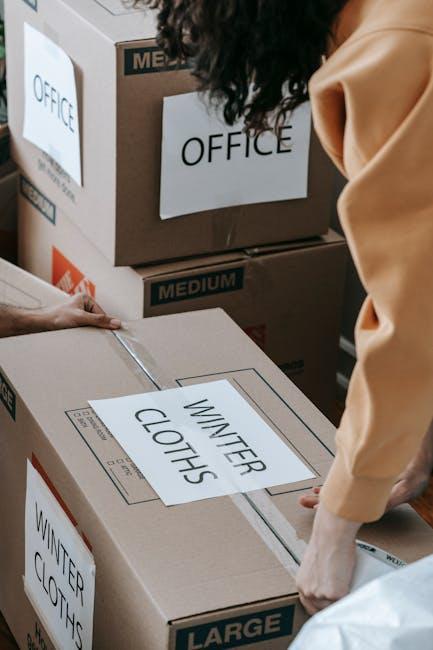
When you arrive at your new city apartment, the last thing you want to do is dig through countless boxes trying to find your essentials. Taking a moment to clearly mark each container with its contents and intended room can save hours of frustration. Use bold, legible labels on multiple sides of the boxes and include a brief list of the most important items inside for quick reference. Consider color-coding labels by room, such as blue for the kitchen and red for the bedroom, to make the sorting process even faster.
To help streamline unpacking, here’s a simple guide on how to label your boxes effectively:
- Room Name: Identify the destination room clearly.
- Contents Overview: List key items without overcrowding the label.
- Priority Level: Use terms like “Open First” for must-haves.
- Fragility Indicator: Mark if the box contains fragile goods.
| Label Type | Example | Benefit |
|---|---|---|
| Room Name | Living Room | Organizes boxes by destination |
| Priority Level | Open First | Speeds access to essentials |
| Fragility | Fragile – Handle With Care | Reduces risk of damage |
| Contents | Books, Notebooks | Quick item identification |

Packing for Navigating Crowded Streets and Public Transport
When moving through packed urban streets or riding public transit, your packing choices can dramatically impact your comfort and efficiency. Opt for a lightweight backpack with multiple compartments to keep belongings organized and easily accessible. Prioritize essentials such as a reusable water bottle, compact umbrella, and a power bank to stay hydrated, dry, and connected throughout your journey. Wearing comfortable, breathable clothing and sturdy walking shoes is essential to stay agile and ready for the unexpected pace of city life.
Consider packing smart by using the table below as a quick guide to balance convenience with practicality in crowded environments:
| Item | Purpose | Tip |
|---|---|---|
| Crossbody bag | Easy access to valuables | Keep it close and secure |
| Foldable tote | Extra storage for sudden shopping finds | Lightweight & stashable |
| Noise-cancelling earbuds | Drown out city noise | Useful during long rides |
| Travel-size sanitizer | Keep hands clean | Essential for public transit |
Remember, strategic packing is your best tool for navigating the energetic chaos of city life without sacrificing ease and security.

Protecting Valuables and Fragile Items in Tight Spaces
When space is scarce, safeguarding your valuables and fragile belongings requires a blend of ingenuity and the right materials. Begin by wrapping each delicate item individually—bubble wrap, clothing, or even towels make excellent cushioning agents. Pack these items tightly within sturdy boxes to prevent movement but avoid overstuffing to reduce pressure that might cause breakage. Utilize small boxes for heavy items like books and denser valuables, while larger boxes should be reserved for lighter, cushioned items. Don’t forget to clearly label these boxes with “Fragile” tags, so handlers know to take extra care.
In tight spaces, consider these packing essentials:
- Layering: Alternate fragile items with layers of crumpled paper or soft fabric to absorb shocks.
- Vertical packing: Place heavier items at the bottom and lighter ones on top to maintain balance.
- Dividers: Use cardboard or foam dividers inside boxes to create compartments, reducing item-to-item contact.
- Fill gaps: Stuff empty spaces with peanuts or inflatable air cushions to keep items immobile.
| Item Type | Packing Tip | Recommended Material |
|---|---|---|
| Glassware | Wrap individually and separate with dividers | Bubble wrap, cardboard dividers |
| Jewelry | Store in small compartments within padded boxes | Soft cloth, small jewelry boxes |
| Artwork | Use protective paper and flat boxes | Glassine paper, sturdy flat boxes |
| Electronics | Secure cables and pack with cushioning | Anti-static wrap, foam inserts |
Q&A
Q&A:
Q1: What’s the first step to take when packing for a city move?
A1: Begin by decluttering. Cities often mean tighter spaces, so start sorting your belongings into what you’ll keep, donate, or toss. This not only lightens your load but helps you settle into your new place more efficiently.
Q2: How can I pack efficiently to navigate bustling city streets?
A2: Use smaller boxes and sturdy bags that you can carry easily on foot or in a compact vehicle. Label everything clearly and pack essentials separately to access them quickly amidst the hustle and bustle.
Q3: Are there any city-specific packing tips?
A3: Yes! Since parking and building access may be limited, pack items to minimize the number of trips. Also, consider using backpacks or rolling suitcases for carrying smaller but heavier items through crowded sidewalks or public transit.
Q4: What should I do about fragile items in a city move?
A4: Wrap fragile items carefully in bubble wrap or soft clothing. Use well-padded containers and pack them last in boxes that fit snugly in your vehicle or cart to avoid shifting during transport.
Q5: How far in advance should I start packing?
A5: Ideally, start packing non-essentials at least 4 weeks before the move. As moving day approaches, focus on daily-use items, leaving only immediate essentials for the last couple of days.
Q6: Any advice for packing electronics and valuables?
A6: Pack electronics in their original boxes if possible, or use cushioned containers. Keep valuables and important documents with you rather than in the moving truck to ensure their safety.
Q7: How can I keep organized during the hectic city moving process?
A7: Create a moving binder or digital folder with checklists, contacts, and important information. Color-code boxes by room or priority to simplify unpacking in your new urban abode.
Q8: What mindset helps when packing for a city move?
A8: Embrace flexibility and simplicity. City living often means adapting to smaller, more dynamic spaces. Pack with intention, and focus on what truly fits your new urban lifestyle.
—
This Q&A offers practical insights woven with creative suggestions to make your city move smooth and manageable.
To Conclude
Packing for a city move may feel like solving a complex puzzle, but with a clear plan and thoughtful approach, it transforms into a manageable—and even rewarding—task. From decluttering to prioritizing essentials and using smart packing techniques, each step brings you closer to a fresh start in the urban rhythm. As you seal those last boxes and take one final glance around your empty space, remember that packing is not just about moving items; it’s about making room for new adventures, stories, and experiences waiting just beyond the city skyline. So, embrace the change, and let your packed bags be the first chapter of your city living journey.