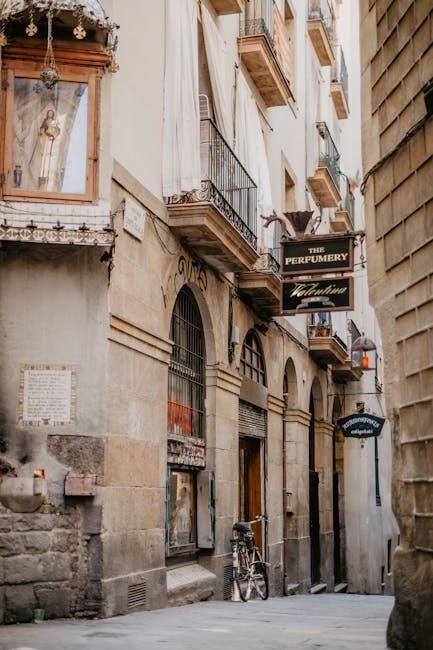
Navigating a city with narrow streets can be an intriguing adventure—where every turn feels intimate, and every alleyway whispers stories of the past. Yet, the charm of these compact urban thoroughfares often comes paired with challenges: tight corners, limited visibility, and bustling pedestrian traffic. In this article, we’ll explore practical strategies and thoughtful tips to help you move through these constrained spaces efficiently and safely, whether you’re driving, cycling, or simply strolling on foot. Embracing the unique rhythm of narrow streets not only enhances your journey but also deepens your connection to the vibrant life woven into the fabric of these cities.
Table of Contents
- Choosing the Right Vehicle for Narrow Urban Pathways
- Mastering the Art of Slow and Steady Navigation
- Leveraging Technology to Avoid Congested Tight Spots
- Communicating Effectively with Other Road Users
- Utilizing Alternative Routes and Hidden Passageways
- Safety Tips for Pedestrians and Drivers Alike
- Q&A
- To Conclude

Choosing the Right Vehicle for Narrow Urban Pathways
Navigating tight city lanes demands a vehicle that offers both agility and compactness without compromising on comfort. Opting for a smaller car, such as a hatchback or a micro SUV, can greatly enhance your ability to glide through congested streets and slim sidewalks. These vehicles not only provide better maneuverability but also make parking less of a headache in densely packed urban areas. Additionally, electric two-wheelers and scooters have surged in popularity, offering silent, zero-emission rides and effortless zigzagging through traffic jams.
Beyond the vehicle size, consider features that enhance urban navigation:
- Tight turning radius for easy sharp cornering.
- Compact design for squeezing into narrow parking spots.
- Advanced parking sensors and cameras to avoid scrapes in tight spots.
- High fuel efficiency or electric powertrains to minimize stops and decrease environmental impact.
| Vehicle Type | Best Suited For | Key Feature |
|---|---|---|
| Compact Hatchback | Tight alleys & narrow roads | Small footprint & agility |
| Electric Scooter | Short errands & heavy traffic | Silent, zero emissions |
| Micro SUV | Urban rough patches & occasional off-road | Enhanced visibility & compact sturdy body |
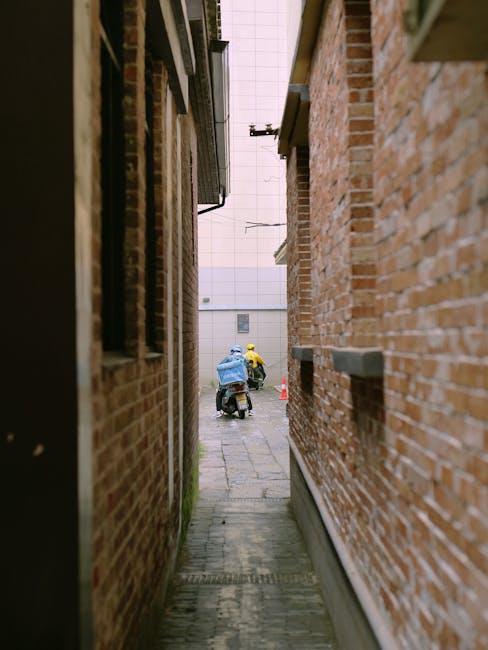
Mastering the Art of Slow and Steady Navigation
When maneuvering through the cramped corridors of a city center, patience becomes your best companion. The key is to embrace a deliberate pace rather than rushing, allowing you to react dynamically to unexpected obstacles such as spontaneous street vendors, tight alley intersections, or sudden pedestrian clusters. By adopting a mindset that favors observation over haste, you not only safeguard your safety but also gain a richer appreciation for the city’s vibrant life and architectural quirks tucked away in these narrow passages.
To excel in this environment, incorporate a few simple practices into your routine. Stay alert to every detail—small turns, uneven cobblestones, or changes in lighting can signal a need to adjust speed. Utilize these strategies for smooth progress:
- Use smaller, controlled steps to maintain balance
- Scan ahead for potential bottlenecks or hazards
- Maintain a relaxed grip on handles or supports if applicable
- Engage with locals discreetly to learn real-time conditions
With patience and mindfulness, the city transforms from a maze into a fascinating journey, encouraging a respectful coexistence between traveler and environment.
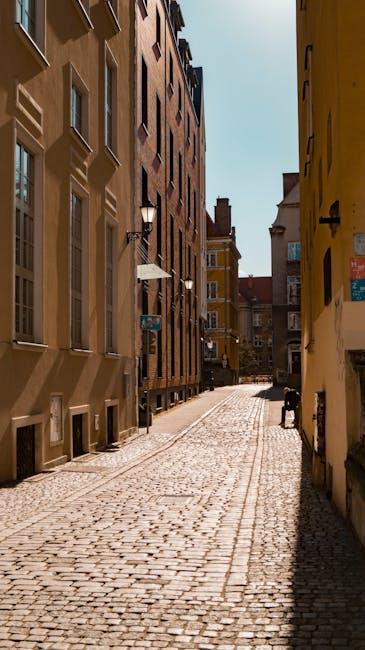
Leveraging Technology to Avoid Congested Tight Spots
Urban navigation in narrow streets can transform from a frustrating challenge into a seamless experience when integrating the latest tech tools. From real-time traffic apps to smart routing algorithms, technology offers precision in selecting the least congested paths. GPS devices enhanced with AI not only predict traffic build-ups but dynamically reroute you to avoid those classic bottlenecks around tight corners and narrow alleys, saving both time and fuel. It’s like having a personal guide constantly adjusting your journey to the rhythms of the city.
Beyond apps, consider the rise of compact electric scooters and foldable bikes paired with digital maps designed for micro-mobility. These innovations let you bypass traditional vehicle restrictions and squeeze through spaces that are otherwise impassable by larger vehicles. To get you started, here’s a quick comparison of technology-assisted options ideal for city maneuvering:
| Transport Mode | Tech Integration | Best For |
|---|---|---|
| Electric Scooter | GPS + Traffic Alerts | Quick alley shortcuts |
| Smartphone Apps | Dynamic Rerouting | Avoiding congestion zones |
| Foldable Bike | Integrated Route Planning | Multimodal transport |

Communicating Effectively with Other Road Users
When navigating the tight corridors of a city’s narrow streets, clear interaction with other road users is essential to avoid confusion and ensure smooth passage. Utilize hand signals and eye contact to communicate your intentions, whether you’re preparing to turn, stop, or yield. Remember, your body language can often act as a universal language in the absence of wider lanes or standard signaling infrastructure.
To facilitate respectful and efficient movement, always be prepared to:
- Give way to larger vehicles or those already committed to the narrow path.
- Use your horn sparingly, opting instead for brief and polite honks if necessary.
- Maintain a steady pace and avoid abrupt stops that may confuse other drivers or pedestrians.
- Respect pedestrian zones and be vigilant for sudden crossings, especially near cafes or shops.
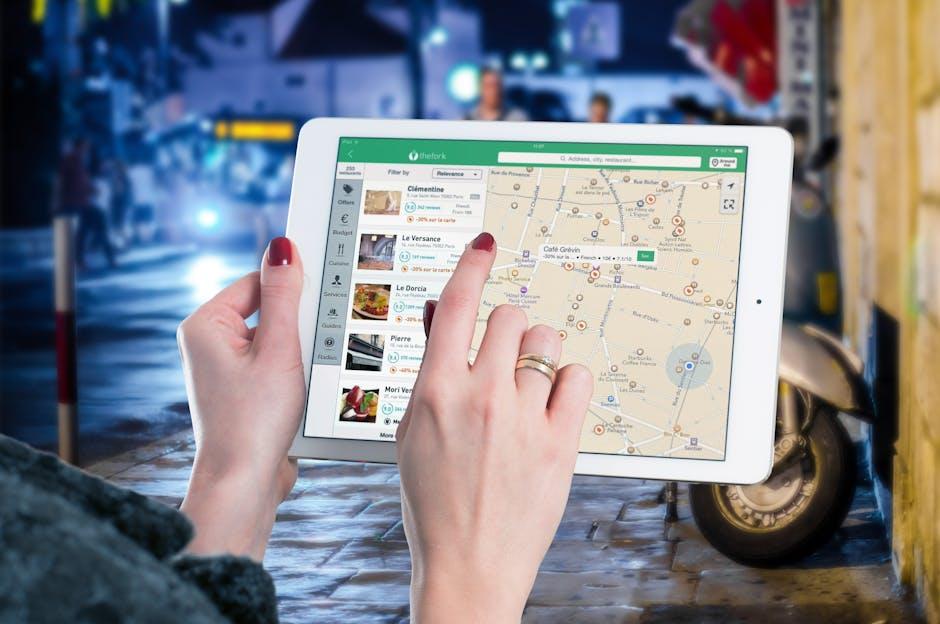
Utilizing Alternative Routes and Hidden Passageways
When navigating compact urban landscapes, thinking beyond the main roads can turn your journey into a swift and seamless experience. Secret alleyways, pedestrian tunnels, and less obvious pathways often offer quicker connections between popular spots. These hidden routes reduce your time spent in traffic and provide a more intimate glimpse into the city’s personality, often lined with local shops, street art, and quaint corners. Using these alternatives not only saves time but also spices up your daily travel with unexpected discoveries.
Maximize your travel efficiency by exploring:
- Shortcuts through residential areas that connect major streets
- Underpasses and pedestrian bridges to bypass busy intersections
- Shared pathways and green corridors ideal for cyclists and walkers
- Historical passageways often unmarked but accessible with a bit of local knowledge
| Type of Route | Benefits | Best for |
|---|---|---|
| Hidden Alleys | Shorter distances, local atmosphere | Walkers & photographers |
| Pedestrian Tunnels | Cross busy streets safely & quickly | Commuters & families |
| Green Corridors | Relaxed, scenic surroundings | Cyclists & joggers |
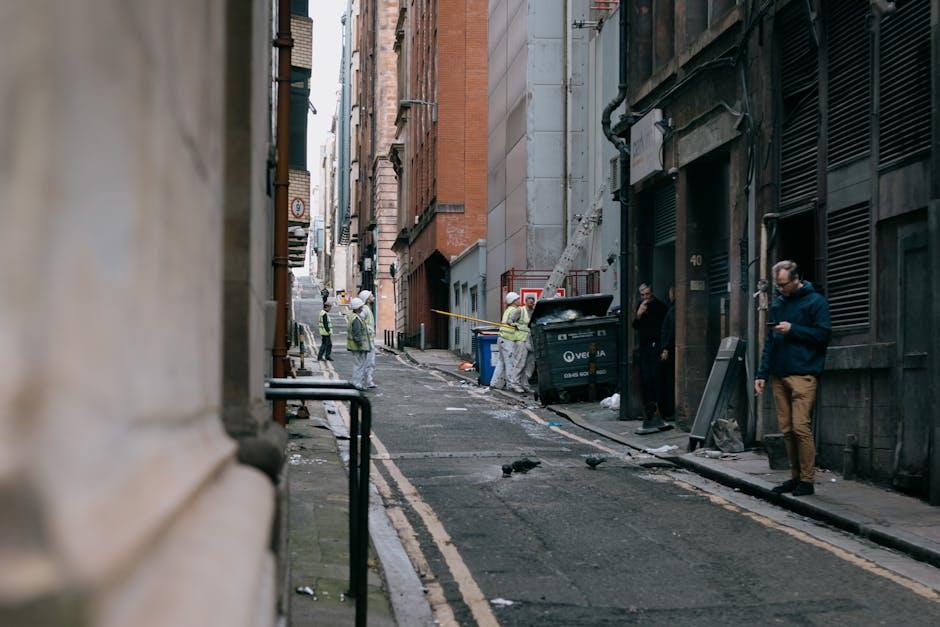
Safety Tips for Pedestrians and Drivers Alike
Whether on foot or behind the wheel, awareness is your greatest ally on narrow city streets. Pedestrians should always make eye contact with approaching drivers before crossing, ensuring their intentions are clearly understood. Use sidewalks where available, and if forced to walk along the road, keep to the edge facing traffic. For drivers, patience is key—slow down and anticipate unexpected moves by walkers or cyclists squeezed into tight spaces. Maintain a safe distance, and be ready to stop at crosswalks or intersections even if you don’t see someone immediately.
Helpful habits for navigating narrow streets safely include:
- Keeping headlights on during low visibility to alert pedestrians.
- Using mirrors and side cameras frequently to monitor blind spots.
- Avoiding distractions like mobile phones or loud music, so you stay tuned to your surroundings.
- Respecting speed limits, especially where sidewalks or pedestrian zones are constricted.
| Role | Top Priority |
|---|---|
| Pedestrians | Visibility & Attention |
| Drivers | Patience & Distance |
Q&A
Q&A: Navigating Life in a City with Narrow Streets
Q1: Why do some cities have narrow streets, and how does that affect movement?
A1: Many cities with narrow streets were built centuries ago when urban design prioritized walking and horse-drawn carriages, not modern vehicles. These tight pathways create charm and intimacy but pose challenges for larger vehicles and high traffic volumes. Moving through such areas requires patience, skill, and often alternative transportation methods.
Q2: What are the best modes of transport in cities with narrow streets?
A2: Walking and cycling are often the most practical and enjoyable ways to explore narrow-streeted cities. Scooters and small motorbikes can also navigate tight spaces efficiently. In some cases, compact electric vehicles or specially designed mini-cars are viable. Public transit like minibuses adapted for narrow roads may also operate.
Q3: How can drivers safely maneuver through narrow urban lanes?
A3: Drivers should proceed slowly and attentively, always prepared to yield to oncoming vehicles or pedestrians. Using a honk gently before tight blind corners can alert others. It’s essential to know the local traffic rules, as some narrow streets operate one-way or have restricted vehicle access during peak times. Employing small, nimble vehicles rather than large cars simplifies navigation.
Q4: Are there technology tools that help with navigating narrow street networks?
A4: Yes, modern GPS apps often offer routes optimized for restricted or narrow streets, avoiding unsuitable roads for larger vehicles. Some cities provide specialized mapping or augmented reality guides to help pedestrians and drivers alike. Parking apps can also assist in finding tiny or hidden parking spots common in older urban areas.
Q5: How do pedestrians safely share narrow streets with vehicles?
A5: Narrow streets often blur the line between sidewalks and roadways, so pedestrians should stay alert and use designated crossing spots. Wearing visible clothing at night enhances safety. In some cities, shared spaces require both drivers and walkers to move cautiously and respectfully, fostering a cooperative environment.
Q6: What cultural benefits come with navigating narrow streets?
A6: Narrow streets often lead to serendipitous discoveries—a tucked-away café, a beautiful courtyard, or local artisans’ shops. Moving at a slower pace through intimate spaces encourages engagement with local life and fosters a deeper connection to the city’s history and character.
Q7: Can urban planning improve movement in cities with narrow streets?
A7: Absolutely. Cities can implement pedestrian-only zones, timed vehicle access, clear signage, and improved lighting to enhance safety and flow. Encouraging mixed-use development nearby reduces the need for long commutes. Some places have introduced innovative micro-mobility hubs to integrate modern transport with historic street layouts.
Navigating narrow streets might require extra care and creativity, but it also offers a unique window into urban life’s rich tapestry—where past and present intertwine along every charming alley.
To Conclude
Navigating a city woven with narrow streets may seem daunting at first, but with a little patience and adaptability, it transforms into a uniquely rewarding experience. Each tight alleyway and winding lane tells a story—inviting you to slow down, observe, and embrace the charm hidden in the details. Whether on foot, bike, or by car, mastering these compact corridors is less about speed and more about connection—to the place, its people, and its pace of life. So next time you find yourself threading through a city’s narrow veins, remember: it’s not just about moving through space, but about moving with the city itself.