Moving in a bustling city can feel like navigating a maze where every turn holds a new challenge. Between weaving through crowded streets, coordinating with busy schedules, and finding the right parking spot for the moving truck, the process requires more than just packing boxes—it demands a strategic approach. Whether you’re a seasoned urban dweller or a newcomer to city life, mastering the art of moving amid the city’s constant hustle can transform a daunting task into a smooth, even enjoyable experience. In this article, we’ll explore practical tips designed to help you move efficiently and with less stress in the heart of the city’s vibrant chaos.
Table of Contents
- Planning Your Move Around City Traffic Patterns
- Choosing the Best Time to Move to Avoid Urban Congestion
- Navigating Parking Restrictions and Securing Permits
- Utilizing Public Transportation and Alternative Moving Options
- Packing Strategies for Tight Living Spaces in the City
- Coordinating with Building Management for a Smooth Transition
- Q&A
- Wrapping Up

Planning Your Move Around City Traffic Patterns
Navigating through a busy city requires more than just a keen sense of direction; it demands a strategic approach to timing and route selection. Start by analyzing peak traffic hours and aim to schedule your move during off-peak times, such as mid-mornings or early afternoons on weekdays. Using real-time traffic apps and local transit updates can minimize unexpected delays and keep your moving day on track. Don’t forget to check if there are any city events or street closures that could impact your planned routes.
Creating an alternative route plan is equally important in case of sudden traffic snarls or accidents. Consider these essential tips to enhance your city moving experience:
- Scout parking options ahead of time to ensure easy loading and unloading.
- Coordinate with building managers if you need to reserve elevators or parking bays.
- Communicate with your movers about specific traffic challenges in your area.
- Use a compact vehicle if possible to navigate narrow or congested streets.
| Time | Traffic Conditions | Suggested Moving Activity |
|---|---|---|
| 6 AM – 9 AM | High traffic | Unloading and interior setup |
| 9 AM – 11 AM | Moderate traffic | Main transportation |
| 11 AM – 3 PM | Low traffic | Packing and loading |
| 3 PM – 7 PM | High traffic | Pause for breaks and snacks |

Choosing the Best Time to Move to Avoid Urban Congestion
Timing your move strategically can dramatically reduce stress and save precious hours on the road. Weekdays, especially during typical rush hours, can turn what should be a quick relocation into a grueling crawl through city traffic. Instead, aim for early mornings or late evenings on weekdays when the streets are less crowded. Alternatively, consider moving mid-week—a sweet spot when most people’s schedules are stable, public transport is less packed, and urban congestion hits a noticeable lull.
Keep these timing tips in mind to glide through city traffic:
- Avoid weekends—busy shopping and recreational activities spike congestion.
- Check local event calendars to steer clear of parades, festivals, or sports games.
- Use traffic apps for real-time updates and route optimization.
- Plan for seasonal shifts: weather and daylight hours also affect traffic flow.
| Day | Ideal Moving Time | Reason |
|---|---|---|
| Tuesday – Thursday | Early Morning (6-8 AM) | Lower commuter traffic and less roadwork |
| Wednesday | Late Evening (8-10 PM) | Quiet roads, fewer distractions |
| Monday & Friday | Avoid | High congestion due to rush hour peaks |
Navigating Parking Restrictions and Securing Permits
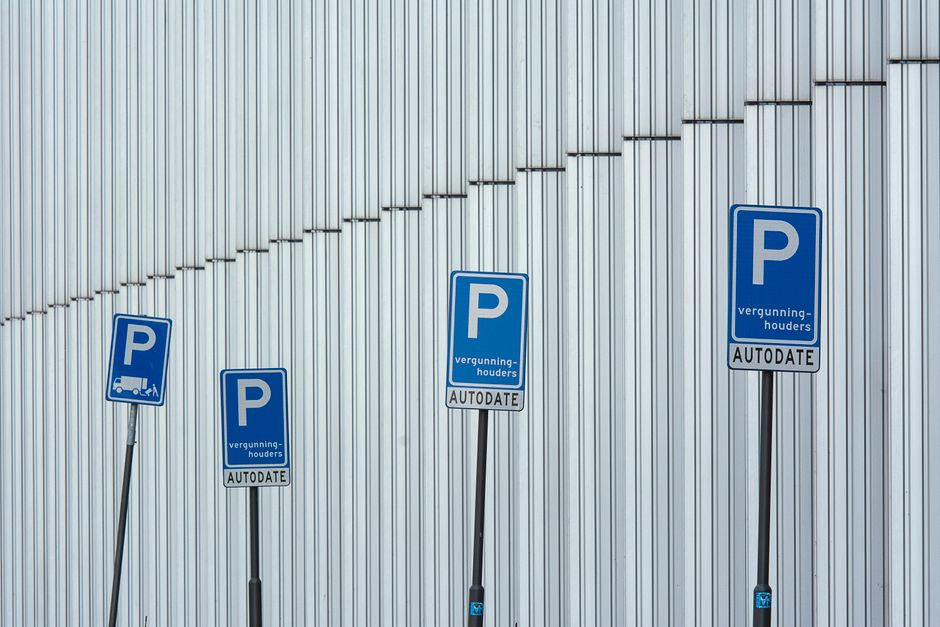
Before you start unloading your belongings, spend some time researching local parking laws and permit options. Many busy cities have restrictive curbside parking rules that can result in hefty fines or towing if overlooked. Visit your city’s transportation website or contact the local parking authority to identify no-parking zones, loading dock allowances, and temporary parking solutions tailored for movers. Securing a parking permit in advance often involves filling out a straightforward application, sometimes requiring a small fee, but this allows you to reserve a spot close to your new home, making the moving process significantly smoother.
Here’s a handy checklist to keep you organized when managing parking logistics:
- Confirm the need for a parking permit with your landlord or building management.
- Apply for a temporary moving permit well ahead of your moving date.
- Reserve a specific loading zone if available, to avoid last-minute scrambling.
- Inform neighbors and the local parking enforcement office about your moving schedule.
| Permit Type | Typical Processing Time | Cost | Validity |
|---|---|---|---|
| Temporary Moving Permit | 3-5 Business Days | $15-$30 | 1-3 Days |
| Loading Zone Reservation | 1 Week | $50+ | Time Slot Only |
| Resident Parking Permit | Up to 2 Weeks | $20-$50 Annually | 1 Year |

Utilizing Public Transportation and Alternative Moving Options
Opting for public transportation can be a game-changer when relocating within a bustling metropolis. Not only does it help sidestep the stress of traffic congestion, but it also offers a more eco-friendly, cost-effective alternative. From subways to buses, these options often have routes optimized for city access, allowing you to avoid parking woes and associated fees by simply hopping off at your destination. Consider timing your move during off-peak hours to maximize convenience and speed, especially if you plan to utilize transit systems combined with carrying personal belongings in backpacks or smaller bags.
For items too bulky for transit alone, explore alternative moving solutions like cargo bikes, electric scooters with cargo attachments, or even smaller rental vans designed specifically for urban use. These agile choices can weave through busy streets and narrow lanes where larger trucks falter. Below is a quick comparison table to help you decide which option suits your move best:
| Option | Best For | Cost | Environmental Impact |
|---|---|---|---|
| Public Transit | Small to medium items | Low | Low |
| Cargo Bike | Bulky but manageable loads | Moderate | Very Low |
| Electric Scooter (with cargo) | Lightweight boxes, personal items | Moderate | Low |
| Rental Van | Large whole-apartment moves | High | High |

Packing Strategies for Tight Living Spaces in the City
When every square foot counts, thinking strategically about what and how you pack is essential. Begin by decluttering ruthlessly: city spaces often mean reduced storage, so only keep items that serve a clear purpose or spark joy. Use space-saving tools like vacuum bags for clothing and compressible bins for less fragile items. Also, consider disassembling furniture to maximize room inside the moving truck and ease navigation through narrow hallways and staircases.
Organizing your belongings into clearly labeled, transparent containers helps streamline unpacking in compact homes. Utilize vertical space during packing by stacking boxes properly and placing heavier items at the bottom. Here’s a quick reference for smart packing choices:
| Item | Packing Tip | Space Saver Benefit |
|---|---|---|
| Books | Pack flat in small boxes | Prevents overpacking and eases heavy lifting |
| Clothing | Use vacuum seal bags | Reduces volume by up to 75% |
| Fragile Decor | Wrap in towels/blankets | Dual use of materials saves space & cushion |
- Label boxes by room and contents to avoid confusion in tight spaces.
- Keep essentials in a separate bag for immediate access.
- Utilize suitcase interiors for packing shoes or smaller items.

Coordinating with Building Management for a Smooth Transition
Establishing clear communication with building management well before your move-in date is essential to avoid last-minute complications. Reach out to discuss elevator reservations, parking arrangements for moving trucks, and any building-specific rules that could impact your moving day. Keeping a detailed checklist of these aspects can help you stay organized and informed throughout the process.
Many buildings have unique protocols designed to ensure safety and convenience during moves. Here’s a quick overview of common considerations and how to handle them efficiently:
| Aspect | Action | Tip |
|---|---|---|
| Elevator Use | Reserve time slots | Schedule during off-peak hours to avoid delays |
| Loading Dock | Obtain permission | Confirm access times with management |
| Waste Disposal | Follow building guidelines | Use designated dumpsters to avoid fines |
| Noise Restrictions | Abide by quiet hours | Plan noisy activities accordingly |
Q&A
Q: What is the most important step to take before moving in a busy city?
A: Planning ahead is crucial. Research your new neighborhood thoroughly, schedule moving dates during off-peak hours if possible, and book your moving services well in advance to avoid last-minute stress.
Q: How can I navigate traffic and parking challenges on moving day?
A: Consider securing a temporary parking permit or reserving a spot for the moving truck. Arrive early to avoid rush hour congestion and explore alternative routes to bypass traffic hotspots.
Q: What packing tips work best for a city move?
A: Pack smart and light, as city apartments often have limited elevator or stair access. Use color-coded boxes and label items clearly to streamline unpacking in tight urban spaces.
Q: Should I hire professional movers or go DIY?
A: Both options have pros and cons. Professional movers are experienced with navigating narrow streets and congested areas, but DIY moving can save money. Assess your budget, time, and physical capacity before deciding.
Q: How can I make the moving process less disruptive to my neighbors?
A: Notify neighbors ahead of time about your move, stick to agreed-upon moving hours, and keep noise levels down. Clean up any packing debris promptly to maintain good relations in your new community.
Q: What role does timing play in a busy city move?
A: Timing can be your best friend. Moving during weekdays, midday, or outside of peak commuting hours can significantly ease traffic woes. Avoid weekends if possible, as streets and parking are often more crowded.
Q: What are some creative solutions for moving large furniture in cramped city spaces?
A: Measure doorways, elevators, and stairwells beforehand. Disassemble bulky furniture when possible, use protective padding to prevent damage, and enlist extra hands from friends or professionals for tricky maneuvers.
Q: How do I manage utilities and services when moving in the city?
A: Schedule utility shut-offs and start-ups with plenty of notice. Many city providers offer online portals for quick transfers. Confirm your internet, gas, and electricity services are active before your move-in day to avoid downtime.
Q: What budget tips can help reduce moving costs in an expensive city?
A: Declutter before packing — less stuff means lower costs. Compare quotes from multiple movers, opt for off-peak moving dates, and leverage local community groups for affordable help or recommendations.
Q: How can I settle into my new busy city neighborhood smoothly?
A: Take time to explore nearby amenities, introduce yourself to neighbors, and use public transport to acquaint yourself with the area. Embrace the city’s rhythm and let curiosity guide your new urban adventure.
Wrapping Up
Navigating a move in the hustle and bustle of a busy city can feel like solving a vibrant urban puzzle—chaotic yet full of possibility. With the right blend of preparation, patience, and a touch of city savvy, you can turn the challenges of moving into a smooth and even enjoyable journey. Embrace the rhythm of the city, plan thoughtfully, and soon enough, you’ll find yourself settled into your new urban home, ready to make the city’s energy your own. After all, every great adventure begins with a single step—sometimes, it’s just a well-planned move.
