Relocating to a new city is an adventure in itself, but when you’re moving with children, the experience takes on an entirely different dimension. It’s not just about packing boxes or finding the right neighborhood—it’s about creating a fresh, safe space where your family can grow and thrive. From choosing schools to discovering parks and kid-friendly activities, moving with kids requires thoughtful planning and a gentle touch. In this article, we’ll explore practical strategies and insights to help families navigate the exciting yet complex journey of moving to a city with children, turning what might feel like a daunting transition into a positive new chapter.
Table of Contents
- Preparing Your Family for the Big Transition
- Choosing the Right Neighborhood for Family Life
- Navigating School Options and Educational Needs
- Finding Kid-Friendly Activities and Community Resources
- Managing the Emotional Impact on Children
- Setting Up a Comfortable and Safe New Home
- Q&A
- To Wrap It Up

Preparing Your Family for the Big Transition
Moving to a vibrant city with your children calls for thoughtful preparation that goes beyond just packing boxes. It’s essential to involve the whole family in the process to ease the anxiety of change. Start by discussing the move openly, highlighting the exciting opportunities in the city – from parks and museums to new schools and cultural experiences. Create a visual countdown calendar with your kids to build anticipation and make the transition feel like an adventure rather than a disruption.
Organizing family meetings where everyone can express their concerns and hopes ensures that each member feels heard and supported. Consider engaging your children in a few key tasks, such as researching local playgrounds or favorite eateries in the new neighborhood. To help you keep track, use this simple checklist designed to prepare your family emotionally and practically:
- Explore: Virtual tours or neighborhood walks
- Connect: Reach out to local parenting groups or schools
- Personalize: Let kids pack a special box of cherished items
- Celebrate: Plan a small farewell party to acknowledge memories
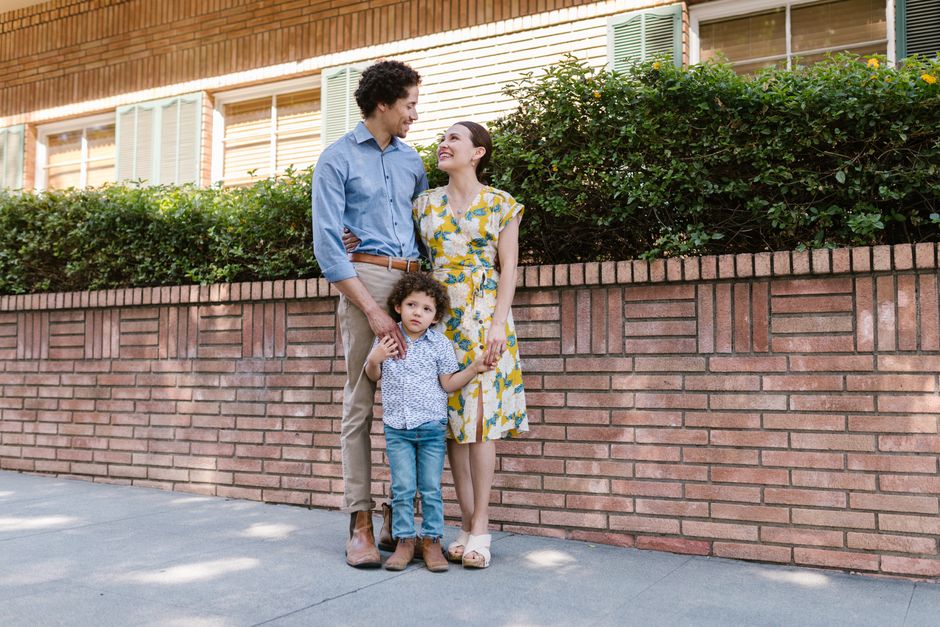
Choosing the Right Neighborhood for Family Life
When relocating with children, the environment plays a crucial role in their well-being and development. Prioritize neighborhoods that offer a blend of safety, accessibility, and family-friendly amenities. Look for areas where parks, playgrounds, and community centers are abundant — spaces where your kids can freely explore and socialize. Proximity to reputable schools and healthcare facilities should also be a top consideration, ensuring that your family has easy access to education and medical care without long daily commutes.
Moreover, the community’s vibe can dramatically influence your family’s adjustment. Seek neighborhoods known for their welcoming atmosphere and active community involvement. Talk to locals or explore online groups to gauge the social culture and opportunities for family activities. Here are some key factors to consider:
- Safety Records: Research crime rates and neighborhood watch programs.
- School Quality: Check local school ratings and extracurricular options.
- Green Spaces: Availability of parks, trails, and recreational facilities.
- Community Resources: Libraries, museums, and family centers.
- Transport Links: Ease of getting around without a car.
| Neighborhood Trait | Family Benefit |
|---|---|
| Walkability | Encourages outdoor play and reduces dependency on cars. |
| Low Traffic | Enhances child safety during daily activities. |
| Diverse Community | Promotes inclusivity and cultural learning. |

Navigating School Options and Educational Needs
When relocating with children, understanding the educational landscape is crucial to ensure a smooth transition. Begin by researching a variety of school types available in the city, such as public, private, charter, and magnet schools. Each option brings unique benefits, from specialized programs in arts or sciences to diverse extracurricular opportunities. Don’t forget to explore essential factors like school ratings, class sizes, and the availability of special education programs tailored to your child’s needs.
Consider organizing visits or virtual tours to get a real feel for potential schools. Engage with school administrators and local parent groups to ask about curriculum rigor, after-school activities, and support systems. Key points to evaluate include:
- Commute times and safety of the routes
- Availability of language support or bilingual education
- Extracurricular programs aligned with your child’s interests
- School culture and inclusiveness
| School Type | Focus Areas | Typical Class Size |
|---|---|---|
| Public | General education, community involvement | 20-30 |
| Private | Specialized curriculum, smaller classes | 10-20 |
| Charter | Innovative teaching methods, flexible programs | 15-25 |
| Magnet | STEM, arts, language immersion | 15-25 |

Finding Kid-Friendly Activities and Community Resources
Exploring local options that cater to your children’s interests is essential for creating a smooth transition into city life. Focus on discovering parks with playgrounds, children’s museums, and libraries that offer storytime sessions. These spaces not only encourage learning and play but also provide opportunities for your kids to make new friends. Don’t overlook community centers, which often have classes and events designed specifically for young ones, ranging from dance lessons to art workshops.
Connecting with other parents and families can also unlock a wealth of valuable resources and support. Here are some practical ways to tap into the community:
- Join local parenting groups on social media platforms for event updates and advice.
- Attend neighborhood meetups or family-friendly festivals to build connections.
- Subscribe to community newsletters for notices on kid-centric programs and volunteer opportunities.
| Resource | What It Offers | Ideal For |
|---|---|---|
| City Library | Storytimes, Kids’ Clubs, Educational Programs | Toddlers – Preteens |
| Community Sports Leagues | Team Sports, Seasonal Camps, Tryouts | Ages 5 and up |
| Children’s Museums | Interactive Exhibits, Workshops, Science Labs | All Ages |

Managing the Emotional Impact on Children
Relocating to a new city can stir a whirlwind of emotions for children, from excitement to anxiety. It is vital to create a supportive environment where kids feel safe expressing their feelings. Encourage open conversations about their fears and hopes, and validate their emotions to help them process the change. Introducing familiar routines from the previous home can provide a sense of stability amidst the chaos of moving.
Engage your children in the transition by making them part of the process. Share details about their new neighborhood, schools, and places to visit, building anticipation and curiosity. Here are some practical ways to ease the emotional journey:
- Explore together: Visit local parks, libraries, and community centers to foster connection.
- Create a “favorites” box: Pack their cherished toys and books last for comfort.
- Connect with peers: Arrange playdates or join local clubs to encourage new friendships.

Setting Up a Comfortable and Safe New Home
Creating a welcoming space that feels like home is crucial for children’s emotional wellbeing after a move. Start by designating a special area for your kids where their favorite toys, books, and comfort items are easily accessible. This familiar nook will become a sanctuary amidst the bustle of a new environment. Incorporate soft lighting and cozy furniture to promote relaxation and a sense of security. Childproofing essentials like outlet covers, cabinet locks, and corner guards will ensure safety while children explore their new surroundings with confidence.
Organizing daily life with your kids becomes smoother when practical routines and spaces are thoughtfully arranged. Consider setting up a colorful and interactive command center with a weekly calendar, chore charts, and reminders to help the whole family stay connected and prepared. Keep important numbers, like pediatrician contacts and emergency services, visible and accessible. Below is a simple guide to help prioritize elements when settling in:
| Priority | Focus Area | Tip |
|---|---|---|
| 1 | Safety | Secure hazardous areas immediately |
| 2 | Comfort | Personalize kids’ spaces with familiar items |
| 3 | Organization | Use visual aids to enhance routines |
| 4 | Accessibility | Keep essentials within easy reach |
Q&A
Q: What is the first step to take when planning a move to a new city with kids?
A: Start by involving your children in the process early on. Talk to them about the move, listen to their feelings, and explore the new city together through maps, photos, or virtual tours. This helps ease anxiety and builds excitement.
Q: How can I choose the right neighborhood for my family?
A: Prioritize safe neighborhoods with good schools, parks, and kid-friendly amenities. Visit potential areas multiple times at different hours to get a real sense of the environment, and connect with local parents or online community groups for insider insights.
Q: What should I consider about schools and education before moving?
A: Research public and private school options, admission requirements, and extracurricular programs. If possible, schedule school visits and meet with teachers or administrators to understand how your child will fit in and thrive.
Q: How can I make the moving day less stressful for my children?
A: Prepare a special “moving day kit” for each child with favorite toys, snacks, and comfort items. Keep a consistent routine as much as possible, and explain the day’s plans in simple terms to reduce uncertainty.
Q: What strategies help kids adjust to a new environment after the move?
A: Encourage them to participate in community events, join clubs or sports teams, and make new friends. Maintaining familiar routines while gradually introducing new experiences strikes a good balance for adaptation.
Q: How can parents manage their own stress during a family move?
A: Plan meticulously but stay flexible, lean on support networks, and set aside time for self-care. Remember that your calm and positive attitude will help your kids feel more secure.
Q: Are there ways to maintain a sense of continuity for children during relocation?
A: Yes! Preserve family traditions, keep in touch with old friends through video calls and visits, and create new routines that honor your family’s unique culture and values within the new city.
Q: What role does communication play throughout the moving process?
A: Open, honest communication creates trust and helps everyone express concerns or excitement. Regular family meetings can keep everyone informed and involved, turning the move into a team adventure rather than a disruption.
To Wrap It Up
Moving to a new city with children is undeniably a big adventure filled with challenges and exciting possibilities. By planning thoughtfully, embracing flexibility, and keeping your family’s needs at the heart of every decision, you can transform the unknown into a new place to call home. Remember, every city has its own rhythm—one that your family will soon learn to dance to, creating memories that last a lifetime. So take a deep breath, gather your little ones close, and step confidently into this new chapter together. The city awaits.
