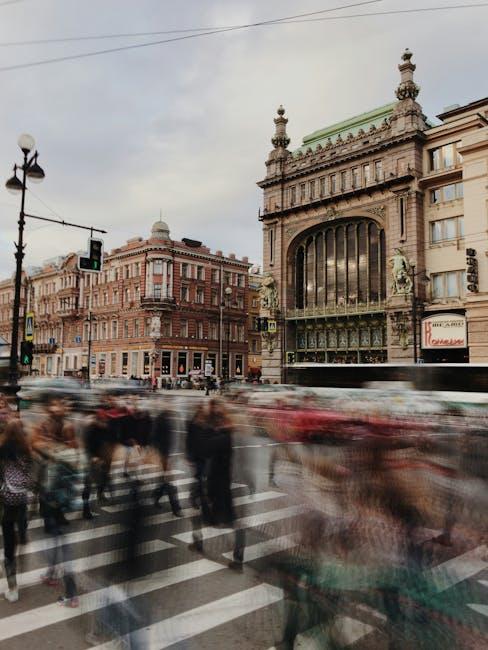
Navigating the bustling streets of a city during rush hour can feel like stepping into a living maze — a choreography of honking horns, weaving pedestrians, and packed transit cars all vying for space. Whether you’re a seasoned urbanite or a newcomer facing the daily tide of commuters, mastering the art of moving efficiently through this chaotic dance can transform stress into strategy. In this article, we’ll explore practical tips and clever tactics to help you glide smoothly through rush hour, turning what often feels like a battle against the clock into a journey of calm and control.
Choosing the optimal mode of transport during rush hour requires a blend of strategy and flexibility. While private cars offer comfort, they often get stuck in heavy traffic, making bicycles or electric scooters a nimble alternative for short distances. Public transit can be a lifesaver if timed right; consider avoiding peak boarding times by catching earlier or slightly later buses and trains. Walking or carpooling are also clever choices, especially in congested downtown areas where parking is scarce and expensive. Each method comes with its trade-offs, so tailoring your choice to the city’s traffic patterns and your personal needs is essential.
Leveraging real-time technology can transform your commute into a smoother experience. Apps providing up-to-the-minute traffic data let you dodge bottlenecks and reroute dynamically. Smart route planning isn’t just about the fast lane but also about alternative pathways and quiet side streets that GPS sometimes overlooks. When using public transit, health and safety should remain top priorities—always stay alert, keep your belongings secure, and respect social distancing guidelines where applicable. Maintaining a calm mindset during the rush hour chaos helps you stay safe and focused, ultimately making your journey less stressful and more predictable.
- Apps to Try: Waze, Citymapper, Google Maps
- Best Timing Tips: Commute 15 minutes before or after peak time
- Transit Safety: Wear masks, sanitize hands, and avoid crowded cars
| Mode | Advantages | Best Use |
|---|---|---|
| Bicycle | Fast, eco-friendly, avoids traffic jams | Short to medium distances in urban cores |
| Public Transit | Cost-effective, avoids parking hassles | Sustained commutes during semi-peak hours |
| Carpooling | Splits cost, reduces number of vehicles | Suburban to city center commutes with colleagues |
Q&A
Q&A: How to Move During Rush Hour in the City
Q1: Why is moving during rush hour considered such a challenge?
A1: Rush hour is when city streets and transit systems are at their fullest capacity. Commuters flock to and from work, creating dense traffic, crowded buses, and packed subways. The sheer volume of people and vehicles can make movement slow, stressful, and unpredictable.
Q2: Is it better to avoid rush hour altogether when moving in the city?
A2: Ideally, yes. Moving heavy items or navigating with large groups is smoother outside peak times. But if timing can’t be changed, mastering rush hour tactics transforms frustration into fluidity.
Q3: What’s the first step to navigate rush hour efficiently?
A3: Plan ahead! Map your route like a strategist. Use real-time apps to check traffic and transit congestion. Knowing which streets or lines are gridlocked helps you pivot to less crowded alternatives.
Q4: How can public transportation be used effectively during rush hour?
A4: Public transit might seem intimidating when packed, but it often beats driving. Opt for off-peak carriages within rush hour, choose routes with express trains or buses, and stay aware of alternative lines in case of delays.
Q5: Does walking or biking have an advantage during rush hour?
A5: Absolutely! In dense urban areas, moving by foot or bike often does battle with gridlock and triumphs. A brisk walk or pedal past cars stuck bumper-to-bumper can save both time and sanity.
Q6: Any tips for drivers brave enough to face rush hour traffic?
A6: Patience is your co-pilot. Use navigation tools that adapt to live conditions, stay calm during stop-and-go, and focus on smooth acceleration to avoid sudden braking. Keep a cool head to make smart decisions, like taking side streets when highways stall.
Q7: How important is timing within the rush hour window?
A7: Very! Rush hour has peaks and troughs. The very start and very end of the window can be slightly less crowded. Leaving 15-20 minutes earlier or later can mean the difference between crawling and cruising.
Q8: Can technology help ease rush hour movement?
A8: Definitely. Beyond navigation apps, rideshare options with carpool lanes, bike-sharing programs, and even electric scooters give more flexibility. Real-time alerts and crowd-sourced traffic updates keep you in the know.
Q9: How does mindset affect your rush hour experience?
A9: A calm and adaptable mindset transforms rush hour from a battlefield into a manageable obstacle. Expect delays, embrace unpredictability, and view it as a chance to listen to a podcast or practice mindfulness.
Q10: In summary, what’s the secret to moving successfully during city rush hour?
A10: Preparation, flexibility, and patience are your three essentials. Plan smart routes, choose the right mode of transport, and keep your cool. With these tools, rush hour becomes a rhythm you can dance to rather than a storm to endure.
To Wrap It Up
Navigating the city’s rush hour may feel like a relentless dance with time and traffic, but with a thoughtful approach and a bit of patience, it becomes less of a battle and more of a rhythm. Whether you choose to weave through crowds, hop on a bike, or time your journey just right, the key lies in staying adaptable and calm. Remember, every commuter shares this bustling pulse—so take a breath, plan ahead, and let the city’s vibrant energy carry you forward, one smart move at a time.