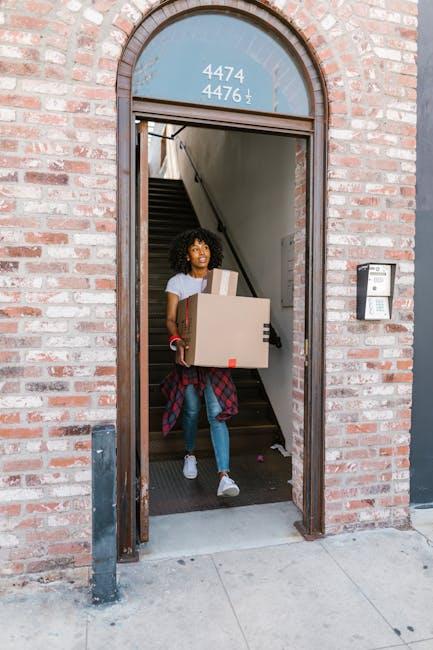
Moving to the city is more than just a change of address—it’s a leap into a vibrant world of opportunity, diversity, and constant motion. Whether you’re chasing a new career, seeking a fresh start, or simply drawn to the urban rhythm, the transition can be both exhilarating and daunting. The city’s energy offers endless possibilities, but it also demands preparation, adaptability, and thoughtful planning. In this article, we’ll explore the essential steps and considerations to help you navigate your move smoothly, ensuring that your urban adventure begins on the right foot.
Table of Contents
- Understanding the Urban Landscape and Lifestyle
- Finding the Right Neighborhood for Your Needs
- Budgeting for City Living Expenses
- Navigating Public Transportation and Commuting Tips
- Setting Up Essential Services and Utilities
- Building a Social Network in a New City
- Q&A
- Insights and Conclusions

Understanding the Urban Landscape and Lifestyle
The city breathes a unique rhythm that intertwines daily hustle with vibrant cultural beats. To thrive here, it’s essential to embrace a lifestyle marked by adaptability and openness. Urban living often means navigating crowded public transport, diverse social scenes, and fast-paced environments. Understanding these dynamics helps you integrate smoothly and make the most of your urban experience. From choosing neighborhoods that suit your vibe to mastering time-saving hacks, the city offers endless opportunities for those ready to dive in.
Essential considerations include:
- Transportation: Become familiar with metro maps, bike-sharing programs, and ride-sharing apps.
- Housing: Apartment sizes may be smaller but often come with perks like proximity to work or entertainment.
- Social Life: Urban centers host an array of events, cafes, and clubs that cater to various tastes and interests.
- Work-Life Balance: Learn to carve out personal time amidst a busy city schedule to maintain well-being.
| Aspect | Urban Characteristic | Tip |
|---|---|---|
| Noise | High, constant city sounds | Invest in noise-cancelling headphones |
| Pace | Fast and always changing | Plan your day with flexible buffers |
| Diversity | Rich cultural mosaic | Explore local festivals and neighborhoods |

Finding the Right Neighborhood for Your Needs
Choosing the perfect spot to call home goes beyond just finding a place with a roof over your head. Consider factors like safety, accessibility, and lifestyle compatibility to ensure your new environment aligns with your daily rhythm. Urban neighborhoods can vary drastically in vibe; some pulse with nightlife and dining options, while others offer serene parks and family-friendly amenities. Make a list of what matters most to you—whether it’s proximity to work, schools, or public transportation—and weigh these priorities carefully.
Here’s a quick checklist to guide your neighborhood hunt:
- Commute Times: Evaluate how long it takes to get to work, school, or essential services.
- Local Amenities: Check for grocery stores, gyms, healthcare, and entertainment venues nearby.
- Community Vibe: Visit neighborhoods at different times to feel the atmosphere and friendliness of locals.
- Safety Statistics: Research crime rates and neighborhood watch programs.
| Neighborhood | Average Rent | Walkability Score | Public Transport Access |
|---|---|---|---|
| Greenwood | $1,200/month | 85 | Excellent |
| Harborview | $1,600/month | 70 | Good |
| Midtown | $1,400/month | 90 | Excellent |
| Oakwood | $1,000/month | 65 | Moderate |

Budgeting for City Living Expenses
When relocating to an urban environment, careful financial planning becomes essential to balance the often high cost of city life. Start by mapping out your fixed expenses, like rent and utilities, which typically consume a significant portion of your budget. Don’t forget to factor in hidden costs such as parking fees, transit passes, and increased grocery prices. Creating a flexible budget that anticipates occasional splurges or unexpected expenses helps you maintain control without feeling restricted.
To get a clearer picture, consider breaking down your monthly expenses into categories such as:
- Housing: Rent, renters’ insurance, utilities
- Transportation: Public transit, fuel, ride-shares
- Food: Groceries, dining out
- Entertainment & Leisure: Events, memberships, subscriptions
- Miscellaneous: Healthcare, personal care, emergencies
| Expense Category | Average Monthly Cost |
|---|---|
| Rent | $1,200 – $2,000 |
| Utilities | $150 – $250 |
| Transportation | $100 – $300 |
| Groceries | $300 – $500 |
| Entertainment | $100 – $200 |

Navigating Public Transportation and Commuting Tips
Mastering the art of city commuting can transform your daily routine from stressful to seamless. Start by familiarizing yourself with the local transit map and apps, as they provide real-time updates that keep you ahead of delays or route changes. Consider investing in a prepaid transit card or monthly pass to save time and money. When choosing your commute method, balance speed with comfort—sometimes a slightly longer bus ride during off-peak hours can be more relaxing than a cramped subway. Also, always have a backup plan; knowing alternative routes ensures you won’t be stranded in case of unexpected disruptions.
To simplify your daily transit experience, keep these essentials in mind:
- Early planning: Check schedules ahead of time, especially on weekends or holidays.
- Comfort gear: Wear comfortable shoes and carry a lightweight backpack with water and snacks.
- Safety first: Stay alert, keep valuables secure, and choose well-lit stops if traveling late.
- Community resources: Join local commuting forums or social media groups to share tips and updates.
| Commute Option | Average Duration | Cost (Monthly) |
|---|---|---|
| Subway | 30-45 minutes | $120 |
| Bus | 40-60 minutes | $90 |
| Biking | 20-35 minutes | Free |
| Rideshare | 25-50 minutes | $200 |

Setting Up Essential Services and Utilities
Securing your essential services early on can significantly ease your transition into city life. Begin by contacting local providers for utilities such as electricity, water, gas, and internet. Each city has different regulations and setup times, so initiating these connections before moving day ensures you won’t be left in the dark—or without Wi-Fi. Don’t forget to update your address with postal services and subscribe to waste collection schedules to maintain a clean living environment. Keeping a checklist of all services and their contact details can help you stay organized and avoid last-minute headaches.
When choosing service providers, consider the following factors to tailor your needs:
- Speed and reliability for internet and phone plans, especially if you work remotely.
- Energy efficiency options that could save on monthly bills and support sustainability.
- Customer support availability, vital in case you need quick assistance or troubleshooting.
- Package deals that combine utilities for discounts or easier billing.
| Service | Average Setup Time | Tips |
|---|---|---|
| Electricity | 1-3 business days | Schedule a meter reading on move-in day |
| Internet | 3-7 business days | Test connection speed before signing up |
| Water & Gas | 2-4 business days | Check for any installation fees |
| Waste Collection | Varies by neighborhood | Confirm weekly pickup days |

Building a Social Network in a New City
Stepping into a new city means stepping into a web of potential friendships and connections waiting to be made. To weave yourself seamlessly into this social fabric, start by exploring local events that align with your interests—be it art workshops, community yoga, or book clubs. These gatherings are fertile grounds for meeting like-minded people in relaxed environments. Additionally, leveraging technology through apps designed to bring people together for casual meetups can break the initial ice and create opportunities that might otherwise go unnoticed.
Here are some proactive ways to cultivate your new social network:
- Attend neighborhood meetups and mixers regularly.
- Volunteer for causes that resonate with you to meet passionate locals.
- Join hobby groups or sports leagues that encourage teamwork.
- Use social media platforms to discover hidden gems and community gatherings.
- Reach out to colleagues and neighbors for coffee to establish personal connections.
| Method | Benefits | Time Commitment |
|---|---|---|
| Local Workshops | Skill-building and socializing | 1-2 hours per session |
| Volunteering | Community impact and friendship | Flexible, varies |
| Sports Leagues | Team bonding and fitness | 2-3 hours weekly |
Q&A
Q&A: Moving to the City – What You Need to Prepare
Q1: Why should I consider preparing before moving to the city?
A1: Moving to the city often means adapting to a faster pace, denser living conditions, and different social dynamics. Proper preparation helps ease the transition, reduce stress, and ensures you can enjoy what urban life has to offer without unnecessary surprises.
Q2: What are the first steps to take before moving?
A2: Start by researching neighborhoods to find one that fits your lifestyle and budget. Secure housing ahead of time, and understand the commute options. It’s also wise to budget for initial expenses like deposits, utilities setup, and essentials.
Q3: How important is budgeting for a city move?
A3: Very important. Urban living often comes with higher costs—rent, groceries, transportation. Creating a clear budget helps you avoid financial strain and plan for both expected and unexpected expenses.
Q4: Should I downsize my belongings?
A4: Typically, yes. City apartments tend to have less space than suburban or rural homes. Prioritize essentials, and consider selling or donating items you won’t need. This makes moving easier and your new space more livable.
Q5: How can I prepare for the social changes that come with city life?
A5: The city offers diverse social opportunities, but it can also feel isolating. Joining community groups, attending local events, or using apps to meet new people can help you build connections and find your urban tribe.
Q6: What practical skills or knowledge should I develop?
A6: Familiarize yourself with navigating public transportation, understanding city services, and managing time efficiently. Being street-smart about safety and local customs also goes a long way.
Q7: Any advice on handling the emotional side of moving?
A7: Expect a mix of excitement and anxiety. Give yourself time to adjust, practice self-care, and maintain communication with friends and family. Embrace curiosity and patience as you settle in.
Q8: How can technology assist in this move?
A8: Technology can simplify many aspects—from virtual apartment tours and banking apps to city guides and networking platforms. Leveraging these tools keeps you informed and connected during your transition.
Preparing well can transform moving to the city from a daunting leap into an exciting new chapter. With the right mindset and practical planning, urban life can become a fulfilling adventure.
Insights and Conclusions
As the skyline draws nearer and the hum of city life grows louder, your journey into urban living is about to begin. Moving to the city is more than just a change of address; it’s an invitation to a new rhythm, a fresh pace, and endless possibilities. By taking the time to prepare thoughtfully—from budgeting and housing hunting to embracing the local culture—you set the stage for a smoother transition and a richer experience. So pack your bags with both essentials and an open mind, and get ready to write your own chapter in the vibrant story of city life. The city awaits, with all its challenges and charms—are you ready to meet it?