In the heart of every bustling city, the rhythm of life pulses with the footsteps of countless souls weaving through streets, markets, and squares. Moving safely in such a crowded urban maze is both an art and a necessity—where awareness, patience, and strategy come together to transform a potentially overwhelming experience into a seamless journey. Whether you’re a seasoned city dweller or a curious visitor, mastering the subtle dance of navigating dense crowds can turn the chaos into a silent symphony of safe passage. This article explores practical tips and mindful habits to help you move confidently and securely through the vibrant tapestry of a crowded city.
Table of Contents
- Choosing the Right Time and Route to Avoid the Hustle
- Mastering the Art of Personal Space in Packed Sidewalks
- Essential Gear for Navigating Urban Crowds with Ease
- Staying Alert and Aware Amidst City Distractions
- Tech Tips for Real-Time Crowd Monitoring and Safe Movement
- Polite yet Firm Communication in Tight Urban Encounters
- Q&A
- Key Takeaways
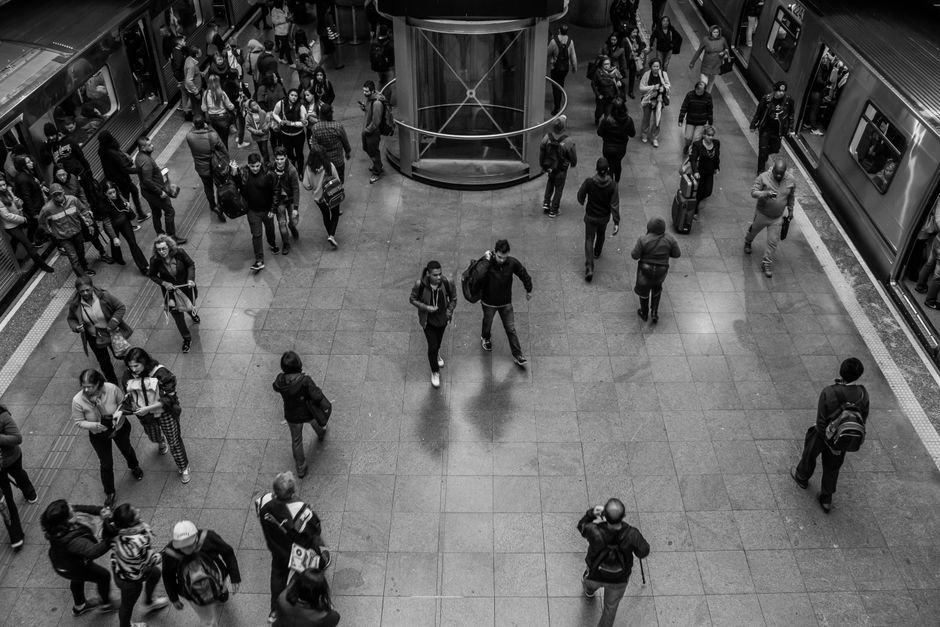
Choosing the Right Time and Route to Avoid the Hustle
In bustling cities, timing can be your greatest ally to navigate safely and calmly. Opting for early mornings or late evenings often means fewer crowds and more breathing room. Avoid peak rush hours when public transport and sidewalks become congested with commuters rushing to and from work. Planning your outings during these off-peak windows not only reduces the stress of jostling against masses but also minimizes the risk of petty theft, which tends to spike in crowded environments.
Equally important is choosing routes that dodge the busiest spots. Instead of main streets and popular transit hubs, look for less frequented alleyways, side roads, or green spaces that offer quieter passage. Here’s a quick guide to help you decide:
- Main Streets: High foot traffic, increased hustle
- Side Streets: Moderate traffic, safer and calmer
- Parks & Greenways: Low traffic, peaceful and refreshing
| Time of Day | Traffic Level | Recommended Routes |
|---|---|---|
| Morning (6am-8am) | Low to Moderate | Side Streets, Parks |
| Rush Hour (8am-10am, 5pm-7pm) | High | Avoid Main Streets |
| Midday (11am-2pm) | Moderate | Side Streets preferred |
| Evening (7pm-9pm) | Low | Parks, Quiet Routes |
With a strategic approach to timing and route selection, moving through a crowded city can shift from chaos to calm, giving you control over your safety and experience. Remember, a little foresight goes a long way in turning urban hustle into a manageable journey.
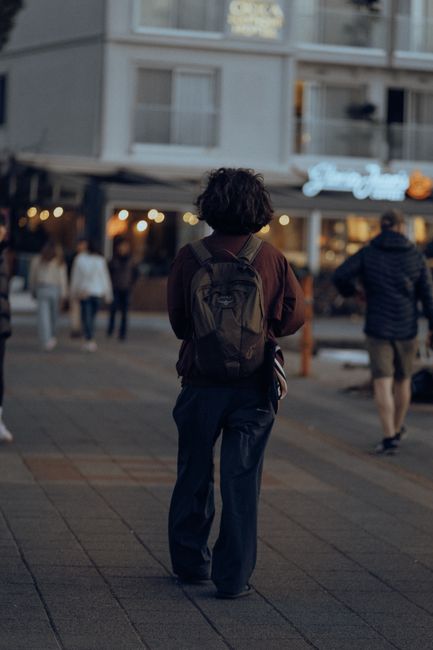
Mastering the Art of Personal Space in Packed Sidewalks
Navigating through a dense crowd requires more than just walking; it demands an intuitive understanding of the invisible bubble we all carry around. Respecting personal space starts with awareness—recognizing the subtle cues of others, such as slight shifts in posture or gaze direction, signals readiness to advance or pause. Adopting a gentle rhythm, much like a dancer in sync with the flow, helps prevent jostling and creates a smoother journey for everyone involved.
To master this balance, consider adopting these simple yet effective habits:
- Maintain a soft gaze: Avoid fixating on your phone or staring ahead; instead, scan the path gently for body language cues.
- Use your shoulders: Position your body slightly angled to fit into narrow spaces without abrupt bumping.
- Mind your pace: Match the speed of the crowd to prevent sudden stops that cascade into blockages.
| Action | Benefit | Tip |
|---|---|---|
| Soft gaze scanning | Anticipates movements | Practice in low-stress areas first |
| Angled body positioning | Maximizes available space | Keep arms relaxed and close |
| Matching pace | Maintains flow | Adjust gently without sudden stops |

Essential Gear for Navigating Urban Crowds with Ease
Equipping yourself with the right tools can transform a hectic urban trek into a smooth and confident journey. Start by choosing a compact, lightweight backpack that keeps your hands free and your belongings secure—preferably one with multiple compartments to organize essentials like your wallet, phone, and travel documents. A pair of comfortable, durable shoes with excellent grip will protect your feet and steady your steps on slippery sidewalks and uneven pavement. Don’t forget a reusable water bottle to stay hydrated without frequent stops, and a portable phone charger to keep your devices powered amid unexpected delays or navigation needs.
In addition to personal items, consider some practical urban safety gear that blends seamlessly with everyday wear. A simple reflective armband or clip can increase your visibility in dusk or dawn light, especially when crossing busy intersections. Compact noise-canceling earbuds help filter city noise, allowing you to stay alert to important ambient sounds like traffic or announcements. For particularly crowded situations, a discreet wallet or pouch with RFID protection safeguards your personal data from digital pickpocketing. Below is a handy overview of these essentials:
| Gear | Purpose | Benefit |
|---|---|---|
| Compact Backpack | Hands-free storage | Organized, secure belongings |
| Comfortable Shoes | Foot protection & stability | Stable footing on diverse surfaces |
| Reusable Water Bottle | Hydration | Stay refreshed without stopping |
| Portable Charger | Device power | Navigation & communication readiness |
| Reflective Armband | Visibility | Increased safety in low light |
| Noise-canceling Earbuds | Ambient sound control | Focus with environmental awareness |
| RFID Wallet | Security | Protection against digital theft |

Staying Alert and Aware Amidst City Distractions
In the lively whirl of urban life, distractions are everywhere—from honking cars to flashing billboards and the constant buzz of conversations. To navigate this chaos safely, it’s essential to cultivate a sharp sense of awareness. Keep your senses on alert: listen for unexpected sounds like sirens or bike bells, scan the crowd for sudden movements, and stay mindful of your surroundings. Avoid getting lost in your phone or headphones; instead, use technology judiciously, perhaps with just one earbud in so you can still catch ambient noises.
Establishing a simple routine of scanning your environment every few seconds can dramatically increase your safety. Trust your intuition—if something feels off or unusual, don’t hesitate to change your path or ask for help. Here are a few practical tips to sharpen your alertness:
- Maintain eye contact: This can deter potential threats and helps you understand the flow of pedestrian traffic.
- Keep valuables discreet: Wearing backpacks or purses close to your body reduces theft risk.
- Plan your route: Avoid poorly lit or overly congested areas when possible.
- Use reflective gear: Especially at night, this ensures you’re visible to drivers and cyclists alike.
| Distraction | Safety Tip | Benefit |
|---|---|---|
| Smartphone | Use one earbud or none | Stay aware of surrounding sounds |
| Heavy Crowds | Keep valuables close and avoid secluded spots | Lower theft risk and quick escape |
| Traffic Noise | Move on sidewalks and wait for crossing signals | Reduce accidents with vehicles |
Tech Tips for Real-Time Crowd Monitoring and Safe Movement
Leveraging technology to monitor crowds in real-time has revolutionized urban safety and movement efficiency. With smart sensors, AI-driven video analytics, and mobile data aggregation, city planners and security teams gain instant insights into crowd density and flow patterns. This timely information enables swift decision-making, such as redirecting pedestrian traffic or adjusting public transport schedules, minimizing compression points and potential hazards.
To optimize safe movement, integrating these technologies into daily urban navigation tools is key. Here are some practical tips for harnessing tech:
- Use crowd-sourced apps that provide live updates on crowded zones.
- Enable location services on your phone for personalized, real-time routing suggestions.
- Follow digital signages powered by sensor data that guide safe pathways.
- Stay informed through alerts triggered by sudden crowd build-ups detected via AI algorithms.
| Technology | Function | Benefit |
|---|---|---|
| AI Video Analytics | Detects crowd density | Prevents bottlenecks |
| Mobile Data Aggregation | Analyzes movement patterns | Optimizes routing |
| Smart Sensors | Monitors environmental changes | Enhances alert systems |

Polite yet Firm Communication in Tight Urban Encounters
In bustling streets where personal space is fleeting, mastering the art of polite yet assertive communication is key to moving confidently and safely. A gentle nod or a brief eye contact often serves as a nonverbal cue that establishes mutual awareness, reducing the risk of sudden collisions. When a verbal exchange becomes necessary, clear and courteous phrases like “Excuse me, may I pass?” or “Thank you for letting me through.” can transform potential friction into shared respect, helping to maintain a calm urban rhythm.
To ensure interactions in tight spaces remain smooth, here are some principles to keep in mind:
- Be concise: Use short, direct statements without sounding abrupt.
- Stay calm: Calm tones prevent escalation and convey control.
- Use body language: Open gestures make intentions clear without words.
- Respect others’ pace: Adjust your speed to avoid startling pedestrians.
| Situation | Polite Phrase | Suggested Gesture |
|---|---|---|
| Someone blocking narrow sidewalk | “Excuse me, may I squeeze past?” | Light hand wave |
| Passing a group chatting | “Thank you for making space.” | Friendly smile |
| Waiting to cross a busy crosswalk | “Shall we go together?” | Eye contact and nod |
| Escalator entry with tight queue | “May I join the line behind you?” | Polite slight bow |
Q&A
Q&A:
Q: Why is moving safely in a crowded city important?
A: In bustling urban environments, where the pace is quick and the spaces narrow, safety ensures that you reach your destination unharmed and stress-free. Navigating safely minimizes the risk of accidents, theft, or getting lost amidst the crowd.
Q: What should I be aware of when walking through crowded streets?
A: Stay alert and keep your belongings secure. Avoid distractions like using your phone excessively, and make eye contact with drivers before crossing. Walk confidently and follow pedestrian signals to reduce hazards.
Q: How can I use public transportation safely in a crowded city?
A: Plan your route in advance and try to travel during less busy times. Keep your wallet and phone in front pockets or zipped bags to deter pickpockets. Stay near the driver or in well-monitored areas, and be mindful of your surroundings.
Q: Are there any practical tips for cycling or scootering safely?
A: Always wear a helmet and obey traffic rules. Use hand signals to communicate with others and stay visible with reflective gear, especially at night. Stick to designated bike lanes and be extra cautious at intersections.
Q: What role does situational awareness play in city safety?
A: High situational awareness helps you predict and avoid potential dangers. By observing the flow of people and vehicles, you can choose safer routes, anticipate sudden movements, and stay clear of risky situations.
Q: How can technology assist in moving safely?
A: Apps that provide real-time traffic updates, safe walking routes, or public transit schedules can help you avoid crowded hotspots and unexpected delays. Safety apps can also alert trusted contacts in case of emergencies.
Q: What personal habits should I cultivate for safer city navigation?
A: Stay calm, be patient, and avoid rushing. Dress comfortably and wear appropriate footwear. Keep emergency contacts handy, and trust your instincts—if something feels off, seek a safer spot or ask for help.
Q: Can traveling with others improve safety?
A: Yes, moving in a group can deter crime and provide assistance if needed. Companions can alert each other to potential risks and share navigation duties, making travel smoother and more secure.
Q: What should I do if I feel unsafe or encounter trouble?
A: Move toward well-lit, populated areas and seek help from authorities or staff nearby. Keep emergency numbers saved and don’t hesitate to call for assistance. Remember, retreating from a risky scene is often the safest choice.
Q: How can I adapt to the unique challenges of different cities?
A: Research the city’s culture, peak hours, and common safety issues before you go. Locals and online forums can provide valuable insights. Adjust your approach based on the environment—for example, crowded markets require different tactics than subway stations.
Navigating a crowded city can be an adventure if done thoughtfully. Staying prepared, aware, and calm transforms the urban rush into a safe and even enjoyable experience.
Key Takeaways
Navigating the bustling streets of a crowded city can feel like an intricate dance—one that requires awareness, patience, and a dash of confidence. By embracing mindful movement, respecting personal space, and staying alert to your surroundings, you transform the urban maze from a chaotic obstacle course into a flowing rhythm of connection. So next time you step into the crowd, carry these principles with you and move not just safely, but gracefully through the vibrant pulse of city life.
