Stepping into the unknown of a new city can feel like opening the first page of an unwritten story—exciting, daunting, and full of possibilities. Moving alone to a new place isn’t just about packing bags or finding an apartment; it’s about navigating a fresh landscape of both challenges and opportunities. Whether it’s the hum of unfamiliar streets or the anticipation of new faces, embracing the solo move requires a blend of preparation and openness. In this article, we explore what you need to know to make that transition smoother, helping you turn the blank canvas of a new city into a place you can truly call home.
Table of Contents
- Preparing Your Mindset for Solo Relocation
- Finding the Perfect Neighborhood to Call Home
- Navigating Practicalities Before the Big Move
- Building a Support Network from Scratch
- Establishing a Comfortable and Functional Living Space
- Embracing New Experiences and Staying Safe
- Q&A
- Key Takeaways
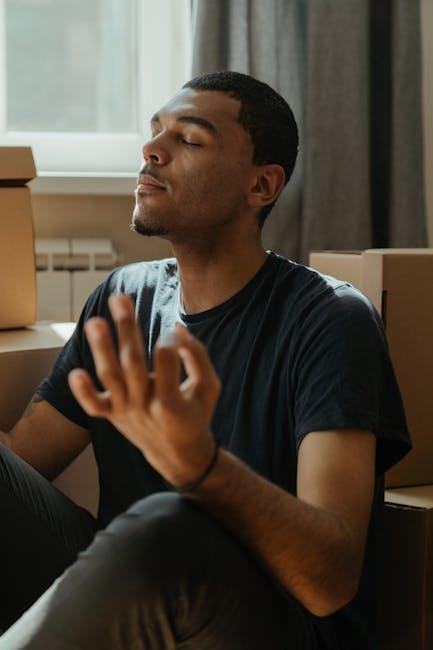
Preparing Your Mindset for Solo Relocation
Embarking on a journey to a new city solo requires more than just packing belongings—it demands a cultivated mindset ready for change and self-discovery. Embrace uncertainty as a companion rather than a foe; every unfamiliar street and unknown face is a doorway to growth. Cultivating resilience and openness helps transform potential anxieties into exciting opportunities. Begin by setting realistic expectations and goals, balancing ambition with patience as you navigate the initial challenges of relocation. Remember, adjusting your mindset is the first step to making a new city feel like home.
To strengthen your mental preparedness, consider integrating some daily rituals and reflective practices. These might include:
- Mindfulness exercises: Ground yourself in the present to alleviate stress and enhance awareness.
- Journaling: Document your journey to track progress and process emotions.
- Networking goals: Outline simple targets such as attending one local event per week.
Additionally, understanding your personal triggers and coping mechanisms will enable you to respond thoughtfully rather than react impulsively to the inevitable hurdles of starting fresh. A mindset tuned for solo relocation thrives on adaptability, curiosity, and self-compassion.
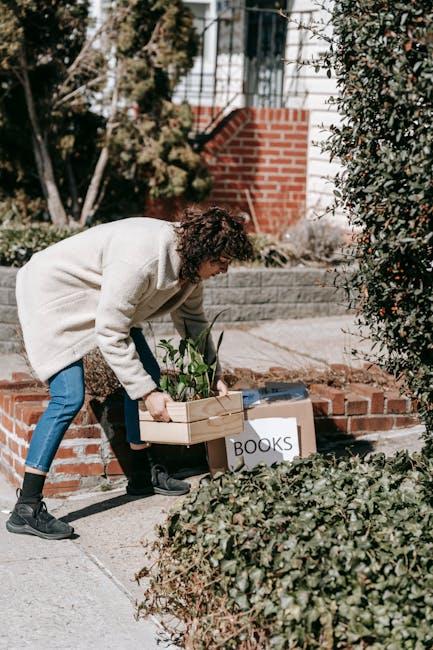
Finding the Perfect Neighborhood to Call Home
Choosing where to settle in a new city is more than just finding a place to live—it’s about discovering a community that matches your lifestyle and aspirations. Start by exploring neighborhoods with a vibe that resonates with you, whether it’s the bustling streets filled with cafes and art galleries or quiet areas with parks and friendly neighbors. Make a checklist of what matters most:
- Proximity to work or study
- Access to public transportation
- Local amenities like grocery stores and gyms
- Safety and crime rates
- Social opportunities such as community events
Visiting several neighborhoods at different times of the day offers invaluable insight into daily life and helps you sense the true atmosphere. Don’t hesitate to chat with locals or visit community hubs like libraries and markets to get a feel for the social fabric before making your decision.
| Neighborhood | Atmosphere | Best For | Average Rent |
|---|---|---|---|
| Riverside | Relaxed, scenic | Nature lovers, quiet evenings | $1,200/month |
| Downtown | Lively, fast-paced | Young professionals, nightlife | $1,800/month |
| Midtown | Cultural, diverse | Artists, families | $1,500/month |
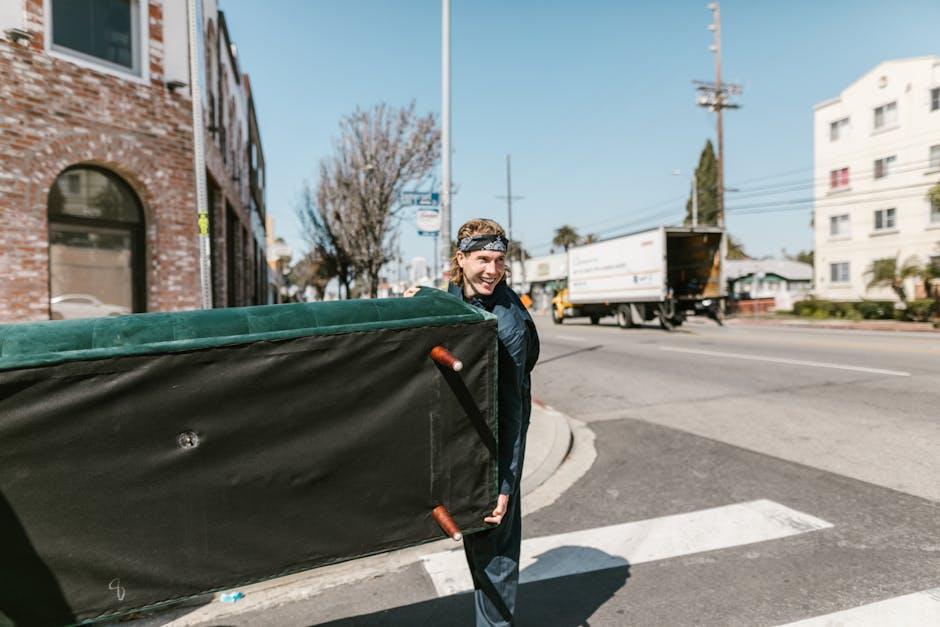
Navigating Practicalities Before the Big Move
Before packing up your life into boxes, it’s essential to get organized and tackle the logistical challenges that come with relocating solo. Start by securing your new home—whether renting or buying—with thorough research on neighborhoods that fit your lifestyle and budget. Don’t overlook scheduling utility setups like electricity, internet, and water, which can often take longer than expected. Additionally, keep all important documents handy, including lease agreements, identification, and moving checklists, to avoid last-minute scrambles.
Budgeting accurately can make or break your moving experience. Aside from rent and deposits, account for expenses like movers, packing supplies, and transportation. Here’s a quick snapshot to help you estimate your initial costs:
| Expense | Estimated Cost | Notes |
|---|---|---|
| Rent Deposit | $800 – $1,500 | Usually 1 month’s rent |
| Moving Services | $300 – $700 | Depends on distance and size |
| Packing Supplies | $50 – $150 | Boxes, tape, bubble wrap |
| Utility Setup Fees | $0 – $100 | Varies by provider |
- Change your address with the post office and notify banks, subscriptions, and employers.
- Research transportation options in your new city to plan your daily commute.
- Organize essentials in a separate bag to keep with you during the move (medications, chargers, important papers).

Building a Support Network from Scratch
Starting fresh in an unfamiliar place can feel intimidating, but building meaningful connections doesn’t have to be daunting. Begin by exploring local hubs such as coffee shops, libraries, and community centers where people naturally gather. Engaging in hobbies or classes that align with your interests not only enriches your personal growth but also paves the way to meet like-minded individuals. Remember, authentic relationships often stem from shared experiences rather than forced interactions.
Don’t overlook the power of digital platforms in fostering real-world connections. Social apps or community forums tailored to newcomers can be invaluable for finding events, group activities, or even volunteer opportunities. Here’s a quick guide to help you kickstart your network:
- Attend Meetups: Join gatherings based on your interests, from book clubs to outdoor adventures.
- Volunteer: Giving back introduces you to generous, community-minded people.
- Join Local Groups: Look for sports teams, language exchanges, or art classes.
- Leverage Social Media: Follow neighborhood pages to stay informed and involved.
| Connection Method | Example Places | Benefit |
|---|---|---|
| Community Classes | Cooking schools, Yoga studios | Skill-building + Socializing |
| Volunteer Activities | Animal shelters, Food banks | Purposeful interaction |
| Neighborhood Events | Farmers markets, Street fairs | Casual mingling, Local vibe |
| Interest-based Meetups | Hiking clubs, Board game nights | Shared passions |

Establishing a Comfortable and Functional Living Space
Creating a living space that feels like home is key to thriving when you’re moving solo. Begin by prioritizing comfort and practicality over everything else. Invest in essentials that cater to your daily routine, such as a cozy mattress for restful sleep, adequate lighting to set the mood, and storage solutions that minimize clutter. Consider the flow of your space — arrange furniture in a way that promotes ease of movement and maximizes natural light. Personal touches like artwork, plants, or textiles that reflect your personality will transform an empty apartment into a sanctuary, making the adjustment period smoother.
Functionality is just as important as comfort when settling in. Establish zones within your space for different activities—work, relaxation, cooking, and socializing—to help maintain balance and productivity. A simple checklist can guide your setup:
- Work zone: desk, ergonomic chair, adequate power outlets
- Relaxation corner: comfortable seating, soft lighting, sound system or books
- Kitchen essentials: compact appliances, organized pantry, multitasking tools
- Storage solutions: shelves, baskets, under-bed bins
| Item | Purpose | Tip |
|---|---|---|
| Desk Lamp | Focus lighting | Choose adjustable brightness |
| Area Rug | Define relaxation zone | Pick colors that add warmth |
| Multi-purpose Storage Ottoman | Seating + Storage | Great for small spaces |
By thoughtfully designing a space that supports your lifestyle, you create not only a place to live but a foundation for your new adventure.

Embracing New Experiences and Staying Safe
Venturing into a new city solo is an exhilarating opportunity to broaden your horizons and sprinkle your daily life with fresh perspectives. It’s about savoring the unknown—from sampling unfamiliar cuisines to exploring hidden neighborhoods. Embracing these moments with an open mind enriches your personal growth and forges memorable experiences. To truly thrive, consider these approaches:
- Connect Locally: Engage with community events or local clubs that resonate with your interests.
- Stay Curious: Take spontaneous trips around the city without a fixed plan to uncover unexpected gems.
- Document Your Journey: Keeping a journal or blog can help process your feelings and celebrate your accomplishments.
Alongside embracing adventure, prioritizing safety is crucial when navigating unfamiliar environments on your own. Establishing a few firm habits will help you feel secure and confident. Make sure your accommodation is in a well-reviewed, safe neighborhood and always share your whereabouts with a trusted friend or family member. Additionally, being aware of emergency contacts and local laws can prevent unnecessary troubles. The following quick-reference table highlights key safety tips to keep handy:
| Safety Tip | Why It Matters |
|---|---|
| Stay in well-lit areas at night | Reduces risk of accidents or encounters with unsafe situations |
| Avoid oversharing plans on social media | Protects privacy and prevents unwanted attention |
| Carry a small first aid kit | Immediate response to minor injuries without delay |
| Keep emergency numbers saved and accessible | Ensures quick action during critical times |
Q&A
Q&A: Moving to a New City Alone – What to Know
Q: What is the biggest challenge when moving to a new city alone?
A: The biggest challenge is often overcoming loneliness and building a new social network. Without familiar faces nearby, it can take time and effort to find friends, colleagues, or community groups that help you feel at home.
Q: How can I prepare emotionally for moving to a new city alone?
A: Emotional preparation involves setting realistic expectations, embracing uncertainty, and cultivating self-compassion. Acknowledge that feelings of doubt or homesickness are normal, and give yourself permission to take things slowly as you adapt.
Q: What practical steps should I take before I move?
A: Research your new city thoroughly—learn about neighborhoods, commute options, cost of living, and amenities. Arrange housing in advance, and if possible, visit the city beforehand to get a feel for it. Also, organize important documents and set up services like utilities or internet early.
Q: How do I start building a social circle after moving?
A: Engage in local activities that align with your interests, such as clubs, classes, or volunteer opportunities. Use apps and social media to connect with locals or newcomers. Attend community events and don’t be afraid to initiate conversations.
Q: What mindset can help me thrive in this new chapter?
A: Approach your move as an exciting adventure full of opportunities for growth and discovery. Stay curious and open-minded, practice patience with yourself, and celebrate small wins as you settle into your new environment.
Q: Are there safety considerations I should keep in mind?
A: Absolutely. Familiarize yourself with safe neighborhoods, know emergency contacts, and trust your instincts. When exploring your city, inform someone where you’re going, especially at night or in unfamiliar areas.
Q: How important is establishing a routine in a new city?
A: Establishing a routine helps create stability and a sense of normalcy amidst change. It can anchor your days, reduce anxiety, and make your new city feel more like home by incorporating regular activities, whether it’s a morning coffee spot or evening workouts.
Q: What if I feel overwhelmed after the move?
A: Feeling overwhelmed is common. Take breaks, practice self-care, and consider seeking support from friends, family, or professionals if needed. Remember, adapting is a process—not a race—and it’s okay to ask for help.
Q: Can moving alone change me in unexpected ways?
A: Yes. Living alone in a new city often fosters greater independence, resilience, and self-awareness. It challenges you to step out of comfort zones, develop new skills, and redefine your sense of identity in empowering ways.
This Q&A provides a balanced and creative overview for anyone gearing up to move to a new city alone, blending practical advice with emotional insight.
Key Takeaways
Moving to a new city alone is both a leap into the unknown and a chance to rediscover yourself. While the path may feel uncertain at first, each challenge you face is a step toward growth and independence. Embrace the unfamiliar streets, the new faces, and the quiet moments of reflection—because in doing so, you’re not just relocating; you’re creating a whole new chapter of your story. With preparation, patience, and an open heart, your solo journey can transform into an adventure filled with possibility and personal discovery.

