Moving can often feel like trying to solve a complex puzzle with a ticking clock. The whirlwind of sorting, boxing, and labeling can quickly become overwhelming, especially when time is not on your side. But what if there were clever ways to outsmart the chaos and breeze through your move with ease? In this article, we’ll uncover practical packing hacks designed to save time, reduce stress, and transform your quick move into a smooth, manageable process. Whether you’re relocating across the street or across the country, these tips will help you pack smarter, faster, and with a little less hassle.
Table of Contents
- Efficient Sorting Strategies to Streamline Your Packing Process
- Essential Packing Materials That Save Time and Protect Belongings
- Space-Saving Techniques for Maximizing Box Capacity
- Labeling and Organizing Tips for Easy Unpacking
- Smart Use of Clothing and Soft Items to Cushion Fragile Goods
- Last-Minute Packing Moves to Keep Your Schedule on Track
- Q&A
- In Retrospect

Efficient Sorting Strategies to Streamline Your Packing Process
When it comes to sorting your belongings for a move, efficiency is your best ally. Start by categorizing items not just by room, but also by their fragility and frequency of use. For example, group daily essentials separately from seasonal or seldom-used items. This method speeds up both packing and unpacking, preventing the frustration of digging through boxes to find what you need. Utilize color-coded labels or washi tape to create a visual sorting system that instantly communicates where each box belongs.
In addition to visual cues, maintain a simple inventory worksheet that lists box contents paired with their destination room — this roadmap will save you time during the chaotic moving day. Here’s a quick reference table to help organize your categories:
| Category | Examples | Label Color |
|---|---|---|
| Daily Essentials | Toiletries, chargers, utensils | Red |
| Fragile Items | Glassware, electronics | Blue |
| Seasonal Gear | Winter clothes, holiday décor | Green |
| Bulky Items | Bedding, large kitchenware | Yellow |
- Group similar items: Makes finding and unpacking faster.
- Use sturdy boxes: Prevents damage and speeds up stacking.
- Label all sides: Ensures you see the contents wherever a box is placed.

Essential Packing Materials That Save Time and Protect Belongings
Choosing the right materials can make all the difference when packing efficiently. Bubble wrap and sturdy moving boxes form the backbone of reliable protection, cushioning delicate items against impact. For smaller or oddly-shaped belongings, items like packing peanuts or foam inserts prevent shifting, reducing the chance of damage. Don’t overlook the power of quality packing tape—strong adhesive tape is your safeguard against box failures during transport. Additionally, versatile stretch wrap can bundle loose items together or secure furniture parts, speeding up the loading process while keeping things intact.
Keeping your packing materials organized also saves valuable time on moving day. Consider using labeled bags or containers for essentials like markers, scissors, and zip ties, so you can grab what you need fast and keep boxes sealed properly. The table below highlights some must-have packing supplies that combine protection and convenience:
| Material | Primary Use | Time-Saving Tip |
|---|---|---|
| Bubble Wrap | Cushion fragile items | Use pre-cut sheets for quicker wrapping |
| Sturdy Boxes | Contain bulky goods | Pre-fold and stack before packing |
| Packing Tape | Seal boxes securely | Invest in a handheld dispenser for speed |
| Stretch Wrap | Bundle and protect items | Wrap once tightly to avoid redoing |
| Zip Ties | Hold small pieces together | Keep a labeled kit accessible |

Space-Saving Techniques for Maximizing Box Capacity
To make the most of every inch inside your moving boxes, start by breaking down bulky items into smaller components. This method not only reduces awkward gaps but also allows for more strategic stacking. For example, dismantling furniture legs or removing cushions from chairs can create versatile packing shapes. Another clever trick is to fill empty spaces with soft, lightweight items such as socks, scarves, or even bubble wrap, transforming voids that would otherwise be wasted into cushioned, space-efficient areas.
Maximizing box capacity also hinges on your choice of packing order. Place heavier items at the bottom to create a solid foundation, then build layers with progressively lighter and more fragile goods. Utilize household items creatively—nesting bowls inside larger ones, stuffing shoes with small essentials, or rolling clothes rather than folding, to minimize wrinkles and maximize volume. Here’s a quick reference table demonstrating optimal packing arrangements:
| Item Type | Space-Saving Tip | Packing Position |
|---|---|---|
| Clothes | Roll tightly | Fill small gaps |
| Kitchenware | Nest smaller items | Bottom of box |
| Shoes | Stuff interiors | Edges & corners |
| Books | Stack flat and upright | Base or sides |

Labeling and Organizing Tips for Easy Unpacking
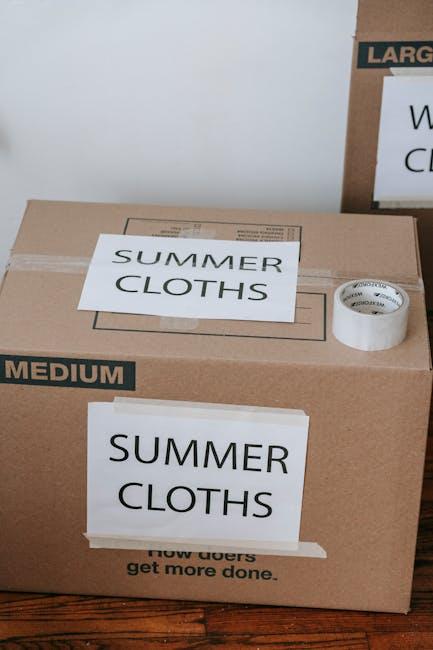
Creating a seamless unpacking experience starts with smart labeling strategies. Use color-coded stickers or markers for each room—this visual cue speeds up the sorting process and reduces the hassle of dragging boxes all over the house. Be sure to write detailed descriptions and list key contents directly on the labels; instead of just “Kitchen,” try “Kitchen – Pantry Items & Small Appliances.” This little extra effort will save you from opening every box searching for that elusive spatula or coffee maker.
To maximize organization, consider a simple yet effective inventory system. You can craft a table like the one below to track your boxes, making unpacking feel more like a game and less like a chore:
| Box Number | Room | Contents | Priority Level |
|---|---|---|---|
| 1 | Living Room | Books & Decor | Medium |
| 2 | Kitchen | Coffee Maker & Utensils | High |
| 3 | Bedroom | Clothes & Bed Linens | Low |
- Label Both Ends: Ensures visibility no matter how boxes are stacked.
- Keep a Master List: A central document or app that tracks all box details for quick reference.
- Fragile Items First: Mark fragile boxes clearly and note their content to prioritize careful handling.

Smart Use of Clothing and Soft Items to Cushion Fragile Goods
When preparing fragile items for transport, instead of rushing out to buy expensive packing materials, tap into the soft treasures hiding in your wardrobe and linen closet. Wrapping delicate dishes, glassware, or electronics in clean t-shirts, scarves, or even socks offers a dual advantage: soft cushioning and a snug fit that prevents movement during transit. Blankets and towels also make excellent padding, especially for larger items or gaps between boxes, absorbing shocks while keeping your precious cargo intact.
To maximize space and protect your goods, consider these clever uses:
- Roll fragile items in bubble sheets, then cover with a layer of soft clothing to prevent scratches.
- Use rolled-up socks or gloves as individual spacers between glassware in boxes.
- Line boxes with folded sweaters or fleece blankets to form a cushioned base and top layer.
| Soft Item | Best Use | Benefit |
|---|---|---|
| T-Shirts | Wrap fragile small items | Flexible, reusable padding |
| Towels | Line box bottoms and sides | Absorbs shocks and vibrations |
| Socks | Spacer for glassware gaps | Prevents clinking and scratches |
| Scarves | Wrap oddly shaped items | Soft, stretchable protection |
Last-Minute Packing Moves to Keep Your Schedule on Track
When time is not on your side, prioritizing and strategizing becomes essential. Start by gathering all packing supplies in one spot to avoid running around last minute. Focus on essentials and items you’ll need immediately after the move—think toiletries, chargers, and a change of clothes—and pack these separately for quick access. Utilize space-saving techniques like rolling clothes and stuffing smaller items inside shoes or pots. Remember to label boxes clearly, using bold markers and color codes, to save precious minutes when unpacking.
For a smoother transition, consider a simple packing checklist:
- Essentials box: Must-haves for the first 24 hours.
- Fragile items: Wrapped carefully and marked ‘Fragile.’
- Daily-use appliances: Pack last to use until moving day.
- Important documents: Keep them in a secure folder.
| Packing Task | Time Saved | Pro Tip |
|---|---|---|
| Color-coded labels | 30 mins | Easier unpacking |
| Essentials box | 45 mins | Immediate access |
| Rolling clothes | 20 mins | Maximizes space |
Q&A
Q&A:
Q: What is the first step to make packing faster and more efficient?
A: Start by organizing your belongings into categories—keep essentials, donate or toss what you don’t need, and group similar items together. This cuts clutter and streamlines the packing process.
Q: How can I pack fragile items quickly without worrying about breakage?
A: Use soft household items like towels, socks, or t-shirts as padding instead of expensive bubble wrap. Wrap delicate things carefully and nestle them into boxes with plenty of cushioning.
Q: What’s a creative way to save time labeling boxes?
A: Color-code boxes with markers or colored tape based on rooms or priority levels—this makes unloading a breeze and speeds up organization at the new place without lengthy labels.
Q: Can multi-use packing tools really save time?
A: Absolutely! A roll of painter’s tape, a quality box cutter, and resealable bags are your best friends. Painter’s tape removes cleanly and can temporarily seal boxes, while baggies keep small parts like screws instantly accessible.
Q: How do I pack clothes fast while keeping them wrinkle-free?
A: Keep clothes on hangers and cover them with garbage bags to move an entire wardrobe quickly—or roll items tightly in packing cubes to maximize space and reduce wrinkles.
Q: Any tips for quick access to essentials after the move?
A: Pack a “First Night” box with must-haves: toiletries, a change of clothes, chargers, basic kitchen tools, and important documents. Label it clearly and keep it with you.
Q: How can everyday items speed up packing?
A: Use suitcases, backpacks, and laundry baskets as impromptu boxes—these can be easier to carry and move, especially when time is short.
Q: How do I stay calm and avoid last-minute packing panic?
A: Break packing into timed sprints—set a timer for 20-30 minutes per task. This keeps momentum going, prevents overwhelm, and transforms packing into manageable bites.
Q: What’s a quick hack to protect furniture while moving?
A: Wrap furniture legs and corners with old blankets or linens secured with rubber bands or tape. This cushions surfaces without needing specialized moving blankets.
Q: Any final tip to maximize speed and reduce stress?
A: Enlist help! Even a single friend can double your packing speed. Give simple tasks like box taping or sorting clothes, turning packing into a collaborative, less stressful effort.
In Retrospect
As the last box seals shut and the moving truck hums to life, you’ll find that a little preparation can turn chaos into calm. These packing hacks are more than just tips—they’re your toolkit for a smoother, quicker move. So whether you’re leaping into a new city or simply shifting down the street, remember: efficient packing doesn’t just save time, it saves sanity. Here’s to fresh starts and uncluttered journeys ahead.

