Moving to a new city or state can be an exciting fresh start, but the reality of long-distance relocations often comes with a hefty price tag. From packing materials to transportation fees, costs can quickly add up and turn the dream of a smooth move into a financial headache. Yet, with a little planning and savvy decision-making, it’s entirely possible to cut down those expenses without sacrificing quality or peace of mind. In this article, we’ll explore practical strategies and insider tips on how to save on long-distance moves—helping you turn your next big journey into a budget-friendly adventure.
Table of Contents
- Choosing the Right Moving Company for Your Budget
- Timing Your Move to Maximize Savings
- Smart Packing Strategies to Cut Costs
- Exploring Alternative Moving Options and Services
- Understanding and Negotiating Moving Estimates
- Tips for Reducing Unexpected Moving Expenses
- Q&A
- The Conclusion
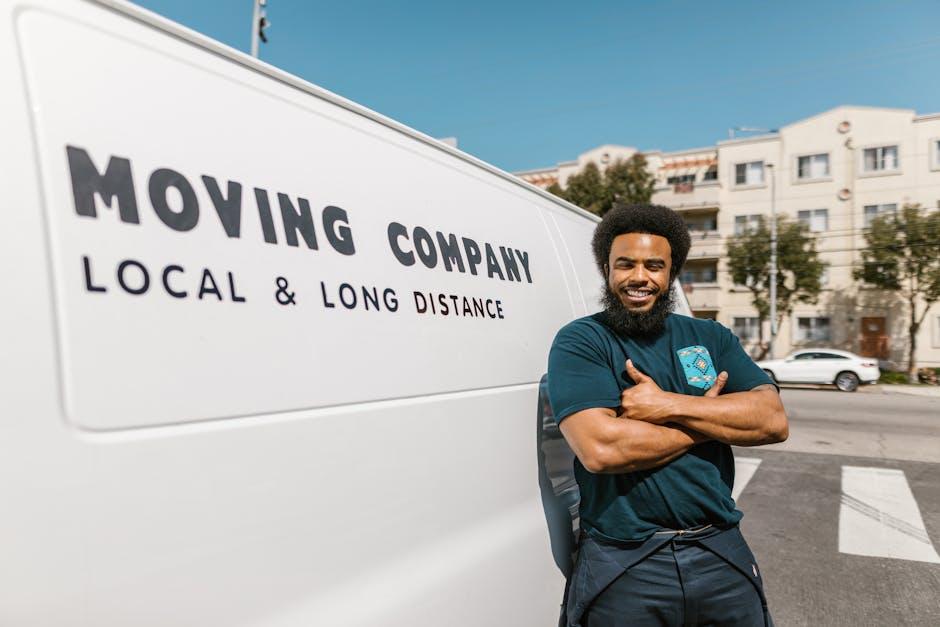
Choosing the Right Moving Company for Your Budget
Finding a moving company that aligns with your financial plan requires more than just picking the cheapest option. Focus on transparency and the value of services offered. Look for movers who provide clear, detailed quotes and don’t hesitate to ask about hidden fees such as fuel surcharges or charges for bulky items. Additionally, verify their insurance policies and licensing to ensure your belongings are protected without unexpected costs after the move.
When comparing services, consider these key factors to ensure you get the best deal without compromising quality:
- Flexible Scheduling: Off-peak moving dates often come with discounts and added availability.
- DIY Options: Some companies offer hybrid services where you pack, but they handle transport.
- Storage Solutions: Check if temporary storage is included or available at a budget-friendly rate.
| Service | Average Cost | Budget Tip |
|---|---|---|
| Full-Service Packing | $300 – $700 | Pack fragile items yourself to save. |
| Loading & Unloading | $150 – $350 | Schedule during weekdays for lower rates. |
| Long-Distance Transport | $1,000 – $3,000 | Get multiple quotes to negotiate. |
| Storage Fees | $50 – $200 per month | Limit storage duration to reduce costs. |

Timing Your Move to Maximize Savings
Choosing the right moment to schedule your move can significantly lighten the financial load. Moving companies often experience seasonal peaks, which can drive prices up. Booking during off-peak months, such as late fall or winter (excluding holidays), can unlock more competitive rates and personalized service. Similarly, mid-week moves usually come with better deals compared to weekends when demand surges.
Another savvy strategy is to remain flexible with your moving dates. By giving movers a wider window to work within, you might snag discounts not advertised openly. Consider these timing tips to boost savings:
- Plan your move at least 30 days ahead for early bird rates.
- Avoid end-of-month closings when moving demand spikes.
- Schedule pick-up and delivery during weekdays.
- Stay aware of local events that could increase moving costs.
| Time of Year | Expected Price Trend | Optimal Savings Tip |
|---|---|---|
| January – March | Low | Book early for best deals |
| April – June | Rising | Flexible mid-week dates |
| July – August | High | Avoid peak summer rush |
| September – November | Moderate | Take advantage of weekday moves |

Smart Packing Strategies to Cut Costs
When it comes to moving long distances, every inch of space counts—and savvy packers know how to maximize it. Start by using multi-purpose items as packing materials, such as soft clothes to cushion fragile dishes or spare towels to wrap delicate glassware. This not only saves money on bubble wrap and packing paper but also reduces overall weight. Another trick is to break down bulky furniture to its smallest components. Disassembling beds, tables, and shelves allows you to fit more pieces into your moving truck, ultimately saving on transport costs.
Organizing your belongings efficiently can shave off significant expenses. Employ these tactics:
- Vacuum-seal soft goods: Compress bedding and clothing to minimize volume.
- Fill gaps creatively: Use shoes, hats, or small bags to occupy nooks inside larger boxes.
- Group similar items: Packing books and heavy items together prevents imbalance and potential damage.
| Item | Packing Tip | Cost-Saving Benefit |
|---|---|---|
| Clothing | Use vacuum bags | Reduces space by up to 70% |
| Fragile Glassware | Wrap with soft clothes | No need for extra packing materials |
| Books | Pack in small boxes | Prevents overweight surcharges |

Exploring Alternative Moving Options and Services
When planning a long-distance move, thinking beyond traditional full-service movers can uncover cost-effective alternatives tailored to your specific needs. Consider freight trailer rentals where you load your belongings and pay only for the space you use—this option blends convenience with affordability. Another innovative service is portable moving containers, which you can pack at your own pace; the company then transports the container to your new home. These solutions grant greater control over timing and minimize labor costs without sacrificing reliability.
Additionally, you might explore hybrid moving services that combine professional transport with DIY packing or loading. These flexible options could include:
- Hiring local labor to assist with heavy lifting
- Using ride-sharing apps for smaller item transport
- Utilizing peer-to-peer moving platforms to find affordable helpers
Each approach offers a unique balance of effort and savings, enabling you to tailor your move according to budget and time constraints.
| Service Type | Typical Cost | Ideal For |
|---|---|---|
| Freight Trailer Rental | $500 – $1200 | Mid-sized moves, flexible schedule |
| Portable Moving Containers | $700 – $1500 | Full packing flexibility, longer transit |
| Hybrid Services | $400 – $1000 | DIY packers needing partial help |

Understanding and Negotiating Moving Estimates
Before committing to a moving company, it’s essential to dissect every component of your estimate. Many quotes bundle charges into categories that might seem opaque at first glance. Look closely for fees related to packing services, fuel surcharges, and insurance coverage. Understanding these elements allows you to identify areas where you could reduce costs, such as opting to pack your own belongings or lowering your coverage limits if feasible. Don’t hesitate to ask for a detailed breakdown and clarify any ambiguous line items.
When negotiating, keep in mind that most movers have a little wiggle room, especially during off-peak seasons. Approach conversations with a clear understanding of your priorities, and consider sharing competitor offers to leverage better rates. Below is a simple guide to help prioritize negotiation points:
- Base rate: Confirm if it includes all essential services.
- Extra services: Decide which add-ons you truly need.
- Insurance: Compare coverage options to avoid overpaying.
- Timing: Flexible dates can unlock discounts.
| Negotiation Element | Tip to Save |
|---|---|
| Fuel Surcharge | Ask if rates vary with gas prices and request a cap. |
| Packing Services | Offer to pack fragile items yourself for a discount. |
| Storage Fees | Confirm if storage is necessary and negotiate duration-based rates. |
| Timing Flexibility | Schedule mid-week moves for lower demand costs. |

Tips for Reducing Unexpected Moving Expenses
Prepare a detailed moving checklist: One of the smartest ways to dodge surprise costs is by thoroughly planning every step of your move. Break down your tasks into manageable chunks and allocate a budget for each. This means accounting for packing supplies, transportation fees, and any last-minute needs. When you track your progress and expenses regularly, you can spot potential cost overruns early and adjust accordingly. Additionally, ask friends or movers for recommendations on affordable packing materials—sometimes repurposed boxes and bubble wrap save big bucks.
Be savvy about timing and service choices: Moving rates fluctuate depending on demand, so scheduling your move during off-peak days or seasons can lead to significant savings. Avoid weekends and holidays when movers charge premiums. It’s also worth getting multiple quotes and comparing services to find the best value. Consider a hybrid approach: hire professionals for heavy lifting but handle packing and unpacking yourself. Here’s a quick guide to potential costs based on timing:
| Moving Period | Estimated Cost Multiplier | Cost-Saving Tip |
|---|---|---|
| Weekdays (Tue-Thurs) | 1.0x | Standard pricing, best value |
| Weekends (Fri-Sun) | 1.3x | Higher cost, book early |
| Peak Season (May-Aug) | 1.5x | Reserve months in advance |
| Off-Season (Nov-Feb) | 0.8x | Great deals & flexibility |
- Declutter before packing to reduce the volume and cost.
- Label boxes carefully to avoid costly unpacking delays.
- Confirm all fees upfront with your movers to prevent hidden charges.
Q&A
Q: What is the first step to saving money on a long-distance move?
A: Planning ahead is your best friend. The earlier you start, the more options you have to secure better rates and avoid last-minute fees. Booking months in advance often means lower costs and more time to compare quotes.
Q: How can packing smartly reduce moving expenses?
A: Packing yourself cuts labor costs significantly. Use free or low-cost materials like dish towels, linens, and newspapers for padding. The more efficiently you pack, the fewer boxes and less weight you’ll carry—and movers often charge by volume or weight.
Q: Are there specific times of year when moving is cheaper?
A: Yes! Moving during off-peak seasons—like fall and winter—usually saves you money. Avoid weekends and end-of-month dates when demand spikes. Mid-month and mid-week moves tend to be more affordable and less stressful.
Q: Should I consider DIY moving options to save money?
A: Definitely. Renting a moving truck or using a portable storage container can be more economical, especially if you don’t have many heavy items. Just be sure to factor in fuel, tolls, and insurance when crunching the numbers.
Q: Can decluttering before a move put money back in my pocket?
A: Absolutely. Selling, donating, or discarding items you don’t need reduces your load, meaning less weight and fewer boxes. Plus, a garage sale can help you earn extra cash to offset moving costs.
Q: How important is it to get multiple quotes?
A: Crucial. Not all moving companies price the same way. Getting at least three detailed quotes lets you compare services, fees, and hidden charges. It also provides leverage for negotiation.
Q: Are there hidden fees to watch out for?
A: Yes—fuel surcharges, stair carries, long carry fees, and storage costs can sneak up on you. Ask movers upfront about any additional charges and read contracts carefully before signing.
Q: What role does insurance play in cost-saving?
A: While basic coverage might be included, it usually covers a fraction of your belongings’ value. Investing in extra insurance might seem like an extra cost but can save you thousands if something gets damaged or lost.
Q: Can technology help lower moving expenses?
A: It sure can. Use apps and websites to track moving trucks, compare reviews, find coupons, or even coordinate shared moves with others traveling the same route. Technology empowers you to make informed, cost-effective choices.
Q: What mindset helps keep moving costs down?
A: Flexibility and creativity. Being open to alternative moving dates, locations for truck drop-off, and even barter arrangements can unlock savings. Think of your move as a puzzle—the more angles you explore, the more money you save.
The Conclusion
Saving on a long-distance move doesn’t have to feel like navigating a never-ending maze. With thoughtful planning, savvy budgeting, and a splash of creativity, you can trim costs without sacrificing peace of mind. Remember, every little step—from decluttering early to comparing quotes—adds up to smooth sailing and a lighter load on your wallet. So, embark on your journey with confidence, knowing that smart choices today pave the way for a brighter, budget-friendly tomorrow. Safe travels!