Moving day—a whirlwind of boxes, last-minute checklists, and a rush of emotions—can quickly become overwhelming without the right approach. Whether you’re shifting across town or heading to a new state, mastering the art of preparation transforms this chaotic day into a smooth, manageable experience. In this guide, we’ll explore practical tips and insider strategies that help you prepare like a seasoned mover, ensuring your transition is as seamless and stress-free as possible. Ready to turn moving day into a well-orchestrated adventure? Let’s dive in.
Table of Contents
- Choosing the Right Moving Supplies for a Smooth Transition
- Mastering the Art of Strategic Packing to Save Time and Space
- Creating a Moving Day Schedule That Minimizes Stress
- Tips for Coordinating with Movers and Managing Logistics
- Essential Self-Care Practices to Stay Energized and Focused
- Post-Move Organization Strategies to Settle In Quickly
- Q&A
- In Summary
Choosing the Right Moving Supplies for a Smooth Transition
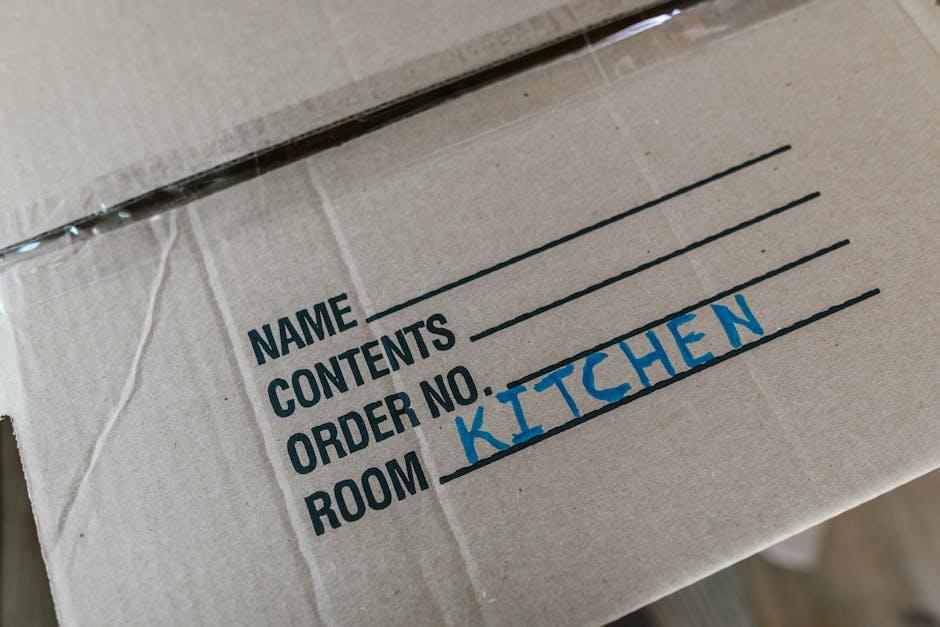
Successfully navigating moving day hinges on having the right supplies at your fingertips. Start with sturdy, high-quality boxes in a variety of sizes to protect your items without causing unnecessary strain on your back or your moving crew. Don’t overlook specialized containers for fragile valuables, such as dish pack boxes or wardrobe boxes, which can save hours during unpacking by eliminating the need for additional packing materials. Packing tape and a good tape dispenser are essential to ensure your boxes stay securely sealed, while breathable packing paper and bubble wrap will cushion delicate items from bumps on the road.
Equally as important are tools that streamline the physical labor of moving. Consider investing in dolly carts or furniture sliders to ease heavy lifting and protect your floors from scratches. Labeling supplies such as permanent markers and color-coded stickers keep your belongings organized and make unpacking a breeze. To help you keep track, here’s a quick reference table that breaks down must-have moving supplies by category, helping you to pack smart and move effortlessly:
| Category | Essential Supplies | Purpose |
|---|---|---|
| Boxes | Standard, Wardrobe, Dish Pack | Protect and organize belongings |
| Protection | Bubble Wrap, Packing Paper | Cushion fragile items |
| Sealing | Packing Tape, Tape Dispenser | Secure boxes firmly |
| Moving Tools | Dolly, Furniture Sliders | Facilitate heavy lifting & prevent damage |
| Labeling | Markers, Color-coded Stickers | Keep items organized & simplify unpacking |

Mastering the Art of Strategic Packing to Save Time and Space
Efficient packing is a game-changer when it comes to moving smoothly. Begin by categorizing your belongings into functional groups: essentials, fragile items, seasonal goods, and bulky pieces. This segmentation allows for quicker access and organization, especially on move day. Utilize space-saving techniques such as rolling clothes instead of folding, nesting smaller items inside larger containers, and filling voids with soft goods like towels or pillows to prevent shifting. Investing in uniform, stackable boxes can also make the loading process more straightforward, creating a stable load that’s easier to manage and less prone to damage.
Time can be saved exponentially by planning packing sessions in advance and labeling boxes with detailed descriptions and room destinations. Here are a few strategic tips to optimize the process:
- Color-code your boxes for each room to speed up unloading and unpacking.
- Prioritize packing non-essential items well ahead to reduce last-minute rushes.
- Use clear plastic bins for important documents or frequently needed items so they remain visible and accessible.
| Item Type | Packing Tip | Ideal Container |
|---|---|---|
| Fragile | Wrap individually, layer with cushioning | Double-walled box |
| Clothing | Roll or use wardrobe boxes | Wardrobe box or suitcase |
| Books | Keep flat to avoid damage | Small sturdy boxes |
| Decor & Appliances | Disassemble and label parts | Specialty or padded boxes |

Creating a Moving Day Schedule That Minimizes Stress
To glide through moving day with ease, crafting a well-planned schedule is your secret weapon. Start by breaking down the day into manageable time blocks, allowing for packing, loading, and essential breaks. Prioritize tasks by urgency and complexity, tackling high-energy jobs like heavy lifting in the morning when you feel fresh. Equally important is to set realistic time frames—think of your schedule as a flexible roadmap, not a rigid itinerary.
Consider integrating these time-saving habits to keep momentum:
- Prepare an essentials kit: Personal items, snacks, and documents within easy reach.
- Assign roles: Designate who handles what, from directing movers to managing paperwork.
- Use technology: Set alarms or reminders on your phone to keep tasks on track.
- Build in buffer periods: Account for unexpected delays to avoid rushing.
| Time Block | Task | Tips |
|---|---|---|
| 7:00 – 9:00 AM | Packing final boxes | Keep fragile items protected and label boxes clearly |
| 9:00 – 11:00 AM | Loading moving truck | Start with heavy items, distribute weight evenly |
| 11:00 – 12:00 PM | Break and lunch | Stay hydrated and energize |
| 12:00 – 2:00 PM | Travel and unloading | Unload essentials first for easier setup |
| 2:00 – 4:00 PM | Initial room setup | Arrange furniture and unpack priority boxes |

Tips for Coordinating with Movers and Managing Logistics
Clear communication is your best ally on moving day. Ensure you confirm all details with your movers a few days in advance, including arrival time, parking arrangements, and any specific handling instructions for fragile or bulky items. Providing a detailed inventory list helps movers understand the scope and prepare accordingly, reducing surprises and delays. It’s also a good idea to share your contact information and a backup phone number, fostering seamless coordination should any logistical hiccups arise.
To keep the day running smoothly, organize your move like a pro by mapping out key tasks and timelines. Consider creating a checklist that includes:
- Designating a packing zone for last-minute items
- Setting aside snacks and water for everyone involved
- Assigning someone to oversee the new home’s readiness
- Clarifying payment methods and tipping protocols
Here’s a quick reference table to track essential coordination elements:
| Task | Who’s Responsible | Deadline |
|---|---|---|
| Confirm mover arrival time | You | 3 days before move |
| Prepare payment & tip | You | On moving day |
| Hold packing zone for last items | Family member/friend | Morning of move |
| Set up utilities at new home | You | Week before move |
By staying organized and proactive in your communication, you’ll turn what could be a chaotic day into a well-oiled operation. Remember, the right preparation ensures your movers feel supported and your belongings stay safe.

Essential Self-Care Practices to Stay Energized and Focused

Post-Move Organization Strategies to Settle In Quickly
Once the chaos of moving day has settled, establishing a clear and efficient organizational system in your new space becomes essential. Start by unpacking essentials first—think items like toiletries, basic kitchenware, and a few days’ worth of clothing. This way, you create a functional environment quickly without getting overwhelmed. Label storage zones in each room, such as “clothes,” “books,” or “kitchen gadgets,” using removable stickers or colored tape. This visual guide will dramatically simplify unpacking and help everyone in the household stay on the same page. Consider creating a prioritization list to tackle one area at a time instead of spreading your energy too thin.
- Set up a central command station: Dedicate a small area for mail, keys, chargers, and important documents to keep clutter at bay.
- Use multifunctional storage: Choose ottomans, beds with drawers, or wall shelves to maximize space efficiently.
- Digitize routines: Keep track of unpacking progress and shopping lists with mobile apps to stay organized and on schedule.
| Room | Priority Items | Suggested Storage Solutions |
|---|---|---|
| Kitchen | Utensils, plates, coffee maker | Drawer dividers, hooks, baskets |
| Bedroom | Bedding, clothes, personal items | Under-bed organizers, closet rods |
| Living Room | Electronics, books, decor | Built-in shelves, storage benches |
Q&A
Q&A:
Q1: What’s the first step to prep like a pro for moving day?
A1: Start with a detailed moving checklist. Think of it as your superhero blueprint—breaking down tasks day-by-day helps prevent last-minute chaos and keeps you calm when the big day arrives.
Q2: How early should I begin packing?
A2: Ideally, begin packing non-essential items at least 3-4 weeks before moving day. This slow and steady pace makes the process less overwhelming and ensures you won’t be scrambling to finish on the last day.
Q3: Are there packing hacks that can save time?
A3: Absolutely! Use silverware trays for jewelry or small items, roll clothes instead of folding to save space, and label boxes clearly by room and content. Color-coded labels can also speed up unpacking.
Q4: How can I avoid stress on moving day itself?
A4: Prepare an essentials box with everything you’ll need on the first day/night in your new home—think toiletries, a change of clothes, snacks, chargers, and important documents. Having these essentials at hand reduces stress and saves time.
Q5: Should I handle fragile items differently?
A5: Yes! Wrap fragile items individually in bubble wrap or sturdy towels, pack them in small boxes for stability, and mark those boxes as “Fragile” in big letters. Double-boxing delicate items can offer extra protection.
Q6: How do I coordinate with movers like a pro?
A6: Confirm with your movers a day or two before the move to reconfirm timing and any last-minute details. On moving day, ensure pathways are clear and have a spot ready to park the moving truck. Clear communication keeps everything running smoothly.
Q7: Any tips for managing kids or pets on moving day?
A7: Arrange for them to stay with a friend or family member if possible, or create a designated “safe zone” away from the hustle to keep them comfortable and out of the way. This helps both you and them stay relaxed.
Q8: How do pros handle the dreaded “moving day meltdown”?
A8: Keep hydrated, take short breaks, and maintain a flexible, positive mindset. Accept that minor hiccups happen, but with your solid prep work, you’re far ahead in the moving game.
Q9: What’s a smart way to tackle unpacking?
A9: Start with essentials—kitchen, bathroom, and bedding—and unpack key rooms first. This approach lets you live comfortably right away, then steadily unpack less critical areas in the days after.
Q10: Any final advice for moving day mastery?
A10: Stay organized, delegate when possible, and keep your sense of humor ready. Moving isn’t just about boxes and logistics—it’s an adventure marking a fresh start!
In Summary
As the final boxes are sealed and the last goodbyes are said, remember that moving day is more than just a deadline—it’s the first chapter of a fresh start. With thoughtful preparation and a clear plan, you’ve transformed what could have been chaos into a smooth, manageable transition. So take a deep breath, embrace the adventure ahead, and step confidently into your new space, knowing you’ve moved like a pro.

