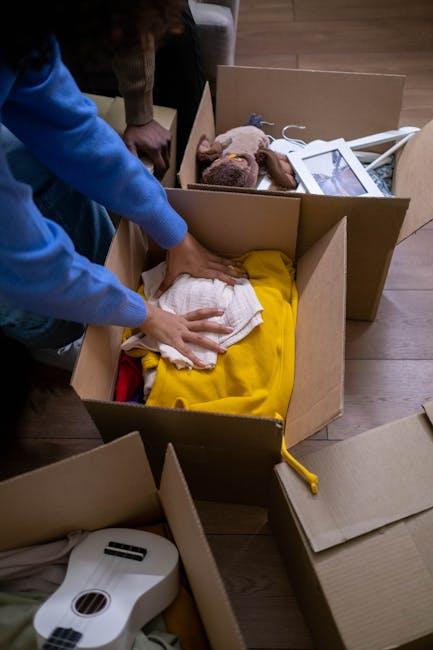
Moving to a new home is an exciting adventure, especially through the eyes of a child. But amidst the thrill of unpacking new rooms and imagining fresh memories, there’s the often overlooked challenge: packing up their beloved toys. From tiny figurines to oversized stuffed animals, organizing a child’s collection takes a bit of strategy and a lot of care. In this article, we’ll explore practical tips and thoughtful approaches to help parents and caregivers pack kids’ toys efficiently and safely, ensuring that those cherished treasures arrive ready to inspire play and comfort in a new space. Whether you’re tackling a whimsical jumble or a meticulously curated collection, these steps will turn a daunting task into a smooth, manageable part of your move.
Table of Contents
- Choosing the Right Containers for Toy Storage
- Sorting and Decluttering Before the Move
- Protecting Fragile and Electronic Toys
- Organizing by Toy Type and Child’s Preference
- Labeling for Easy Unpacking
- Involving Kids in the Packing Process
- Q&A
- Key Takeaways
Choosing the Right Containers for Toy Storage
When it comes to keeping toys safe and organized during a move, the type of container you select can make all the difference. Opt for durable plastic bins with secure lids to protect toys from dust, dirt, and moisture. Transparent bins are especially helpful, allowing you and your kids to easily spot favorites without having to open every box. Smaller containers or divided boxes work well for tiny pieces like building blocks or puzzle bits, preventing them from getting lost in the shuffle.
Consider these key features when picking containers:
- Size Variety: Use large bins for bulky items like stuffed animals and smaller ones for action figures or art supplies.
- Stackability: Containers that stack neatly save space and keep your moving truck organized.
- Labeling: Choose containers with smooth, flat surfaces that are easy to label or write on directly.
| Container Type | Best For | Key Benefit |
|---|---|---|
| Plastic Storage Bins | All toy sizes | Waterproof & stackable |
| Cardboard Boxes | Light & non-fragile items | Cost-effective & recyclable |
| Fabric Storage Bags | Stuffed animals | Lightweight & flexible |
Sorting and Decluttering Before the Move
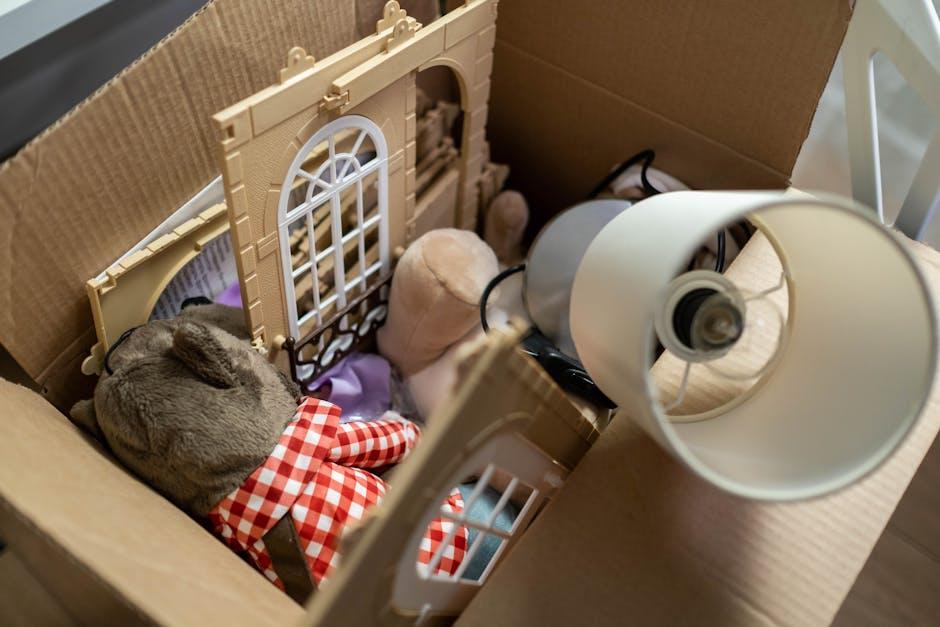
Before diving into the packing process, it’s essential to take a moment to evaluate the toys your kids actually play with versus those that have been forgotten in dusty corners. This step not only lightens the load but also makes unpacking more manageable and fun. Start by involving your children in sorting toys into categories: keep, donate, and discard. This teaches them valuable lessons about organization and generosity. Use clear bins or labeled boxes to make the selection process clear and straightforward, turning it into a fun game to decide which toys get new homes and which ones are ready for new adventures elsewhere.
Consider creating a simple sorting chart to keep track of what’s being packed, donated, or tossed. Below is a sample table that can be adapted with your child’s toys, helping maintain a visual overview and prevent last-minute packing chaos:
| Toy Type | Keep | Donate | Discard |
|---|---|---|---|
| Stuffed Animals | 5 | 3 | 1 |
| Building Blocks | 20 | 10 | 0 |
| Books | 15 | 5 | 2 |
| Art Supplies | 10 | 2 | 1 |
This approach fosters a sense of control and excitement, ensuring only cherished items make the journey to their new home while creating space for fresh memories.
Protecting Fragile and Electronic Toys
Delicate toys and electronic gadgets require extra care when preparing them for the move. Start by wrapping fragile items like porcelain dolls or miniatures in bubble wrap or soft tissue paper, ensuring every nudge during transport won’t lead to cracks or chips. For electronic toys, remove batteries to prevent corrosion and place them in individual plastic bags to avoid any potential leakage. It’s also wise to keep chargers, cables, and remote controls neatly bundled using twist ties or small pouches to prevent tangling or loss.
Organizing these sensitive toys can be simplified by using smaller boxes or containers with ample padding inside. Label each box clearly with “Fragile” and “Electronic Toys” to alert movers to handle with extra caution. Consider using separate storage compartments or dividers within a box to keep items from shifting and colliding. Here’s a quick guide to aid your packing process:
| Item Type | Best Packaging | Additional Tips |
|---|---|---|
| Fragile Figurines | Bubble wrap + small box | Fill empty spaces with crumpled paper |
| Electronic Toys | Anti-static bags + padded box | Batteries removed + label box |
| Remote Controls & Cables | Ziplock bags | Keep sets together |
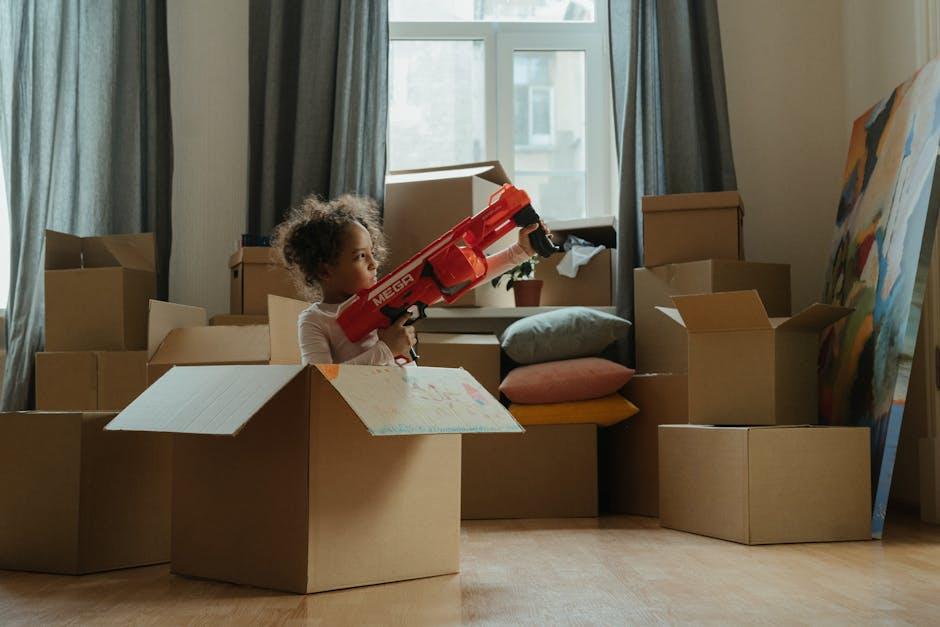
Organizing by Toy Type and Child’s Preference
When preparing your child’s toys for moving, sorting them by type can create a smoother packing process. Grouping similar items together—like building blocks, plush toys, or action figures—makes unpacking more intuitive, ensuring each toy finds its space quickly in the new home. This method also simplifies inventory management, preventing mix-ups and lost pieces during transit. Consider using labeled bins or clear storage containers to keep these groupings neat and visible, speeding up both packing and unpacking phases.
However, factoring in your child’s preferences can transform the transition into an exciting adventure rather than a chore. Setting aside a special “favorite toys” box acknowledges their attachments, giving them a sense of control and comfort. You might even involve them in the packing, helping to decide which toys go into which box. Below is a helpful guide on balancing both organization and preference:
| Category | Packing Tip | Child Involvement |
|---|---|---|
| Building Blocks | Use stackable tubs with lids | Let kids pick their favorite sets |
| Stuffed Animals | Place in vacuum-sealed bags | Choose cuddly companions to bring along |
| Art Supplies | Wrap fragile items carefully | Help pack their essential colors |
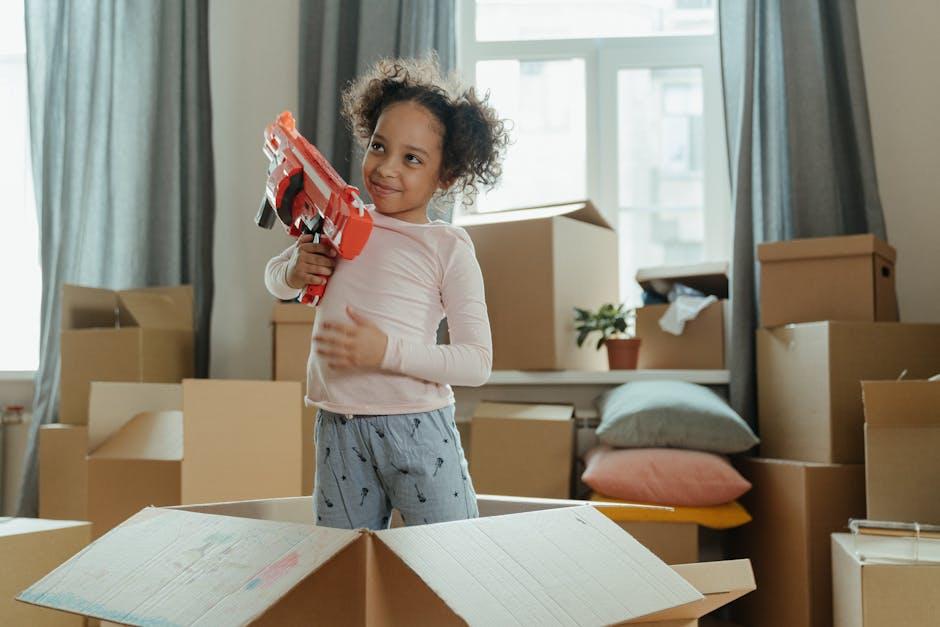
Labeling for Easy Unpacking
To make settling into your new home smoother, a clear and effective labeling system is essential. Before sealing each box, use bright-colored markers or pre-made labels to denote the contents inside. Instead of writing generic terms like “toys,” be specific: “LEGO blocks,” “Action Figures,” or “Puzzle Pieces.” This level of detail helps you or your kids quickly find their favorite items without rummaging through multiple boxes.
Consider creating a simple legend or chart to keep your labels consistent throughout the move. Here’s an example of a labeling key that can be adapted for your packing:
| Label Color | Category | Example Items |
|---|---|---|
| Red | Building Toys | Blocks, LEGOs, Construction Sets |
| Blue | Board & Puzzle Games | Jigsaw Puzzles, Chess, Monopoly |
| Green | Soft Toys | Stuffed Animals, Plush Dolls |
| Yellow | Outdoor Toys | Frisbees, Jump Ropes, Balls |
- Write large, legible labels to prevent confusion during unloading.
- Note any fragile or special-care items to prioritize them when unpacking.
- Use removable stickers on boxes if you want to adjust categories later.
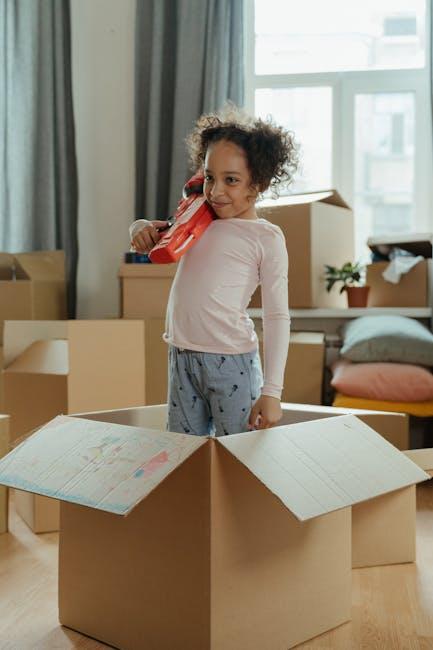
Involving Kids in the Packing Process
Encouraging children to participate in packing their toys transforms what could be a stressful task into an enjoyable adventure. Giving them little responsibilities, such as sorting favorite action figures or grouping stuffed animals by size, not only keeps them engaged but also teaches organizational skills. You can make the process fun by turning it into a game — challenge them to find all pieces of a puzzle or gather all their cars within a certain time frame.
Creating a sense of ownership over their belongings during the move helps kids feel more in control and less anxious about the upcoming change. Here are a few simple ways to involve them effectively:
- Label boxes with their drawings or stickers to personalize packing containers.
- Let them decide which toys to pack first and which can wait until the last moment.
- Use color-coded tape to help them identify their boxes easily at the new home.
Q&A
Q&A:
Q1: What’s the best way to start packing kids’ toys for a move?
A1: Begin by sorting toys into categories—stuffed animals, building blocks, art supplies, etc. This helps you organize and decide what to keep, donate, or discard. Involve your child to make the process smoother and give them a sense of control.
Q2: How can I keep small toy pieces from getting lost during the move?
A2: Use resealable plastic bags or small containers to group tiny parts, like puzzle pieces or LEGO bricks. Label each bag clearly and consider taping it inside a larger box so nothing slips through the cracks.
Q3: Should I pack toys with sentimental value differently?
A3: Absolutely. Wrap cherished toys in bubble wrap or soft clothing, then place them in a separate, clearly marked box. This way, they receive extra care and you can find them easily after moving day.
Q4: How do I keep toys from getting damaged or dirty?
A4: Choose sturdy boxes that can withstand handling. Line boxes with packing paper or soft fabric for cushioning. Avoid overpacking to prevent crushing delicate items, and seal boxes securely to keep out dust.
Q5: Is there a way to make unpacking toys fun for kids?
A5: Yes! Pack a special “First Day Box” with favorite toys and essentials. Label it clearly and unpack it first to give your child comfort and entertainment while the rest of the house is being set up.
Q6: How can I involve my kids in packing their toys?
A6: Turn packing into a game or a creative project, like “Toy Safari” where they find and pack certain types of toys. This keeps them engaged and helps reduce stress about moving.
Q7: Are there toys I should avoid packing?
A7: Avoid packing toys with batteries still inside to prevent corrosion or leaks. Remove batteries beforehand, and pack electronics separately with care.
Q8: What should I do with outdoor and messy toys?
A8: Clean outdoor toys thoroughly and let them dry before packing. For messy toys, wipe off dirt or residue, and consider wrapping them in plastic to protect other items.
Packing kids’ toys thoughtfully not only protects their treasures but also helps ease the transition to a new home for the whole family.
Key Takeaways
Packing kids’ toys for a move doesn’t have to be a chaotic quest. With a little planning, some colorful containers, and a sprinkle of patience, you can transform the process into an organized adventure. By involving your little ones and turning packing into a game, their favorite treasures will travel safely to your new home, ready to spark joy and creativity all over again. So, gather those toys, take a deep breath, and get ready to turn the page to a brand-new chapter—where every toy has its place and every smile is worth the effort. Happy moving!