Moving to a new home often signals fresh beginnings and exciting opportunities, but the process itself can quickly become a costly adventure. From packing supplies to hiring movers, expenses tend to pile up—and fast. However, relocating doesn’t have to drain your wallet or leave you stressed about finances. With a bit of ingenuity, planning, and savvy decision-making, you can navigate the moving maze without breaking the bank. In this article, we’ll explore practical strategies to help you move smartly, save money, and settle into your new space without spending a fortune.
Table of Contents
- Planning Your Move with a Budget in Mind
- Finding Affordable Packing Supplies Without Compromising Quality
- Smart Strategies for Efficient and Cost-Effective Packing
- Choosing the Right Moving Help: Friends, Professionals, or DIY
- Maximizing Savings on Transportation and Fuel Costs
- Settling In Without Breaking the Bank: Tips for a Frugal Start
- Q&A
- The Conclusion
Planning Your Move with a Budget in Mind
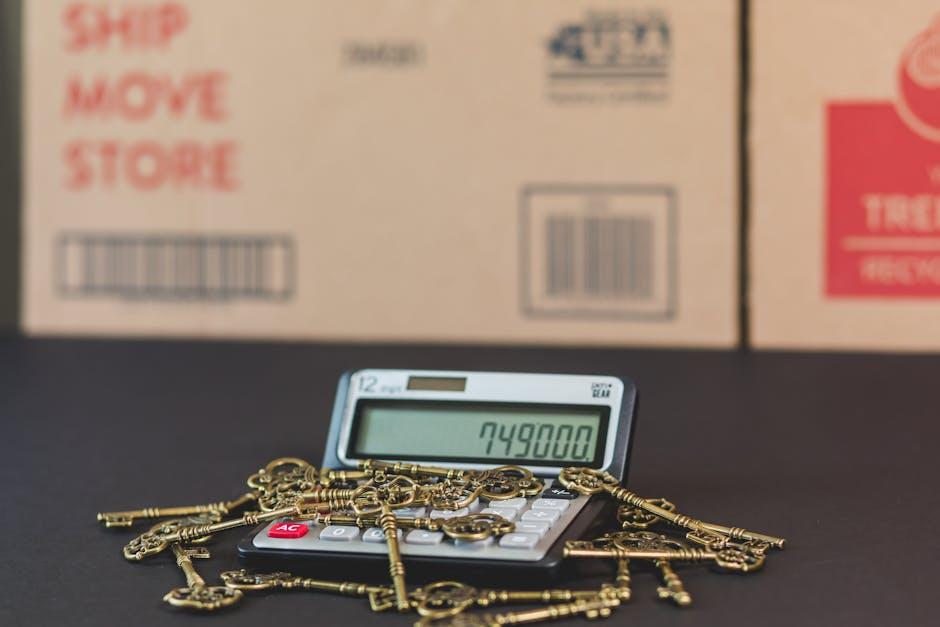
Setting a clear financial plan before you even start packing can save you from unexpected expenses and needless stress. Begin by creating a comprehensive moving budget that accounts for all foreseeable costs—from truck rental and packing supplies to potential utility deposits. Allocate a small emergency fund for any last-minute surprises. Being realistic and detailed at this stage helps you prioritize spending and identify areas where you can trim costs.
Maximize savings by leveraging resources you already have. For example, repurpose old boxes from local stores or ask friends for unused packing materials—this simple step can significantly cut supply expenses. Additionally, consider flexible moving dates; scheduling your move during off-peak times often means better rates from movers and rental companies. Planning ahead and being resourceful go hand in hand when aiming to keep your move wallet-friendly.
- List all potential expenses in a spreadsheet
- Compare prices from multiple moving companies
- Borrow or buy used packing supplies
- Schedule moves mid-week or mid-month for discounts
- Sell or donate items instead of moving everything
| Expense | Estimated Cost | Ways to Save |
|---|---|---|
| Truck Rental | $100 – $300 | Book early; use smaller truck if possible |
| Packing Supplies | $50 – $150 | Use recycled materials; buy in bulk |
| Professional Movers | $400 – $1,200 | Get multiple quotes; move off-peak |
| Utility Deposits | $0 – $200 | Transfer accounts instead of opening new ones |
Finding Affordable Packing Supplies Without Compromising Quality
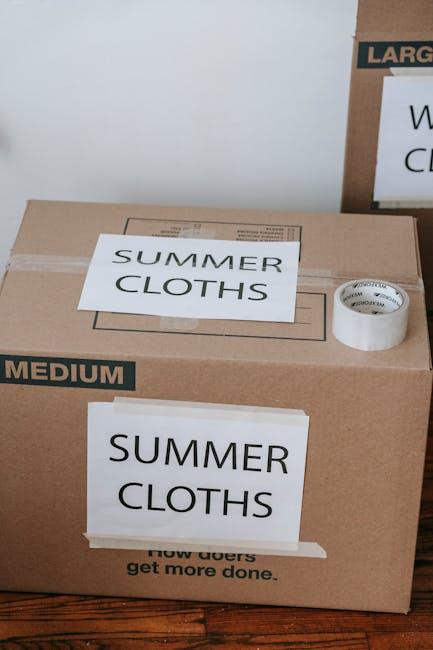
Securing the right packing supplies doesn’t have to drain your budget or sacrifice durability. Begin by exploring local resources like grocery stores, bookstores, or office supply shops, where you can often find boxes and bubble wrap for free or at a fraction of retail prices. Additionally, tapping into community resources such as online marketplaces, social media groups, or neighborhood apps can connect you with people giving away or selling used packing materials in excellent condition. Utilizing these avenues not only saves money but also promotes recycling and sustainability.
When purchasing supplies, prioritize quality over quantity to avoid the cost of damaged items during transit. Here’s a quick guide to help distinguish where to spend and where to save:
| Item | Budget-Friendly Source | Why Quality Matters |
|---|---|---|
| Boxes | Local stores, online marketplaces | Strong boxes prevent collapse; avoid overly worn ones |
| Bubble Wrap | Reused from packages, thrift stores | Cushions fragile items during transport |
| Packing Tape | Discount stores, bulk purchase | High-quality tape sticks better, prevents opening |
| Padding | Old linens, newspapers | Soft padding protects delicate surfaces |

Smart Strategies for Efficient and Cost-Effective Packing
Maximizing space and minimizing costs start with thoughtful packing techniques. Instead of purchasing expensive packing materials, look for alternatives like sturdy boxes from local stores or reuse containers you already have at home. Layer soft items such as towels or clothing between fragile belongings to provide natural cushioning, eliminating the need for bubble wrap. Additionally, rolling clothes rather than folding them not only saves room but also reduces wrinkles, making your unpacking experience more efficient and enjoyable.
Organization is key when it comes to avoiding extra expenses during your move. Label each box clearly with its contents and the room it belongs to, so movers or helpers can place items directly where they belong, saving time and potential double handling fees. Consider using a simple color-coding system with colored stickers or markers. Below is a handy guide to get you started:
| Color | Room | Example Items |
|---|---|---|
| Red | Kitchen | Utensils, Small Appliances |
| Blue | Bedroom | Clothes, Bed Linens |
| Green | Bathroom | Toiletries, Towels |
| Yellow | Living Room | Books, Electronics |

Choosing the Right Moving Help: Friends, Professionals, or DIY
Deciding who should lend a hand during your move can significantly impact both your budget and your stress levels. Turning to friends and family often seems like the most budget-friendly choice; however, their availability and experience can vary widely. While having familiar faces around might add a touch of fun to the day, it’s important to keep in mind the potential hidden costs, such as meals, drinks, or even “thank you” gifts. On the plus side, friends can help cover small, flexible tasks like packing boxes or loading smaller items, reducing your reliance on paid services.
For those looking to strike a balance, professional movers bring expertise and efficiency, ensuring heavy lifting and logistics are handled seamlessly. However, this convenience often comes with a steeper price tag. Alternatively, a DIY approach using rented trucks and self-coordinated labor can sharply cut costs but requires careful planning and plenty of muscle. Consider the following quick comparison to help you decide:
| Option | Cost | Time & Effort | Reliability |
|---|---|---|---|
| Friends & Family | Low | Moderate to High | Variable |
| Professional Movers | High | Low | High |
| DIY (Rent & Self-Load) | Moderate | High | Depends on Planner |

Maximizing Savings on Transportation and Fuel Costs
When planning your move, transportation and fuel expenses can quickly add up, but savvy strategies can help you keep these costs in check. Consider borrowing a moving truck from a friend or renting one only for the days you absolutely need it. Opting for compact vehicles or fuel-efficient trucks will also drastically cut fuel consumption. For smaller loads, explore local delivery services or even peer-to-peer sharing apps where you can rent a vehicle from community members at a fraction of commercial prices.
Additionally, meticulous route planning can save both time and gas. Use navigation apps to avoid traffic jams and find the shortest paths between stops. If you’re moving multiple trips, plan each one to maximize cargo space and minimize empty returns. Here’s a quick cost-saving checklist to keep in mind:
- Fill up when prices are lowest: watch for cheaper gas stations or optimal times to refuel.
- Pack efficiently: fewer trips mean less driving and fuel usage.
- Carpool or share rides: transport heavy items with friends or neighbors moving similar distances.

Settling In Without Breaking the Bank: Tips for a Frugal Start
Embracing your new home doesn’t have to drain your wallet. Start by prioritizing essentials and delaying the purchase of non-urgent items. Focus on creating a comfortable space with what you already own or can acquire inexpensively. Consider browsing local online marketplaces or community swap groups for gently used furniture and decor. Additionally, embrace the art of DIY upgrades—a fresh coat of paint or repurposing old items can breathe life into your new environment without costly investments.
Budget-friendly habits will make all the difference during your settling-in phase. Here are a few smart moves to keep expenses low:
- Meal prep and home cooking: Avoid eating out by planning simple, nutritious meals.
- Use targeted memberships: Gyms or clubs offering trial memberships can help keep leisure costs down.
- Utilize local resources: Libraries, parks, and community centers offer entertainment and learning without a price tag.
| Item | Cost-saving Tip |
|---|---|
| Furniture | Check thrift stores & online swaps |
| Utilities | Opt for energy-saving plans & bundling |
| Internet | Negotiate for introductory rates or discounts |
| Groceries | Buy in bulk & use coupons |
Q&A
Q&A:
Q: What is the first step to planning a budget-friendly move?
A: Start by creating a detailed moving checklist and budget. Knowing what needs to be done and how much you can realistically spend helps you avoid last-minute expenses and stay on track financially.
Q: How can I save money on packing supplies?
A: Instead of buying new boxes, collect free ones from grocery stores, liquor shops, or friends who recently moved. Use household items like towels and clothing as padding, and recycle newspapers instead of bubble wrap.
Q: Is it cheaper to hire movers or do it myself?
A: It depends on your situation. Moving yourself with the help of friends and renting a truck can cut costs significantly, but it requires more time and effort. For larger or long-distance moves, compare quotes from several movers and look for discounts or off-peak rates.
Q: Can timing affect the cost of moving?
A: Absolutely. Moving during off-peak seasons (fall or winter) or mid-week can lower prices. Avoid weekends and month-ends when demand and rates tend to spike.
Q: Are there ways to offset moving expenses?
A: Yes! Sell or donate items you no longer need to lighten your load and possibly earn some cash. Also, look into employer relocation assistance or local community resources that might offer moving help.
Q: What are some creative hacks for reducing moving day stress and cost?
A: Plan meals ahead using up perishable food to avoid waste, label boxes by room to speed up unpacking, and enlist friends with rewards like pizza or a movie night instead of cash payment. Planning makes the process smoother and cheaper.
Q: How do I avoid hidden moving costs?
A: Read contracts carefully, ask movers about all fees upfront (fuel, stairs, heavy items), and keep receipts for supplies and rentals to track spending. Transparency prevents unpleasant surprises.
Q: What’s the best way to keep things organized during a low-budget move?
A: Use color-coded labels, maintain an inventory list, and designate a “first-night” box with essentials. Organization saves time and reduces costs caused by lost or damaged items.
Q: Can technology help make moving more affordable?
A: Definitely! Use apps and websites to compare truck rentals, find free packing supplies, or connect with local helpers. Digital tools streamline the process and help you snag the best deals.
Moving doesn’t have to break the bank. With planning, creativity, and resourcefulness, you can relocate on a dime and still make your next chapter exciting and hassle-free.
The Conclusion
Moving doesn’t have to drain your wallet or your energy. With a bit of planning, creativity, and a touch of resourcefulness, you can navigate the chaos without breaking the bank. Remember, it’s not just about spending less—it’s about spending smart. So pack your patience, map out your moves, and embrace the adventure ahead. Your new home (and your budget) will thank you.