Moving day is a whirlwind of boxes, bubble wrap, and last-minute logistics—a day that can quickly overwhelm even the most organized family. For kids, it can feel like a confusing mix of disruption and excitement, with routines upended and familiar spaces suddenly packed away. Keeping little hands and curious minds occupied amidst the chaos is key to making the transition smoother for everyone. Whether you’re navigating a cross-country move or just shifting a few blocks, having a plan to engage your kids can turn moving day from a stressful scramble into a more manageable, even memorable, experience. Here’s how to keep your children happily busy while the pieces of your old life are packed up and the new adventure awaits.
Table of Contents
- Preparing Kids for the Big Day with Simple Pre-Move Activities
- Creating a Personalized Moving Day Kit to Keep Children Engaged
- Incorporating Fun and Learning Through Interactive Packing Games
- Designating Safe and Stimulating Play Zones During the Move
- Choosing Screen Time Wisely to Balance Entertainment and Calm
- Encouraging Responsibilities with Age-Appropriate Moving Tasks
- Q&A
- To Wrap It Up
Preparing Kids for the Big Day with Simple Pre-Move Activities
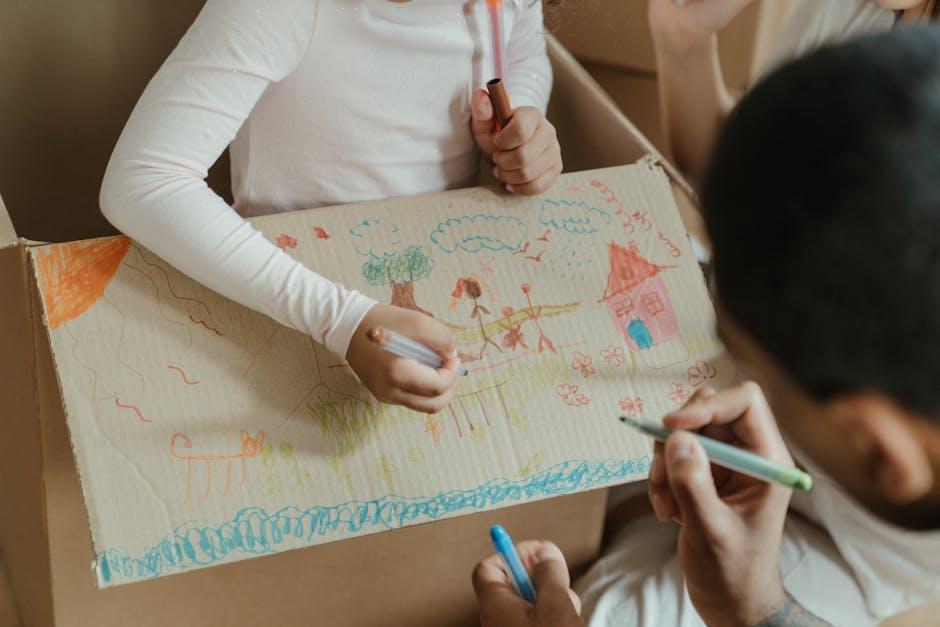
Engaging children in simple, hands-on activities before moving day can transform their anxious energy into excitement. Encourage them to create a “Moving Box Checklist” where they decorate and label small boxes with items like toys, books, and clothes. This not only gives them a sense of responsibility but also makes the packing process a fun art project. Additionally, organizing a treasure hunt around the house to find items that need to be packed can spark curiosity and keep them actively involved without feeling overwhelmed.
Another effective pre-move activity is to design a “Moving Day Survival Kit” together. Include essentials such as snacks, coloring books, headphones, and a favorite stuffed toy. This personalized kit can provide comfort and a distraction when the chaos of moving kicks in. Here’s a quick table to help plan what to include in the kit:
| Category | Suggested Items |
|---|---|
| Entertainment | Coloring books, crayons, tablet with games |
| Comfort | Favorite stuffed animal, blanket |
| Snacks | Healthy bars, fruit, water bottle |
| Practical | Headphones, small notebook, pens |
- Set aside time for these activities days before the move to build excitement.
- Involve kids in decision-making to make them feel valued.
- Keep instructions simple and encourage creativity.
Creating a Personalized Moving Day Kit to Keep Children Engaged
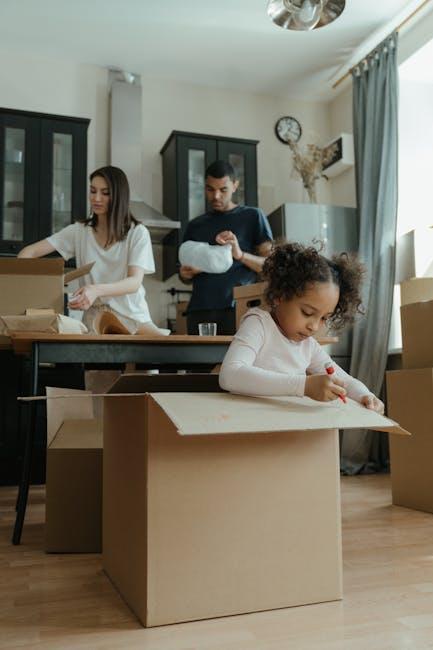
Start by assembling a moving day kit that feels like a mini adventure bag designed just for your little ones. Include a variety of small, engaging activities that spark curiosity and creativity, such as coloring books with crayons, sticker sheets, puzzle games, and a favorite storybook. Adding a few new surprises, like a small craft project or a travel-size board game, can also help keep things fresh and exciting. Remember to tailor the contents to your child’s interests to make the kit irresistibly engaging.
Organize the items in a colorful, easy-to-carry container or backpack. This not only creates a sense of ownership but also helps your child independently manage their entertainment. You can even create a simple schedule or checklist within the kit to guide them through activities, providing structure during the busy moving day. Below is an example of how you might organize your kit contents for quick reference:
| Item | Purpose | Suggested Age |
|---|---|---|
| Coloring Book & Crayons | Encourages creativity and fine motor skills | 3-10 years |
| Sticker Sheets | Interactive and fun, promotes imagination | 3-8 years |
| Puzzle Game | Problem-solving and focus | 5-12 years |
| Storybook | Calming activity and language development | Any age |
| Craft Project Kit | Hands-on creativity | 6-12 years |

Incorporating Fun and Learning Through Interactive Packing Games
Transforming the chaos of packing into an engaging and educational experience can turn moving day into a memorable adventure for kids. By introducing interactive games that challenge their sorting and organizing skills, children become active participants rather than passive bystanders. Encourage them to sort items by color, size, or category, turning the task into a playful scavenger hunt. This not only keeps their minds occupied but also sharpens their cognitive abilities and attention to detail. A simple game like “Packing Bingo,” where kids check off items as they pack them, can inject excitement and a sense of accomplishment as they watch their checklist shrink.
To make the experience even more dynamic, create a fun reward system that motivates continued engagement. Here are some ideas to inspire you:
- Timed Challenges: Who can pack their assigned items fastest and most carefully?
- Storytelling Boxes: Pack a box themed around a story or favorite character, enticing creativity.
- Color Coordination: Match packing materials or tape colors with specific boxes for visual learning.
| Game | Skill Developed | Materials Needed |
|---|---|---|
| Packing Bingo | Observation, Categorization | Checklist, Marker |
| Box Storytime | Creativity, Organization | Decorations, Items for Story |
| Color Match | Visual Learning, Sorting | Colored Tape, Boxes |
With these playful packing strategies, kids gain a hands-on understanding of organization while staying entertained, ultimately easing the moving day’s stress for everyone involved.
Designating Safe and Stimulating Play Zones During the Move
Creating dedicated play areas that cater to both safety and engagement can transform moving day from chaotic to controlled. Choose spots away from heavy traffic and fragile boxes where kids can explore without constant supervision. Equip these zones with soft mats or blankets to cushion any tumbles and stock them with a variety of toys, puzzles, and coloring supplies. This not only captures their attention but also encourages independent play, providing you the breathing room to focus on packing and logistics.
Consider incorporating:
- Interactive books or audiobooks for quiet storytelling
- Building blocks or magnetic tiles for creative construction
- Simple art kits that ignite imagination
- Favorite plush toys for comfort and familiarity
To keep things organized, a simple table chart with a schedule can help children know what activities to expect and when it’s time for snack or a quick break. Routine elements woven into this new chaos provide a sense of normalcy and reassurance that moving day doesn’t mean a total upheaval of their world.
| Time | Activity | Supplies Needed |
|---|---|---|
| 9:00 AM | Storytime | Books, comfy pillow |
| 10:00 AM | Block Building | Blocks, play mat |
| 11:00 AM | Arts and Crafts | Crayons, coloring sheets |
| 12:00 PM | Snack Break | Healthy snacks, water |
Choosing Screen Time Wisely to Balance Entertainment and Calm
During the hustle and bustle of moving day, it’s essential to strike a thoughtful balance between keeping kids entertained and maintaining a peaceful environment. While screens can be a convenient distraction, choosing the right type of content and limiting screen time can support both their curiosity and calmness. Opt for interactive educational apps or short, engaging videos instead of passive viewing, allowing children to explore and learn while remaining quietly occupied. Setting clear time boundaries helps prevent overstimulation, making transitions smoother for everyone involved.
Consider creating a simple schedule or chart that mixes short bursts of screen use with activities promoting relaxation and creativity. For example, kids can watch one episode of a favorite show, then enjoy a quiet craft or read a book. Here’s a quick guide to balance screen time effectively during moving day:
| Activity Type | Ideal Duration | Purpose |
|---|---|---|
| Interactive Learning App | 15–20 minutes | Engagement & Skill Building |
| Short Video or Cartoon | 10–15 minutes | Entertainment & Distraction |
| Quiet Craft or Drawing | 15–20 minutes | Calmness & Creativity |
| Storytime or Reading | 10 minutes | Relaxation & Focus |
Balancing these moments helps kids feel occupied without overwhelming them, allowing moving day energy to flow in a calm and controlled way. This mindful approach also gives parents breathing room to manage packing and logistics with less distraction and stress.
Encouraging Responsibilities with Age-Appropriate Moving Tasks
Children thrive when given responsibilities that match their growing abilities, turning moving day into an engaging adventure rather than just a chaotic chore. Assigning age-appropriate tasks not only fosters independence but also instills a sense of accomplishment. For younger kids, simple jobs like packing their own toys or labeling boxes with colorful stickers can make them feel involved and important. Older children, meanwhile, might enjoy helping to dismantle furniture, managing small boxes, or overseeing the inventory of their own belongings.
Creating a clear structure for responsibilities can help keep the energy positive and the process smooth. Consider using a family moving checklist like the one below to divide tasks effectively:
| Age Group | Suggested Tasks |
|---|---|
| 3-5 years |
|
| 6-9 years |
|
| 10+ years |
|
By matching their tasks to their abilities and interests, you empower your kids to contribute meaningfully while keeping them engaged throughout moving day.
Q&A
Q&A:
Q: Why is it important to keep kids busy on moving day?
A: Moving day can be chaotic and stressful, especially for children. Keeping kids busy helps reduce their anxiety, prevents accidents, and allows parents to focus on the tasks at hand without constant interruptions.
Q: What types of activities work best to engage children during a move?
A: Creative and independent activities work wonders. Examples include coloring books, puzzles, or building blocks. Activities that don’t require much screen time are ideal, as they encourage imagination and limit distractions.
Q: Can involving kids in the moving process help keep them entertained?
A: Absolutely! Giving kids small, age-appropriate jobs like labeling boxes, packing their own toys, or creating a “moving day treasure hunt” can make them feel helpful and involved, turning the day into a fun adventure.
Q: How can parents prepare kids ahead of moving day to keep them calm and engaged?
A: Preparing kids in advance by talking about the move, showing pictures of the new home, and packing a special “moving day bag” with their favorite items can ease their worries and keep them focused on the excitement ahead.
Q: What can parents do if babies or toddlers are part of the moving mix?
A: For younger children, setting up a cozy play area with safe toys, snacks, and comfort items is key. Enlisting a trusted friend or family member to watch over toddlers during critical moving moments can also provide peace of mind.
Q: Are there any safety tips for keeping kids safe and busy during the hustle of moving?
A: Safety first! Keep kids away from heavy lifting zones, sharp objects, and packing materials like bubble wrap or tape dispensers. Clearly mark off “kid-free” zones and supervise closely, ensuring their activities stay in safe areas.
Q: What’s a simple but effective way to reward kids for their patience on moving day?
A: A small reward like a special treat, a family movie night, or a new toy unpacked first can motivate kids and give them something positive to look forward to amidst all the change.
Keeping kids busy and calm on moving day doesn’t have to be a challenge. With a blend of preparation, involvement, and creative distractions, the whole family can move smoothly—and maybe even have a little fun along the way!
To Wrap It Up
Moving day can feel like a whirlwind, especially when little ones are swirling around with boundless energy. But with a sprinkle of planning and a dash of creativity, you can turn the chaos into adventure—keeping kids entertained and hands busy, while the grown-ups tackle the big tasks. Remember, a well-engaged child not only eases the stress but also makes the whole moving experience a memorable chapter in your family’s story. So pack those activity kits, prep a few fun distractions, and embrace the journey—because even moving day can be a day full of smiles and surprises.

