Moving can feel like embarking on a grand adventure, but the journey can quickly take a turn for the worse if your cherished furniture arrives scratched, dented, or worse. Protecting your pieces requires more than just tossing them into boxes and crossing your fingers. Thoughtful packing transforms the chaos of relocation into a smooth transition, ensuring your furniture reaches its new home unscathed. In this article, we’ll explore practical and creative packing tips designed to safeguard your furniture, helping you avoid common pitfalls and preserve the beauty and functionality of your favorite items.
Table of Contents
- Choosing the Right Packing Materials for Furniture Protection
- Preparing Furniture Surfaces to Prevent Scratches and Dents
- Techniques for Wrapping and Securing Different Types of Furniture
- Disassembling Furniture to Minimize Damage During Transit
- Strategic Loading and Placement in Moving Vehicles
- Final Checks and Safety Measures Before Moving Day
- Q&A
- Concluding Remarks
Choosing the Right Packing Materials for Furniture Protection
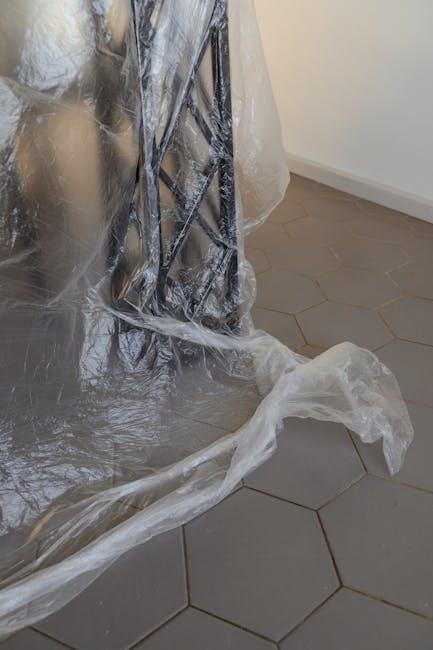
When preparing your furniture for a move or storage, selecting the correct packing materials is crucial to prevent any damage. Start by investing in high-quality bubble wrap, which provides a versatile cushion while remaining lightweight. For heavy or delicate items, moving blankets offer excellent padding and can protect surfaces from scratches and dents. Don’t overlook the power of corrugated cardboard sheets to reinforce vulnerable edges, especially for items like glass tabletops or carved wood. To seal boxes and secure wrapped items, use strong packing tape that won’t easily come undone during transit.
Consider the unique needs of your furniture’s material and design when sourcing packing supplies. Soft, porous materials like fabric sofas benefit from plastic wrap to guard against moisture and dust, while wooden pieces need breathable options to avoid humidity buildup. Below is a quick reference guide to match packing materials with different furniture types:
| Furniture Type | Recommended Packing Material | Purpose |
|---|---|---|
| Wooden Tables | Corrugated Cardboard, Moving Blankets | Shock absorption, scratch protection |
| Glass Surfaces | Bubble Wrap, Cardboard Sheets | Impact cushioning |
| Upholstered Chairs | Plastic Wrap, Moving Blankets | Moisture barrier, clean surface |
| Antique Furniture | Soft Wrap, Custom Crates | Extra cushioning, stability |
Preparing Furniture Surfaces to Prevent Scratches and Dents
Before wrapping or moving your furniture, taking the time to properly prepare each surface can save you from costly repairs later. Start by cleaning all pieces with a soft, damp cloth to remove dust and debris that could cause abrasions during transport. Next, for delicate finishes or polished wood, consider applying a thin layer of wax or a protective spray to minimize surface damage. Using painter’s tape or adhesive felt pads on corners and edges provides an extra layer of cushioning, absorbing shocks and preventing dents from bumps.
Protecting furniture surfaces is not just about materials but also about strategic coverage. Use thick moving blankets or bubble wrap to encase larger areas and secure them with stretch wrap for stability. Don’t forget to pad hinges, drawer handles, and exposed hardware separately to avoid scratches or snap-offs. Below is a helpful guide to the best materials and their ideal uses:
| Material | Best For | Key Benefit |
|---|---|---|
| Moving Blankets | Large wooden surfaces, tables | Heavy cushioning and scratch protection |
| Bubble Wrap | Glass, mirrors, and delicate finishes | Shock absorption and impact resistance |
| Adhesive Felt Pads | Corners, edges, and furniture legs | Prevents dents and scuff marks |
| Painter’s Tape | Delicate finishes, painted wood | Non-residue protection and secure wrapping |
Techniques for Wrapping and Securing Different Types of Furniture
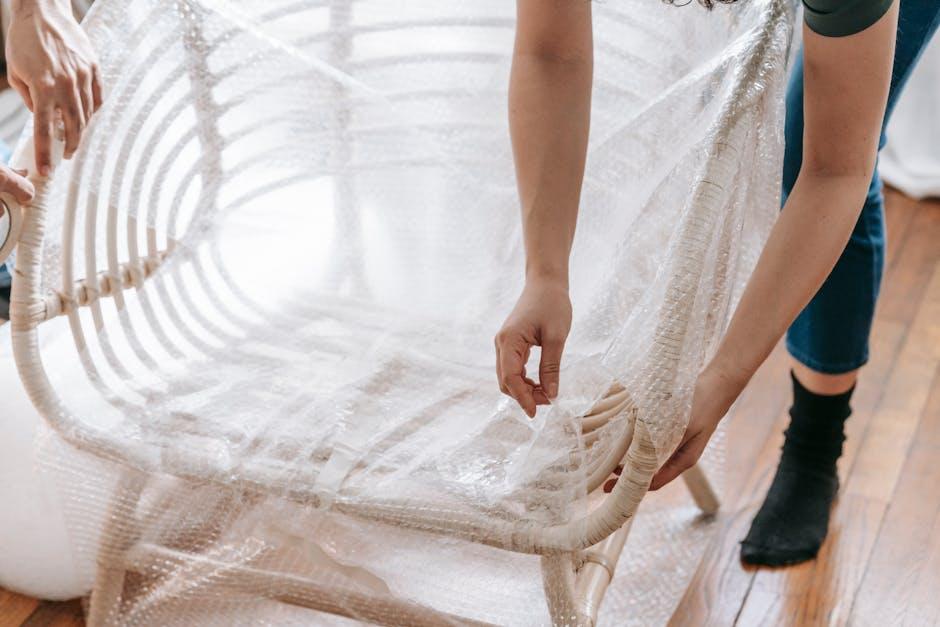
When preparing your furniture for a move, using the right wrapping materials for each piece can make all the difference. For delicate wooden tables and cabinets, start with a layer of soft furniture blankets to cushion the surfaces. Next, wrap with plastic stretch film to hold the blankets in place and protect against moisture. Upholstered furniture like sofas and chairs require tight but gentle wrapping: use breathable covers or old sheets to avoid trapping dampness, then secure them with packing tape or straps to prevent shifting during transit. Mirrors and glass surfaces should always be cushioned with bubble wrap, focusing on the corners, and then encased in cardboard or specialized mirror boxes.
Securing furniture properly is equally important to prevent damage from movement. Use ratchet straps or heavy-duty bungee cords to anchor larger pieces inside the moving truck, ensuring stability. Smaller items, such as end tables or stools, benefit from being nested inside larger furniture when possible and tied together to keep their position. Consider labeling each wrapped item with a color-coded system to streamline unloading and reduce handling errors. Here’s a quick reference table to match furniture types with optimal wrapping methods:
| Furniture Type | Preferred Wrapping | Securing Method |
|---|---|---|
| Wooden Tables | Furniture blankets + plastic film | Ratchet straps |
| Upholstered Sofas | Breathable covers or sheets | Packing tape & straps |
| Glass Surfaces | Bubble wrap + cardboard | Custom boxes |
| Small Side Tables | Blankets or padding | Tied and nested |
Disassembling Furniture to Minimize Damage During Transit
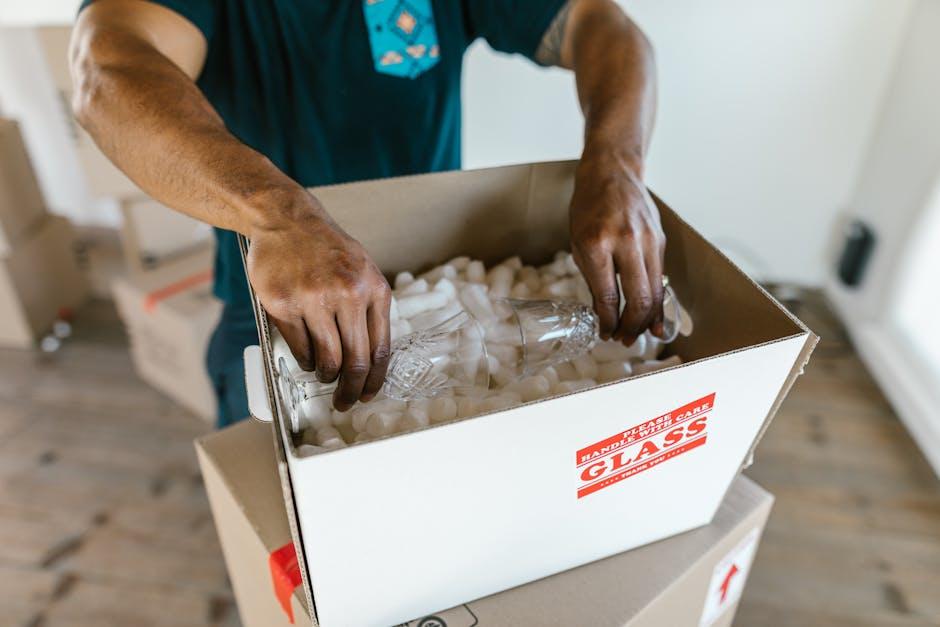
When preparing to move, breaking down your furniture into smaller parts isn’t just a timesaver—it’s a powerful method to protect your belongings from damage. Taking apart pieces such as bed frames, tables, and shelving units reduces their exposure to bumps and scrapes during transit. Make sure to keep all screws, bolts, and small components in labeled bags, so reassembly becomes hassle-free. Using clear labels like “Table Legs – Living Room” or “Bed Frame Bolts” adds an extra layer of organization, ensuring you won’t lose track of essential hardware.
Before disassembling, consider creating a simple roadmap for each piece. Here’s a handy table layout that can help track steps and parts:
| Furniture Piece | Parts Removed | Hardware Type | Storage Method |
|---|---|---|---|
| Dining Table | Legs, tabletop | Screws, washers | Labeled zip-lock bags |
| Bookshelf | Shelves, backing | Nails, brackets | Small boxes with labels |
| Bed Frame | Headboard, slats | Bolts, nuts | Plastic container |
After disassembly, wrap each component carefully with bubble wrap or moving blankets, focusing especially on corners and edges. This little extra precaution shields your furniture from scratches and cracks while it’s on the move.

Strategic Loading and Placement in Moving Vehicles
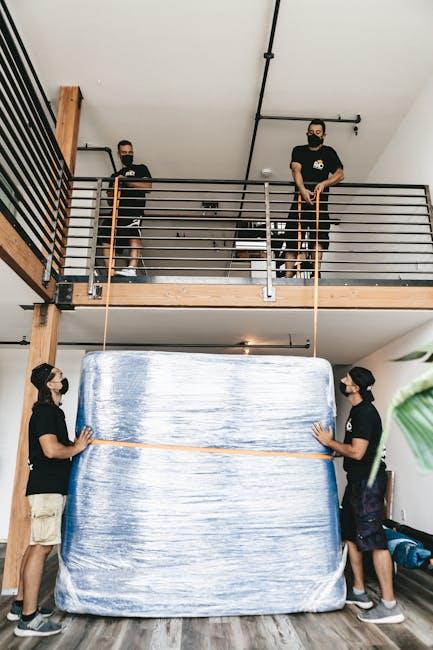
Maximizing space while protecting your furniture requires a methodical approach to how items are loaded inside moving trucks or vans. Start by positioning the heaviest pieces along the walls of the vehicle to create a solid foundation that prevents shifting during transit. Use soft padding or moving blankets between furniture to cushion against impact, and always load bulky, less delicate items first, filling gaps with lighter, fragile pieces packed securely in boxes or wrapped carefully. This balance of weight distribution minimizes pressure points that could cause damage and ensures each piece remains stable throughout the journey.
Consider creating zones within the vehicle based on item fragility and size. Fragile items should be loaded last and positioned towards the center, away from doors or external walls where vibrations and bumps are most intense. Utilize vertical space effectively by stacking chairs upside down on tables or filling drawers with smaller loose items, then securing everything with straps or ropes to prevent movement. Below is a simple guide to vehicle loading priorities to help you organize with care:
| Priority | Type of Items | Placement Tips |
|---|---|---|
| 1 | Heavy Furniture | Against walls, bottom layer |
| 2 | Medium-sized Boxes | Mid-layer, fill spaces |
| 3 | Fragile Items | Center, top, well-padded |
Final Checks and Safety Measures Before Moving Day
Before the moving truck arrives, it’s essential to conduct a thorough walkthrough of all packed furniture to ensure everything is secure and protected. Start by double-checking that delicate items are well-padded with bubble wrap or furniture blankets, and confirm that heavy pieces are clearly labeled as fragile or heavy to avoid mishandling. Create a checklist that includes:
- Inspection of all corners and edges covered with foam or padding
- Verification that drawers and doors are secured shut or removed
- Ensuring no items are left loose inside sofas or cabinets
- Clear marking of assembled and disassembled furniture parts
Additionally, safety measures extend beyond packing alone. Arrange the moving path free of obstacles, and communicate clearly with the moving team about any special handling requirements. Use a sturdy dolly or moving straps for bulky items to prevent injuries and damage during transit. Here’s a quick reference for proper handling techniques:
| Furniture Type | Recommended Handling | Protective Gear |
|---|---|---|
| Wooden Tables | Disassemble legs, wrap surface | Furniture blankets, padding foam |
| Upholstered Chairs | Cover with plastic wrap | Stretch wrap, corner protectors |
| Glass Cabinets | Disassemble doors, wrap inside/outside | Bubble wrap, moving straps |
Q&A
Q: What is the most important step to protect furniture during a move?
A: The foundation of safeguarding your furniture lies in proper wrapping. Use thick moving blankets or bubble wrap to cushion surfaces and corners. This not only prevents scratches but also absorbs shocks during transit.
Q: How can I prevent wooden furniture from warping or cracking?
A: Avoid exposing wooden pieces to extreme temperatures or moisture. Wrap them in breathable materials like moving blankets rather than plastic wrap alone, which can trap moisture and cause damage. Also, remove drawers and doors to reduce pressure on joints.
Q: Are there special packing materials recommended for fragile furniture parts?
A: Absolutely. For glass panels, cabinet doors, or mirror inserts, use corrugated cardboard or layer bubble wrap combined with foam corner protectors. Securing these with tape (not too tight) ensures they stay intact without undue pressure.
Q: How should I disassemble furniture to minimize damage?
A: Take apart furniture where possible, keeping screws, bolts, and small parts labeled in sealed bags taped to the corresponding item. This reduces strain on joints and lowers the risk of breakage during handling.
Q: What’s the best way to load furniture in a moving truck?
A: Load heavier, sturdier items like dressers and sofas first, placing them against the walls of the truck for stability. Fill gaps with smaller, well-packed items to prevent shifting, and avoid stacking heavy pieces on top of delicate ones.
Q: Can DIY packing techniques be effective or is professional packing necessary?
A: Both can work well depending on your skills and the furniture’s value. DIY packing with quality materials and careful planning often suffices, but professional packers bring expertise and specialized equipment, offering extra peace of mind for valuable or antique pieces.
Q: How do I handle upholstery and leather furniture during a move?
A: Clean and dry the fabric or leather before packing. Use breathable covers or stretch wrap to protect upholstery from dirt and moisture, but avoid airtight plastics that could foster mold growth.
Q: Any tips for protecting furniture legs and feet?
A: Cushion legs with bubble wrap or foam pipe insulation, securing them with tape or rubber bands. This helps prevent scuffs and splinters, especially when pieces are being stacked or maneuvered in tight spaces.
Q: Should I insure my furniture during a move?
A: Insurance is a smart precaution, particularly for valuable items. Check your mover’s coverage and consider additional insurance to cover potential damages that packing alone might not prevent.
Q: What common mistakes should be avoided when packing furniture?
A: Never rush the wrapping process or use inadequate materials like newspaper without proper padding underneath. Avoid stacking heavy items atop fragile ones, and don’t forget to label wrapped pieces to ensure careful handling. Taking your time and planning ahead is key to preventing costly damages.
Concluding Remarks
In the end, safeguarding your furniture during a move is less about luck and more about thoughtful preparation. With the right packing techniques, quality materials, and a bit of patience, you can ensure your cherished pieces arrive at their new home just as beautiful as when they left. So, pack smart, wrap well, and let your furniture tell the story of a smooth journey, not a rough ride.