Moving day—a whirlwind of boxes, labels, and last-minute scrambles—often feels like trying to solve a puzzle while riding a rollercoaster. Amid the excitement of new beginnings, it’s easy to get overwhelmed by the chaos. But what if moving day could be less about stress and more about smooth transitions? In this article, we’ll explore practical strategies and clever tips to help you stay calm, organized, and in control, turning that daunting day into a manageable—and even rewarding—experience. Whether you’re moving across town or across the country, making moving day less stressful is within your reach.
Table of Contents
- Preparing Your Moving Checklist for Seamless Organization
- Packing Strategies That Save Time and Reduce Chaos
- Tips for Hiring Reliable Movers and What to Ask Them
- Creating a Calm Environment on Moving Day
- Managing Unexpected Challenges with Flexibility and Patience
- Settling In Smoothly to Your New Space Without Overwhelm
- Q&A
- Insights and Conclusions
Preparing Your Moving Checklist for Seamless Organization
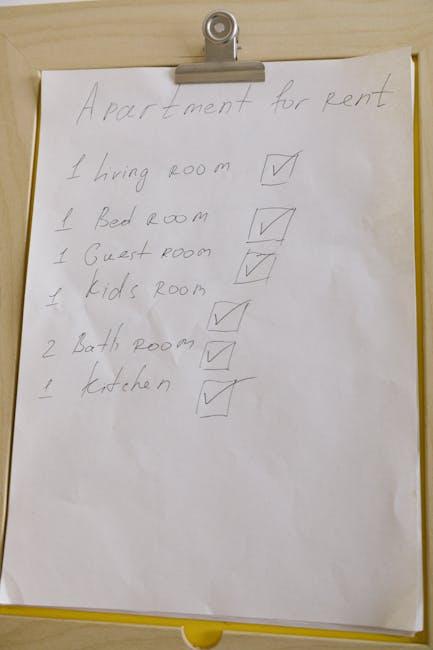
Creating a detailed moving checklist is essential to keeping everything on track during one of life’s busiest times. Start by breaking down tasks by weeks or days leading up to the big event. This helps avoid last-minute panic and ensures every small detail, from packing fragile items to scheduling utility disconnections, is accounted for. Use a flexible format—whether digital or handwritten—that allows you to check off completed tasks and add new ones as needed.
Consider organizing your checklist with the following categories to maximize clarity and control:
- Packing Tasks: Box fragile items, label containers, and gather packing supplies.
- Logistics: Confirm movers, reserve trucks, and set up temporary storage if necessary.
- Household Management: Cancel subscriptions, change addresses, and schedule cleaning services.
- Essentials for Moving Day: Prepare a bag with important documents, snacks, and basic tools.
| Task Category | Example Tasks |
|---|---|
| Packing | Label boxes, wrap valuables |
| Logistics | Confirm moving date, book elevator |
| Household | Forward mail, cancel utilities |
| Essentials | Pack toolkit, prepare snacks |

Packing Strategies That Save Time and Reduce Chaos

Tips for Hiring Reliable Movers and What to Ask Them
Finding movers you can trust is crucial to a seamless transition. Start by researching companies with solid reviews and verifying their credentials. Trustworthy movers will be transparent about their licensing, insurance, and experience. Don’t hesitate to ask for references or even visit their office if possible. Reliable movers understand the importance of communication and punctuality, so pay attention to how responsive and clear they are from your first interaction. A little diligence upfront can save you from unexpected headaches on moving day.
When speaking with potential moving companies, make sure you cover all necessary questions to avoid surprises. Here are some essential points to discuss:
- Pricing structure: Clarify if quotes are binding and what additional fees might apply.
- Insurance coverage: Understand the extent of protection offered and ask about options for extra coverage.
- Packing services: Find out if they provide packing, unpacking, or supply materials.
- Scheduling flexibility: Check their availability and policies for any date changes.
- Claims process: Know the steps to follow if items are damaged or lost during the move.
| Question | Why It Matters |
|---|---|
| Are your movers employees or subcontractors? | Ensures accountability and quality control |
| What is your cancellation policy? | Prevent last-minute charges or confusion |
| Can you provide a written estimate? | Helps avoid unexpected costs |
| Do you offer storage services? | Useful for flexible moving timelines |
Creating a Calm Environment on Moving Day
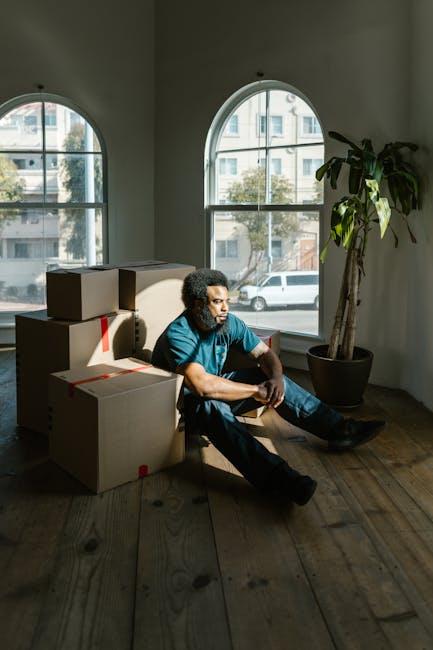
Start by designating a quiet zone away from the hustle and bustle, where you and your family can retreat whenever the noise and commotion become overwhelming. Stock this space with calming essentials like water, snacks, soothing music, and comfortable seating. Keeping a few familiar items around—such as a favorite book or a soft blanket—can help everyone feel grounded amidst the chaos.
In addition, implement a simple set of calming rituals to keep nerves in check. Consider incorporating:
- Deep breathing exercises during short breaks
- Mindful moments to focus on progress rather than stress
- Scheduled hydration and snack times to maintain energy levels
| Calm-Boosting Tip | Why It Helps |
|---|---|
| Soft lighting | Reduces harsh glare and creates a cozy atmosphere |
| Essential oils | Infuses the air with calming scents like lavender |
| Clear pathways | Prevents accidents, easing tension |

Managing Unexpected Challenges with Flexibility and Patience
When the unexpected happens on moving day, the key to maintaining your sanity lies in your attitude. Keep a flexible mindset by anticipating that not everything will go according to plan. If a delay occurs or an item gets misplaced, take a deep breath and reframe the situation as part of the adventure — not a setback. Patience is not just a virtue; it’s a survival tool during moves. Encourage everyone involved to stay calm and communicate clearly, which often diffuses tension and prevents misunderstandings. Embrace the unpredictability by having a backup plan but also being ready to adapt it seamlessly.
Here are some practical tips to stay composed when things don’t go as expected:
- Prepare an essentials kit: Include snacks, water, important documents, and phone chargers to keep things running smoothly on the spot.
- Allocate buffer time: Build in extra hours between tasks to handle unforeseen delays without stress.
- Assign a point person: Designate a calm individual to troubleshoot problems and keep communication lines open.
- Keep humor alive: Lighten the mood by seeing humor in small mishaps — it reduces stress and brings people together.
| Challenge | Flexible Response | Patience Practice |
|---|---|---|
| Lost keys | Retrace steps calmly | Take deep breaths |
| Delayed movers | Shift to sorting or labeling boxes | Engage in light conversation |
| Broken furniture | Set aside broken pieces for repair | Visualize the new home’s positives |

Settling In Smoothly to Your New Space Without Overwhelm
Unpacking a new home can feel like a marathon, but approaching it with a thoughtful plan transforms chaos into calm. Start by unpacking essentials first—think bedding, toiletries, and basic kitchen tools. Creating a “first-night” box ensures you won’t be searching for the basics in a sea of boxes. Next, break down the unpacking process room by room, rather than trying to conquer the whole house in one go. This step-by-step approach not only makes the task less daunting but also allows you to enjoy the satisfaction of a gradually organized space.
In addition to an unpacking strategy, embrace small rituals that make your new place feel like home faster. Consider:
- Personalizing key areas: Display cherished photos or favorite plants to create a sense of familiarity.
- Setting up lighting: Arrange warm lighting in main living spaces to foster comfort during evenings.
- Establishing routines: Simple daily habits, like morning coffee by a sunny window, help build a connection to your surroundings.
| Task | Timeframe | Tip |
|---|---|---|
| Essentials Box | Day 1 | Keep it accessible |
| Room-by-Room Unpacking | Week 1 | Focus on high-use rooms first |
| Personal Touches | Week 2 | Add artwork and plants |
Q&A
Q: What are the biggest challenges people face on moving day?
A: Moving day often brings a whirlwind of stress, from last-minute packing chaos and coordinating movers to navigating heavy traffic and managing unexpected delays. The pressure to finish on time while keeping belongings safe can feel overwhelming.
Q: How can I prepare in advance to reduce moving day stress?
A: Preparation is key. Start by creating a detailed checklist weeks before moving day. Declutter early, label boxes clearly, arrange for utilities to be transferred, and confirm moving company bookings. The more groundwork you lay, the smoother the day will unfold.
Q: Are there any packing tips that make unpacking easier?
A: Absolutely. Pack one room at a time and label boxes with both destination room and contents. Use color-coded stickers or markers for quick identification. Keep an essentials box with items you’ll need immediately—like toiletries, chargers, and a change of clothes—to avoid frantic searching.
Q: How can I manage time effectively on moving day?
A: Allocate specific time blocks for tasks such as loading, cleaning, and final walkthroughs. Don’t hesitate to wake up early to get a head start and keep a realistic pace. Having snacks and water handy can keep energy levels steady.
Q: What mindset can help me stay calm throughout the move?
A: Embrace flexibility and positivity. Understand that some hiccups are inevitable. Instead of stressing over what’s beyond control, focus on what you can manage. Viewing the move as a fresh start can help turn anxiety into excitement.
Q: Should I hire professional movers or go DIY?
A: It depends on your budget, timeline, and physical capacity. Professional movers can reduce physical strain and speed up the process, but a DIY move gives you full control and may save money. Either way, planning and organizing remain crucial.
Q: How can family members or roommates help ease moving day stress?
A: Assign clear roles and responsibilities to everyone involved. Whether it’s managing paperwork, supervising movers, or packing last-minute items, teamwork divides the workload and keeps morale high.
Q: What are some quick fixes if things go wrong on moving day?
A: Keep a backup plan—extra packing materials, flexible timing, and emergency contacts. If a delivery is delayed, focus on unpacking what you have or tidying your new place. Breathing exercises and short breaks can reset your mindset in moments of tension.
Q: How important is rest and self-care during the move?
A: Very important. Moving can be physically and mentally draining, so don’t neglect sleep, hydration, and nourishment. Taking moments to relax or enjoy a brief walk can recharge you and improve focus.
Q: What final advice can help make moving day less stressful?
A: Remember that moving is a temporary challenge with a bright reward—a new home and a fresh chapter. Stay organized, communicate clearly, and be patient with yourself and others. With a bit of planning and a calm approach, moving day can be manageable rather than chaotic.
Insights and Conclusions
Moving day doesn’t have to feel like a stormy sea—by planning ahead, staying organized, and embracing a calm mindset, you can turn the chaos into a manageable journey. Remember, every box packed and every step taken is a move toward a new beginning. So take a deep breath, keep your sense of humor intact, and know that with a little preparation, your moving day can unfold more smoothly than you ever imagined. Here’s to a fresh start, minus the stress.

