In a world where delicate items often embark on journeys far from home, the humble packing peanut emerges as an unsung hero. These tiny, cushiony guardians are more than just filler—they are the silent protectors that cradle fragile treasures through every bump and jostle. Yet, their true potential can be unlocked only when used thoughtfully and skillfully. Whether you’re shipping a cherished keepsake or simply looking to ensure your parcels arrive unscathed, understanding how to use packing peanuts properly can transform your packaging process from a guessing game into an art form. Let’s explore the best practices that turn these little nuggets into mighty defenders of your shipments.
Table of Contents
- Choosing the Right Packing Peanuts for Your Shipping Needs
- Preparing Items for Secure Packaging with Peanuts
- Techniques for Efficiently Filling Boxes to Maximize Protection
- Tips for Eco-Friendly Disposal and Recycling of Packing Peanuts
- Creative Ways to Reuse Packing Peanuts at Home and Office
- Common Mistakes to Avoid When Using Packing Peanuts
- Q&A
- To Wrap It Up
Choosing the Right Packing Peanuts for Your Shipping Needs
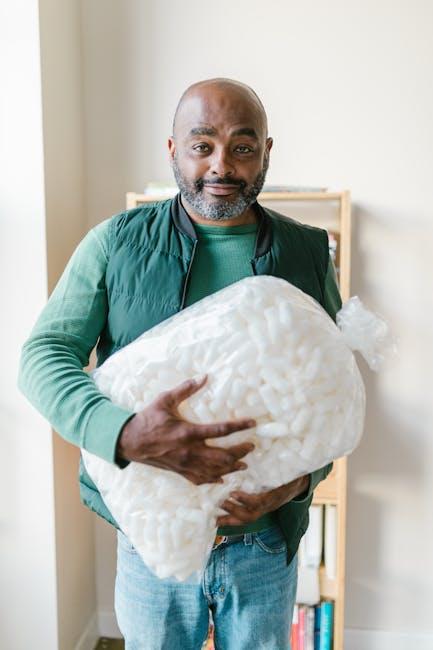
When selecting packing peanuts, it’s essential to consider the nature of the items you’re shipping. Biodegradable options are ideal for environmentally conscious businesses, offering the same protective benefits without the guilt of plastic waste. For heavier or fragile items, opt for denser, non-breakable peanuts that provide firm cushioning and prevent movement inside the box. Meanwhile, lightweight products benefit from the airy, lightweight type that fills voids without adding bulk or weight, keeping your shipping costs low.
Factors to weigh when deciding on packing peanuts include:
- Material composition: biodegradable starch-based vs. traditional polystyrene
- Item fragility and weight: heavier objects need sturdier fill
- Environmental impact: sustainability goals versus performance needs
- Shipping distance and handling: longer routes may require better shock absorption
| Packing Peanut Type | Best For | Environmental Impact | Cost |
|---|---|---|---|
| Biodegradable | Lightweight, eco-friendly shipments | Low | $$ |
| Polystyrene | Heavy, fragile goods | High | $ |
| Anti-static | Electronics and sensitive items | Moderate | $$$ |
Preparing Items for Secure Packaging with Peanuts
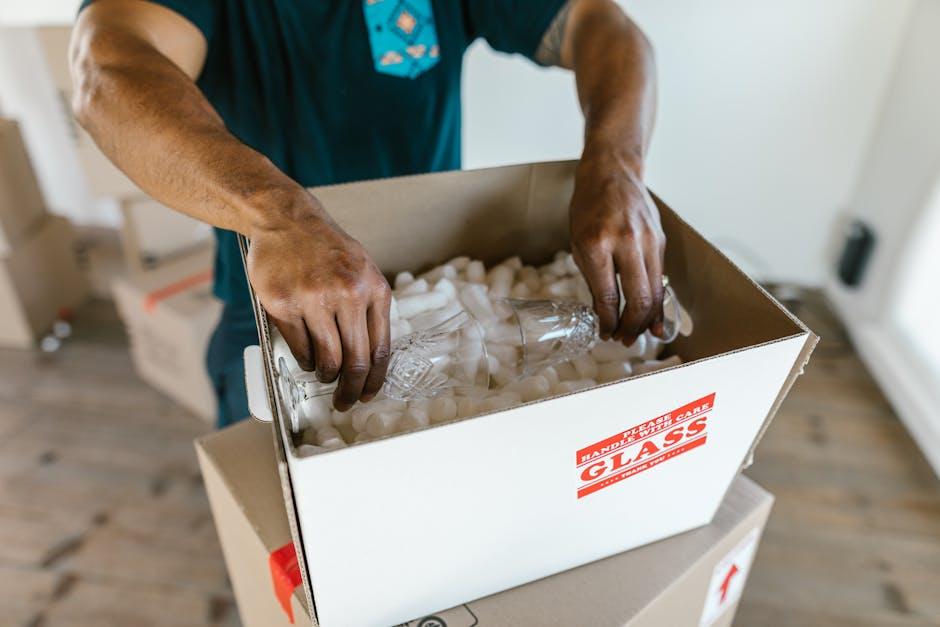
Before diving into packing with peanuts, it’s crucial to ensure your items are ready to withstand the cushioning storm. Clean and dry your products thoroughly to prevent moisture damage or staining. For fragile or uniquely shaped objects, wrapping them in bubble wrap or tissue paper can add an extra layer of protection. Don’t forget to close any loose parts or lids securely—this minimizes movement inside the package and keeps everything intact during transit.
Organizing your items with thoughtful placement is key. Begin by layering a generous bed of peanuts at the bottom of the box to absorb impact. Nestle your product in the center, surrounded by additional peanuts to fill all voids. This tri-layer method keeps the item immobilized from every angle. Use the table below as a quick guide to match your product type with some ideal prep tips:
| Product Type | Pre-Packaging Element | Recommended Peanut Layer Thickness |
|---|---|---|
| Glassware | Bubble wrap & tape | 3 to 4 inches |
| Electronics | Anti-static wrap | 2 to 3 inches |
| Clothing | Plastic bag for moisture | 1 to 2 inches |
| Books & Media | Cardboard sleeves | 1 to 2 inches |
Techniques for Efficiently Filling Boxes to Maximize Protection
Start by layering packing peanuts at the bottom of the box to create a soft, cushioned base that absorbs shocks during transit. When placing your item inside, position it in the center to ensure even protection on all sides. Be generous with the packing peanuts, filling empty spaces around the product to prevent any shifting. The goal is to achieve a snug, yet flexible fit that keeps the item suspended away from the box walls, shielding it from potential impacts.
To further enhance protection, mix different sizes of packing peanuts. Use larger peanuts for the bottom and top layers, while filling gaps closer to the item with smaller ones to lock everything in place more securely. Avoid compressing the peanuts too much, as their airy structure is what provides optimal shock absorption. Below is a simple guide to balance the distribution effectively:
| Layer Position | Peanut Size | Purpose |
|---|---|---|
| Bottom | Large | Cushion foundation |
| Around Item | Small | Secure fit, no movement |
| Top | Large | Absorb impact |
Tips for Eco-Friendly Disposal and Recycling of Packing Peanuts
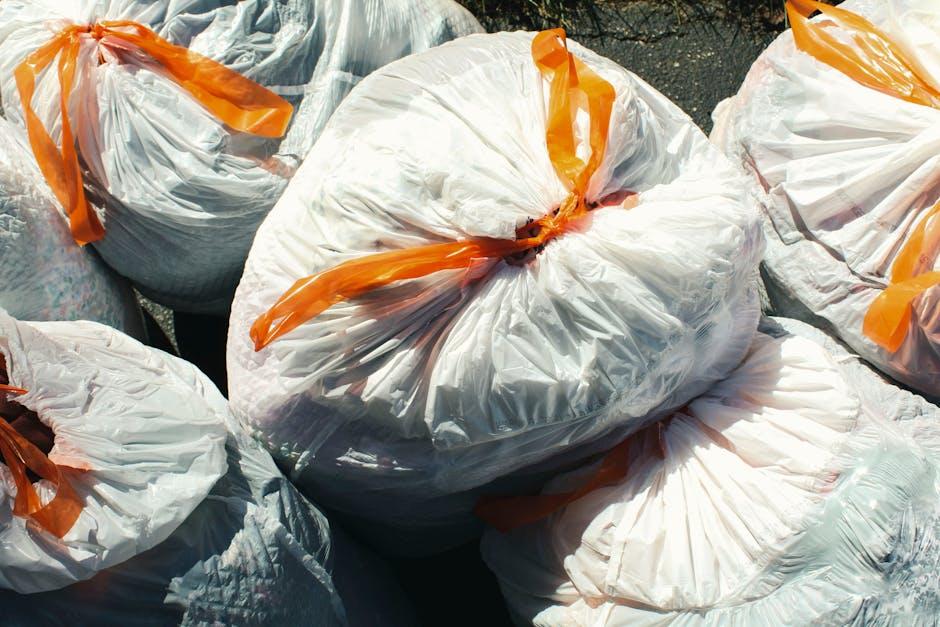
When it comes to disposing of packing peanuts, biodegradable options offer an eco-conscious solution. Always check if your packing peanuts are made from cornstarch or other plant-based materials, as these can dissolve in water, making cleanup and disposal easier. For non-biodegradable peanuts, consider taking them to local shipping stores or packaging centers that accept them for reuse. Keeping these lightweight materials out of landfills helps reduce environmental impact significantly.
To enhance recycling efforts, try to:
- Store clean peanuts in a dry container for future use or donate them to friends, schools, or online community groups.
- Use them creatively for crafts or gardening projects, such as drainage in plant pots.
- Avoid mixing packing peanuts with other recyclables to prevent contamination.
| Material Type | Disposal Method | Eco Impact |
|---|---|---|
| Cornstarch Packing Peanuts | Water dissolving & compost | Low |
| Polystyrene Peanuts | Reuse or specialized recycling | High if landfilled |
Creative Ways to Reuse Packing Peanuts at Home and Office
Transform those leftover packing peanuts into a treasure trove of practical uses around your home and office. For starters, they make excellent plant drainage fillers—just place a handful at the bottom of your pots to prevent waterlogging without adding extra weight. In the workspace, use them as cord organizers; simply thread your cables through a cluster of peanuts to keep them tangle-free and easy to identify. They’re also great for creating impromptu stress balls: gather a few into a balloon and tie it off for a squishy, reusable fidget tool that’s both budget-friendly and environmentally conscious.
Beyond functional uses, these tiny pods can spark your creativity in crafting or DIY projects. Decorate vases by gluing painted peanuts for a textured mosaic effect or insulate delicate holiday ornaments during storage. Here’s a quick reference table to inspire your reuse strategies:
| Reuse Idea | Materials Needed | Benefit |
|---|---|---|
| Plant Pot Drainage | Packing peanuts, flower pot | Prevents overwatering |
| Cable Organizer | Packing peanuts, cables | Reduces tangling |
| DIY Stress Ball | Packing peanuts, balloon | Affordable stress relief |
| Decorative Mosaic | Packing peanuts, paint, glue | Unique textured art |
Common Mistakes to Avoid When Using Packing Peanuts
Many users fall into the trap of overusing packing peanuts, believing that more is always better to protect their items. However, this excess can backfire, causing unnecessary bulk and increased shipping costs. Instead, aim for a balanced approach—line your box with a sufficient base layer of peanuts, nestle your item securely in the middle, and fill all remaining gaps to prevent movement. Neglecting to secure the peanuts inside the box can also lead to shifting contents during transit, resulting in damage. For optimal protection, always shake the box gently after filling; if you hear items rattling, add more peanuts until everything is snug.
Avoid mixing packing peanuts with inappropriate materials like newspaper or shredded paper without considering their weight and cushioning properties. This can compromise the protective qualities of the packing arrangement. Also, using packing peanuts without proper sealing methods—for example, leaving the box tape loose—diminishes their effectiveness. Remember, peanuts are designed to cushion, not to act as adhesive or sealants. Check the type of peanuts you’re using as well; biodegradable and non-biodegradable peanuts behave differently during packing and shipping, so always match the type to your shipping needs.
| Common Mistake | Why Avoid It? | Better Approach |
|---|---|---|
| Overstuffing the Box | Increased shipping weight and cost | Use just enough to prevent movement |
| Mixing with Heavy Paper | Uneven cushioning and potential damage | Use either packing peanuts or paper separately |
| Inadequate Sealing | Contents shift and exposure risk | Secure with strong tape and fill voids fully |
Q&A
Q&A:
Q1: What exactly are packing peanuts?
A1: Packing peanuts are small, lightweight foam pieces used in shipping to cushion and protect fragile items. They fill empty spaces in boxes, preventing movement and absorbing shocks during transit.
Q2: How should I fill a box using packing peanuts?
A2: Start by placing a layer of packing peanuts at the bottom of your box. Nestle your item in the center, then gently pour packing peanuts around and over it until it’s fully surrounded. Aim for a snug but not overly compressed fit to ensure maximum protection.
Q3: Can I reuse packing peanuts?
A3: Absolutely! If the packing peanuts are clean and intact, reuse is encouraged. Store them in a dry container to keep them in good condition for your next package.
Q4: Are all packing peanuts the same?
A4: No, there are biodegradable and non-biodegradable types. Biodegradable peanuts are made from natural starch and dissolve in water, making them eco-friendlier. Non-biodegradable ones are typically made from polystyrene and should be reused or recycled properly.
Q5: How do I dispose of packing peanuts properly?
A5: If they’re biodegradable, simply soak them in water to dissolve. For non-biodegradable peanuts, try to reuse them, or check if your local recycling center accepts them. Avoid throwing them in regular trash to minimize environmental impact.
Q6: Can packing peanuts be a hazard?
A6: While generally safe, packing peanuts can pose a choking hazard to pets and small children. Keep them out of reach and use with caution in households with curious little ones or animals.
Q7: How do I prevent packing peanuts from making a mess?
A7: Work slowly and in a contained space when handling packing peanuts. Static electricity can cause them to cling to surfaces, so occasionally rubbing your hands with a dryer sheet can reduce this. Wearing disposable gloves can help too.
Q8: Can packing peanuts be used for anything besides packing?
A8: Definitely! Creative reuses include filling beanbags, creating crafts, or even use as soil insulation in gardening. Their lightweight, cushioning qualities lend themselves to many inventive applications beyond shipping.
Q9: Is there a better alternative to using packing peanuts?
A9: Alternatives like crumpled recycled paper, air pillows, or bubble wrap can sometimes be more environmentally friendly or convenient, depending on the item being shipped. Choose packing materials based on protection needs, cost, and sustainability preferences.
Q10: What’s the key to using packing peanuts effectively?
A10: The secret lies in balance: fill empty spaces without overpacking, keep peanuts dry, reuse when possible, and dispose responsibly. This ensures your items arrive safe, your space stays tidy, and the planet stays happier.
To Wrap It Up
In the grand scheme of shipping and storage, packing peanuts often go unnoticed—small, unassuming guardians of your fragile treasures. Yet, when used properly, they transform chaotic cargo into safe, secure parcels. By understanding how to layer, cushion, and recycle these tiny protectors, you not only ensure your items arrive intact but also contribute to a more sustainable approach to packaging. So, next time you prepare a box for dispatch, remember the humble packing peanut’s silent promise: protection with a purpose. Handle them wisely, and your shipments will thank you.