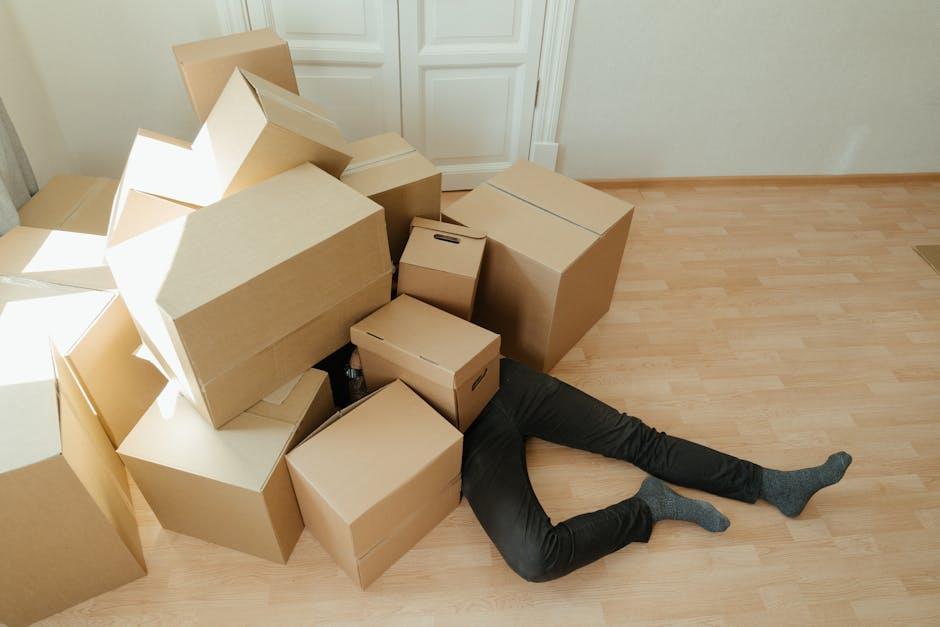
Moving to a new home often stirs up a complex blend of excitement and anxiety. Boxes pile up, timelines tighten, and the to-do list feels endless. But what if there were simple, smart strategies that could cut through the clutter and chaos? In this article, we unveil 10 game-changing moving hacks designed to transform your relocation experience from stressful to streamlined. Whether you’re a first-timer or a seasoned mover, these insider tips will help you save time, reduce frustration, and settle into your new space with ease. Ready to make your next move your best move? Let’s dive in.
Table of Contents
- Effortless Packing Strategies to Save Time and Space
- Smart Labeling Techniques for Stress-Free Unpacking
- Essential Tools and Supplies for a Smooth Move
- Innovative Ways to Protect Fragile and Valuable Items
- Maximizing Efficiency with Strategic Loading and Unloading
- Tips for Staying Organized and Maintaining Focus Throughout the Move
- Q&A
- Closing Remarks
Effortless Packing Strategies to Save Time and Space
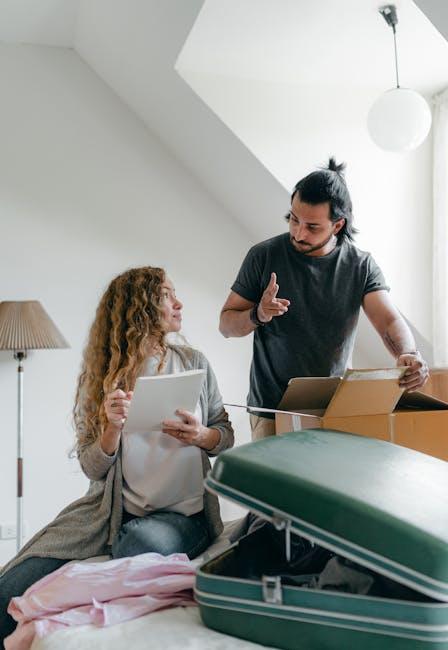
Maximizing your packing efficiency doesn’t have to be a chore. Start by applying the roll-and-stuff method to your clothes, which not only saves space but also minimizes wrinkles. Utilize every nook and cranny—think inside shoes, hats, and even empty jars—to house smaller items like jewelry, socks, and cables. This approach transforms wasted space into organized compartments, letting you fit more without the bulk.
Another game-changing tip is to categorize and color-code your boxes using labels or tape. This visual system accelerates unpacking and keeps your belongings neatly sorted from the get-go. Below is a simple packing matrix to help you decide what to pack when, preventing last-minute chaos:
| Item Type | Packing Priority | Best Packing Tip |
|---|---|---|
| Essentials | Pack last | Keep in a separate labeled bag |
| Seasonal Clothes | Pack early | Vacuum-seal for space |
| Fragile Items | Wrap carefully | Use bubble wrap + towels |
| Books & Media | Pack moderately | Fill gaps with socks |
Smart Labeling Techniques for Stress-Free Unpacking
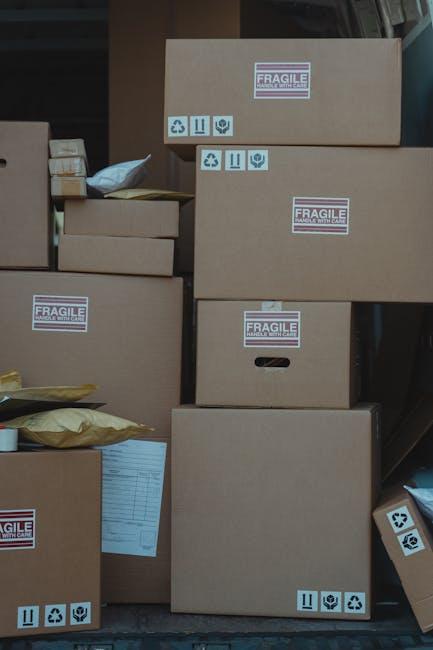
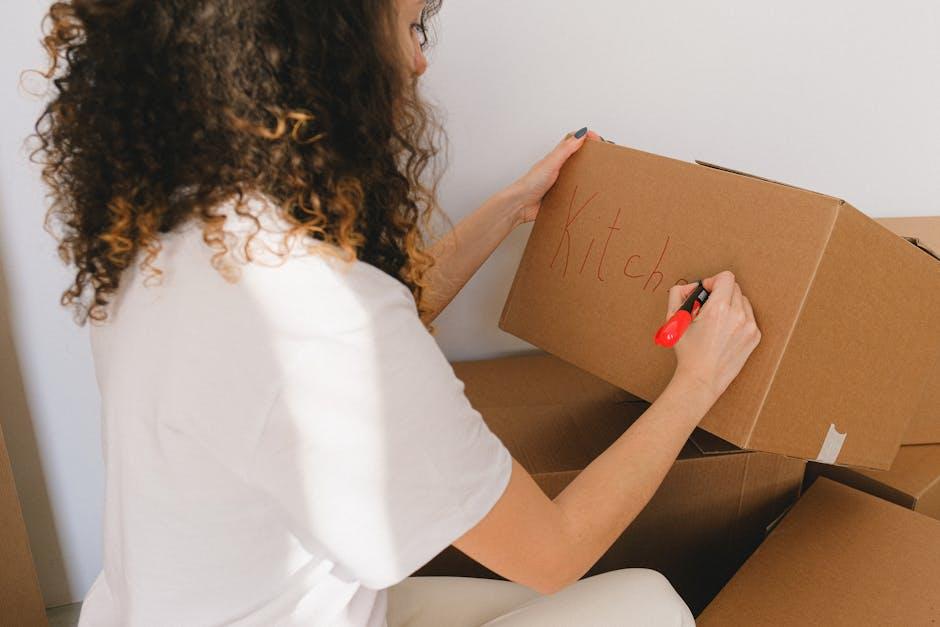
Transform your unpacking experience by adopting labeling strategies that take the guesswork out of relocating. Instead of haphazard scribbles, consider creating a color-coded system where each room is assigned a unique hue. Use bright markers, colored labels, or even colored tape on your boxes to instantly recognize where everything belongs. Pair this with detailed yet concise descriptions of contents—think “Kitchen: Baking supplies & utensils” instead of just “Kitchen.” This dual system not only cuts down on the time spent searching for necessities but also makes the entire process visually intuitive.
For those who appreciate organized tech, try integrating QR codes on your boxes linked to digital inventories stored on your phone or cloud. This way, you can scan a code and instantly see what’s inside without opening each box. Here’s a quick overview of effective labeling components:
| Labeling Element | Example | Benefit |
|---|---|---|
| Color Codes | Blue = Bathroom, Green = Bedroom | Visual clarity & quick sorting |
| Detailed Descriptions | “Books – Fiction & Non-fiction” | Exact item knowledge |
| QR Codes | Scan to view content list | High-tech, efficient tracking |
Essential Tools and Supplies for a Smooth Move
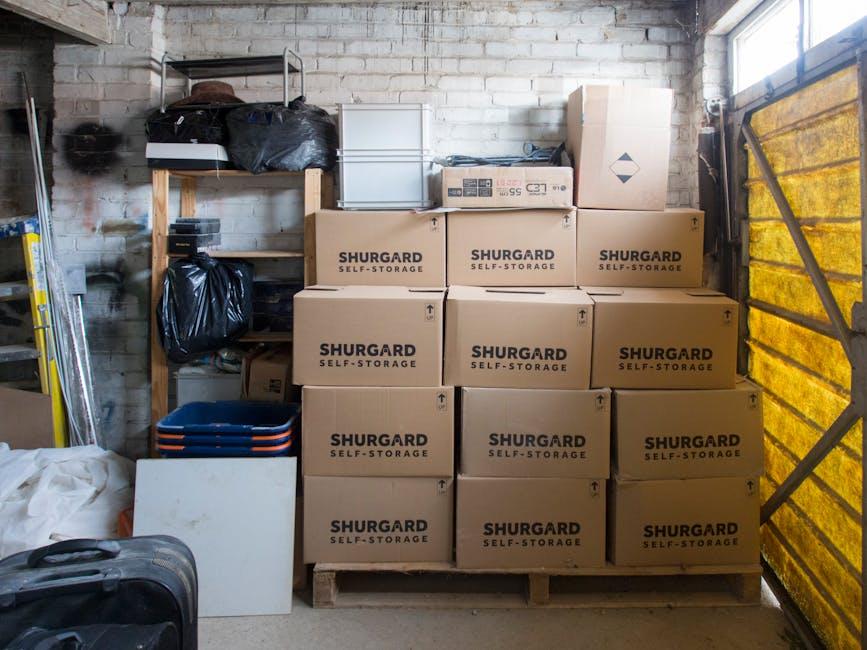
Before the chaos of moving day begins, equipping yourself with the right tools can make all the difference. From heavy-duty packing tape that holds boxes firmly, to marker pens for clear labeling, these seemingly small supplies help keep your move organized and stress-free. Don’t underestimate the power of a quality box cutter for quick and safe unpacking, or bubble wrap and packing paper to protect your fragile belongings. Equally important are moving blankets and hand trucks, which ease the physical strain and prevent damage during transit.
To simplify your packing process, consider gathering the following essentials:
- Sturdy cardboard boxes in various sizes
- Stretch wrap to bundle loose items
- Furniture sliders for maneuvering heavy pieces
- Gloves to protect your hands
- Zip ties and rubber bands to secure cords and small parts
| Tool/Supply | Purpose | Pro Tip |
|---|---|---|
| Moving blankets | Protect furniture from scratches | Use old towels for extra padding |
| Hand truck | Transport heavy boxes effortlessly | Secure boxes with bungee cords |
| Markers | Label box contents clearly | Use color codes per room |
Innovative Ways to Protect Fragile and Valuable Items
When it comes to safeguarding delicate possessions, conventional packing materials often fall short. Instead, harness the power of everyday household items like silk scarves, bubble wrap alternative, and even clean tights to create a cushioned barrier that adapts to oddly shaped objects. For example, wrapping glassware in soft fabrics before placing them into boxes lined with foam peanuts can significantly reduce the risk of cracks or chips during transit. Additionally, using customized inserts made from recycled cardboard not only offers sustainable protection but also keeps valuables snugly in place, preventing unnecessary movement.
For tech gadgets and heirlooms that demand an extra layer of care, layering protective materials can work wonders. Consider the following innovative tactics to maximize safety:
- Layered Wrapping: Wrap items first with acid-free tissue paper, then a layer of bubble wrap, and finally secure with biodegradable packing tape.
- Double Boxing: Place fragile items in a small box, padded inside, then put that box inside a larger padded box for shock absorption.
- Dividers and Partitions: Create compartments within boxes using sturdy cardboard to stop items from knocking against each other.
Maximizing Efficiency with Strategic Loading and Unloading
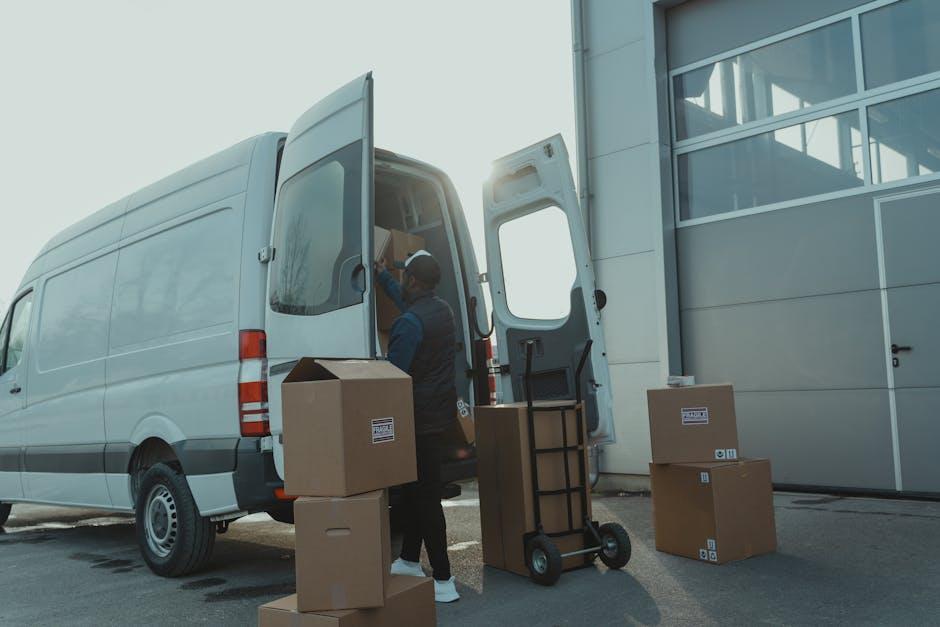
Loading and unloading your belongings strategically can save you hours of frustration and help avoid unnecessary damage during the move. Start by placing heavier items on the bottom and stacking lighter, fragile boxes on top. Utilize an “essential items” box that stays accessible so you’re not digging through piles when you first arrive. By grouping items by room and labeling each box clearly, you create an intuitive flow that makes packing and unpacking far more efficient.
Consider the layout of the moving truck or van and plan the order in which you’ll unload. Store boxes for the rooms you’ll tackle first near the door to avoid shuffling through the entire load. Here’s a quick reference to keep things organized:
| Item Type | Loading Priority | Unload Order |
|---|---|---|
| Heavy furniture | First in (bottom layer) | Last out |
| Boxes by room (kitchen, bedroom) | Middle | Unload by priority |
| Essential box | Last in (top layer) | First out |
| Fragile items | Top and securely packed | Carefully and early |
- Load smart: maximize space while protecting fragile items.
- Unload strategically: work room-by-room, starting with essentials.
- Label everything: reduce confusion and speed unpacking.
Tips for Staying Organized and Maintaining Focus Throughout the Move
Staying organized amidst the chaos of moving can transform a stressful ordeal into a manageable adventure. Begin by breaking down your packing strategy into small, actionable tasks. Use color-coded labels or stickers on boxes to identify rooms or priority levels at a glance. Keeping a digital or paper checklist not only tracks your progress but also provides a satisfying sense of accomplishment as you tick off completed items. Don’t forget to designate a specific spot for essentials—things like chargers, important documents, and basic toiletries—so they’re always within arm’s reach, preventing last-minute scrambles.
Maintaining focus requires intentional rhythms throughout your moving day. Set clear time blocks for packing, loading, and breaks, allowing your mind—and body—to recharge without losing momentum. Consider using productivity techniques such as the Pomodoro method: work intensely for 25-minute spells followed by brisk 5-minute breaks. Incorporate short walks or stretching to keep your energy vibrant. Below is a quick reference table illustrating a simple moving day focus plan you might adopt:
| Time Slot | Activity | Purpose |
|---|---|---|
| 8:00 – 8:25 AM | Packing Essential Items | Kickstart productivity with crucial items |
| 8:25 – 8:30 AM | Break | Rest eyes and stretch |
| 8:30 – 8:55 AM | Load Boxes | Maintain momentum and clear space |
| 8:55 – 9:00 AM | Break | Rehydrate and reset focus |
Q&A
Q&A:
Q1: What’s the biggest secret to packing efficiently?
A1: The key is to start early and use uniform-sized boxes. This not only saves space but also makes stacking and transporting smoother. Plus, label every box clearly with its contents and destination room to avoid last-minute confusion.
Q2: How can I protect fragile items without buying expensive materials?
A2: Think creatively—use soft clothing like t-shirts, socks, or towels as cushioning. Wrap breakables individually and fill empty spaces in boxes with crumpled paper or bubble wrap to prevent shifting.
Q3: Is there a smart way to pack electronics?
A3: Absolutely. Use the original packaging if you still have it, as it’s custom-designed for your device. If not, cushion electronics in small boxes lined with foam or bubble wrap, and keep cords organized by bundling them with twist ties or zip bags labeled by device.
Q4: How can I save time on unpacking?
A4: Color-code your boxes with stickers or markers and create a corresponding floor plan of your new home. This way, movers and helpers know exactly where each box goes, getting you settled faster.
Q5: What’s a genius hack for moving heavy furniture?
A5: Use old blankets or towels under the legs to slide furniture across floors without scratching. Alternatively, furniture sliders or even large pieces of cardboard can help you glide bulky items with less effort.
Q6: How do I keep important documents safe during the move?
A6: Pack vital papers—passports, contracts, birth certificates—in a separate, clearly labeled folder or portable file box that you carry with you. Avoid putting these in moving trucks to prevent loss or damage.
Q7: Any tips for moving with pets?
A7: Prepare a “pet bag” with food, toys, and essential supplies. Keep your pets in a quiet, secure room during packing and moving to reduce stress, and try to set up their space first in your new home to help them adjust quickly.
Q8: How can I avoid last-minute moving day chaos?
A8: Make a checklist and pack a “day-of essentials” box or bag with snacks, chargers, basic tools, and a change of clothes. Having necessities at hand ensures you’re ready for anything unexpected.
Q9: Is it better to hire professional movers or DIY?
A9: It depends on your budget and timeframe. Professionals can save time and physical strain, while DIY might save money and give you full control. Consider hybrid options, like hiring movers for heavy items and doing lighter packing yourself.
Q10: What’s the ultimate tip to make moving less stressful?
A10: Embrace flexibility and stay organized. Accept that not everything will go perfectly, but with good planning and a positive mindset, your move can be a smooth transition rather than a stressful ordeal.
Closing Remarks
Moving can be a whirlwind of chaos and excitement, but with these 10 game-changing hacks in your toolkit, you’re equipped to transform the experience from overwhelming to downright manageable. Whether you’re crossing town or state lines, a little planning and clever strategy can make all the difference. So, pack smart, label clearly, and remember—every great adventure begins with the right moves. Here’s to your smoothest, most organized move yet!