Moving day—a phrase that often stirs a cocktail of excitement and anxiety. Amid the chaos of packing boxes, coordinating schedules, and navigating unfamiliar spaces, it’s easy to feel overwhelmed. Yet, staying calm during this pivotal day can transform the experience from stressful to manageable. In this article, we’ll explore practical strategies and mindful approaches to help you maintain your composure, keep the process smooth, and turn your move into a day of confident transition rather than frazzled frenzy.
Table of Contents
- Preparing Your Mindset for the Big Day
- Creating a Detailed Moving Day Schedule
- Packing Smart to Minimize Stress
- Harnessing Support from Friends and Professionals
- Incorporating Mindfulness and Breathing Techniques
- Handling Unexpected Challenges with Flexibility
- Q&A
- To Wrap It Up

Preparing Your Mindset for the Big Day
Moving day can stir up a whirlwind of emotions, but embracing a calm mindset starts with intentional mental preparation. Begin by setting realistic expectations for the day—acknowledge that some hiccups are natural and part of the process. Visualization techniques can be incredibly effective: take a few moments each morning before moving to imagine everything unfolding smoothly, from packing to settling into your new space. This mental rehearsal builds confidence and reduces anxiety, allowing you to face challenges with a clear head.
Another powerful tool is grounding yourself in the present moment. When stress creeps in, pause and take deep, mindful breaths. Focusing on simple physical sensations—like the feeling of your feet on the floor or the rhythm of your breath—anchors your thoughts and prevents them from spiraling. Additionally, create a small checklist of priorities to keep your mind organized:
- Essentials box: Keep key items handy to avoid last-minute scrambling.
- Break schedule: Plan short pauses to recharge and avoid overwhelm.
- Positive affirmations: Remind yourself that every step brings you closer to your new beginning.
Creating a Detailed Moving Day Schedule
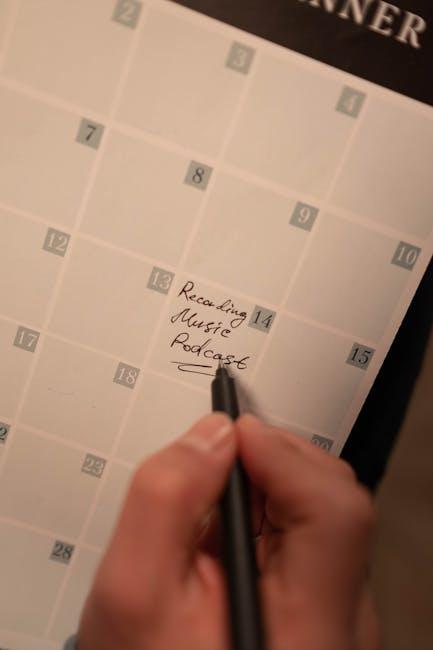
When every minute counts, having a clear and thorough plan is your best ally. Start by breaking down your day into manageable time blocks, assigning specific tasks to each segment. This approach not only prevents last-minute chaos but also brings a reassuring predictability to the day. Consider making a checklist categorized by rooms or task type, such as packing fragile items, dismantling furniture, or preparing essentials for immediate use in your new home.
Incorporate flexibility by scheduling buffer times to handle unexpected delays or simple breaks to recharge. Here’s a sample timeline that balances efficiency and calm:
| Time | Task | Notes |
|---|---|---|
| 7:00 AM | Breakfast & Final Packing | Essentials bag packed and ready |
| 9:00 AM | Loading Boxes Into Truck | Heavy items first, fragile last |
| 11:00 AM | Furniture Disassembly | Keep small parts labeled |
| 1:00 PM | Lunch Break | Stay hydrated and energized |
| 2:00 PM | Final Home Check | Double-check closets, cabinets |
| 3:00 PM | Hit the Road | Confirm directions & route |
- Prepare in advance: Pack a day-before essentials kit to reduce morning anxiety.
- Delegate tasks: Assign clear roles to family or friends.
- Stay visible: Keep important documents and items within easy reach.
Packing Smart to Minimize Stress
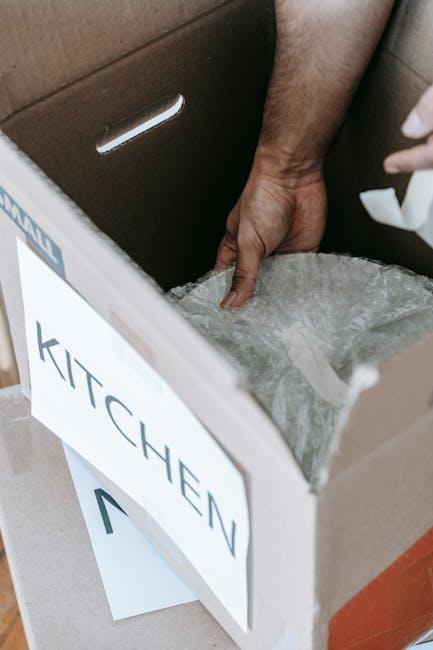
Packing with intention can be a game-changer when it comes to reducing moving day chaos. Start by sorting items by priority and room, labeling boxes with clear, color-coded tags that indicate their destination. This simple step helps movers know exactly where each box belongs, saving time and confusion. Don’t forget to pack a “first-night” essentials box—it’s your lifeline for immediate comfort, including toiletries, a change of clothes, chargers, and basic kitchen supplies.
Keep your packing strategy stress-free by embracing a minimalist approach. Avoid overstuffing boxes to keep them light and manageable. Utilize soft items like towels or linens as natural padding to protect fragile belongings without extra bubble wrap. To stay on track, here’s a quick reference:
| Packing Tip | Why It Works |
|---|---|
| Color-coded labels | Speeds up unpacking and organizing |
| Essentials box | Keeps vital items within easy reach |
| Lightweight boxes | Reduces physical strain and risk of injury |
| Use soft padding | Protects fragile items naturally |

Harnessing Support from Friends and Professionals
Moving day can easily become overwhelming without the right support system in place. Turning to friends not only provides much-needed hands but also injects a sense of camaraderie and humor, lightening the mood during this high-stress transition. Don’t hesitate to delegate specific tasks—someone can manage refreshments, another can oversee packing supplies, and a detail-oriented friend could double-check the inventory. This collaborative approach ensures that no one feels burdened and the day flows more smoothly.
Professional movers and organizers bring expertise that can transform chaos into calm. Their experience allows them to anticipate challenges and handle fragile items with care, easing your mental load. When coordinating with professionals, clear communication is key; provide them with a detailed plan and timelines to keep the process transparent. Consider this handy checklist for working with professionals:
| Step | Tip |
|---|---|
| 1. Book Early | Secure movers well in advance to avoid last-minute stress. |
| 2. Label Clearly | Use clear labels for rooms and fragile items. |
| 3. Provide Access | Ensure movers have easy entry to all areas. |
| 4. Stay Available | Be reachable to answer questions during the move. |
| 5. Confirm Final Walkthrough | Do a last check to prevent leaving anything behind. |

Incorporating Mindfulness and Breathing Techniques
When tension builds up amid the chaos of moving, grounding yourself through simple mindfulness and breathing exercises can be a game changer. Pause for a moment, close your eyes if possible, and draw in a slow, deliberate breath through your nose. Hold it briefly, then release gently through your mouth. This practice not only lowers your heart rate but also sharpens your focus, helping you tackle each task with calm clarity.
Integrating mindful moments throughout the day can be as easy as sticking to a few quick routines. Try:
- Five-finger breathing: Trace the outline of your hand with a finger while inhaling and exhaling completely at each point.
- Body scan: Briefly notice any tension in your muscles and consciously relax those areas.
- Anchoring phrases: Repeat calming phrases like “I am steady” or “This too shall pass” to center your thoughts.
| Technique | Duration | Benefit |
|---|---|---|
| Deep Inhalation | 3-5 seconds | Reduces stress hormones |
| Mindful Pause | 1 minute | Refocuses attention |
| Progressive Relaxation | 5 minutes | Eases muscle tension |

Handling Unexpected Challenges with Flexibility
Moving day often throws curveballs that can easily derail your plans if you’re not prepared to adapt. Embracing spontaneity is key—whether it’s a last-minute change in weather, delayed movers, or misplaced boxes, your ability to pivot gracefully will keep stress levels at bay. Instead of fixating on the hiccup, take a deep breath and view each obstacle as a temporary puzzle. This mindset opens the door to practical solutions and prevents frustration from taking the wheel.
Here are some flexible strategies to consider when the unexpected arises:
- Have a backup plan: Pre-arranged contacts for additional help or alternate transportation options can save the day.
- Prioritize essentials: Quickly identify must-have items versus those that can wait, adjusting your unpacking order accordingly.
- Stay connected: Keep communication lines open with helpers and service providers to swiftly address issues.
- Keep a sense of humor: A lighthearted attitude turns setbacks into stories rather than stress triggers.
| Challenge | Flexible Response | Why It Works |
|---|---|---|
| Delayed Movers | Use extra time to organize or relax | Keeps calm and productive instead of panicking |
| Bad Weather | Cover items with plastic and rearrange schedule | Protects belongings and ensures safety |
| Lost Keys | Access spare key or contact locksmith | Resolves access problem quickly |
Q&A
Q&A:
Q: Why does moving day often feel so stressful?
A: Moving day is a whirlwind of activity, deadlines, and decisions. It’s a mix of excitement and uncertainty, with a tight schedule and countless tasks all happening at once. This hectic environment can easily overwhelm even the most prepared individuals.
Q: What’s the first step to maintaining calm amidst the chaos?
A: Preparation is your best friend. Create a detailed moving checklist well before the big day. Breaking down the process into manageable tasks helps prevent last-minute scrambling and gives you a clear sense of control.
Q: How can I mentally prepare for moving day?
A: Visualize the day ahead, acknowledging both the challenges and the rewards. Embrace a mindset of flexibility—understanding that unexpected hiccups may arise, and that adjusting gracefully is key to staying calm.
Q: Are there any tips for physical self-care during moving day?
A: Absolutely. Stay hydrated, take occasional deep breaths, and don’t skip meals. Even quick breaks to stretch or step outside for fresh air can reset your nerves and boost your energy.
Q: What role does organization play in reducing stress on moving day?
A: Organization is a calming anchor. Label boxes clearly, keep important documents handy, and have a “moving day essentials” bag with snacks, chargers, and personal items. Knowing exactly where things are saves time and frustration.
Q: How can I manage emotions linked to leaving a familiar place?
A: Acknowledge your feelings—moving isn’t just physical, it’s emotional. Take moments to say goodbye to rooms, reflect on memories, and remind yourself that endings lead to new beginnings. Sharing your feelings with supportive friends or family can also ease the transition.
Q: Can hiring professional movers help reduce stress?
A: Yes, when within budget, professionals can take a massive load off your shoulders, allowing you to focus on other tasks or simply breathe. Just be sure to research and book them early to avoid last-minute pressures.
Q: What about on the actual moving day—any final advice?
A: Pace yourself and keep a positive attitude. Celebrate small wins, like loading the first box or arriving at your new home. Remember, moving is a marathon, not a sprint—patience and perspective will keep anxiety at bay.
Q: How do I settle in calmly after the move?
A: Prioritize unpacking essentials to create a comfortable space quickly. Take time to explore your new neighborhood and establish routines. This gentle transition helps your mind and body adjust smoothly, turning a new house into a home.
Q: Is it normal to feel overwhelmed even with all these strategies?
A: Completely normal. Moving is a major life event, and feeling overwhelmed shows you care. If stress becomes too heavy, reach out for help—friends, family, or professionals can offer invaluable support. Remember, calm comes in waves, and soon you’ll find your rhythm.
To Wrap It Up
Moving day doesn’t have to be a whirlwind of stress and chaos. By embracing a calm mindset and following thoughtful strategies, you can transform what often feels like a daunting challenge into an organized, even peaceful, transition. Remember, every box packed and every step taken is a step toward a new chapter. So take a deep breath, trust your plan, and let the calm carry you through—your new beginning awaits.