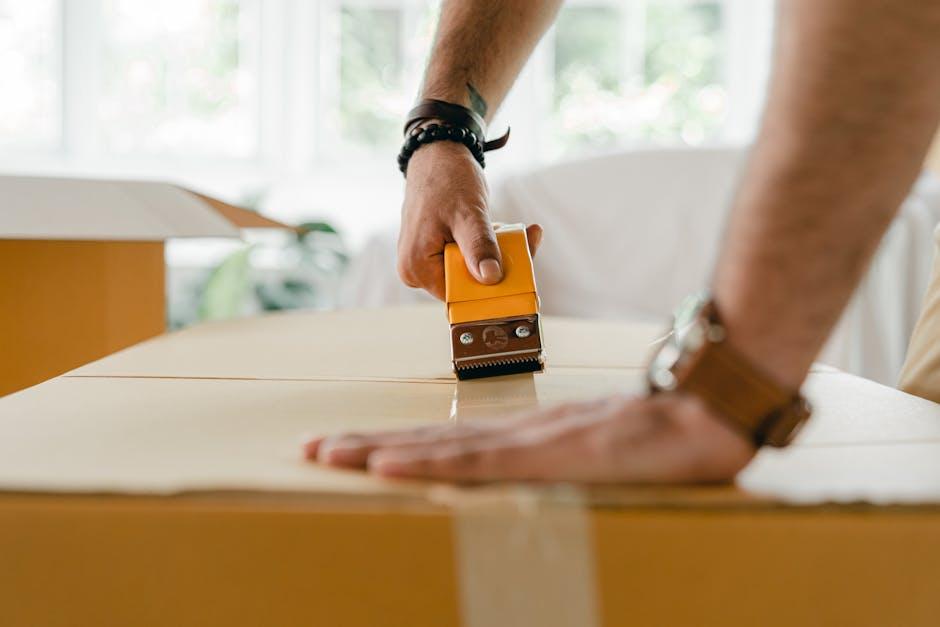
Moving to a new place often sparks excitement and a fresh start, but the process of packing can quickly turn into an overwhelming—and costly—challenge. Whether you’re relocating across town or across the country, finding smart and affordable ways to pack your belongings is key to keeping your moving budget intact. In this article, we’ll explore practical tips and clever strategies that help you pack efficiently without breaking the bank, proving that a well-organized move doesn’t have to come with a hefty price tag. Ready to get started? Let’s dive into how to pack cheaply for your next move.
Table of Contents
- Choosing Budget-Friendly Packing Materials That Don’t Sacrifice Safety
- Smart Strategies for Downsizing Before You Pack
- Maximizing Space with Efficient Packing Techniques
- Repurposing Household Items as Cost-Effective Packing Solutions
- Timing Your Move to Take Advantage of Savings and Discounts
- Tips for Finding Free or Low-Cost Moving Boxes and Supplies
- Q&A
- Future Outlook
Choosing Budget-Friendly Packing Materials That Don’t Sacrifice Safety
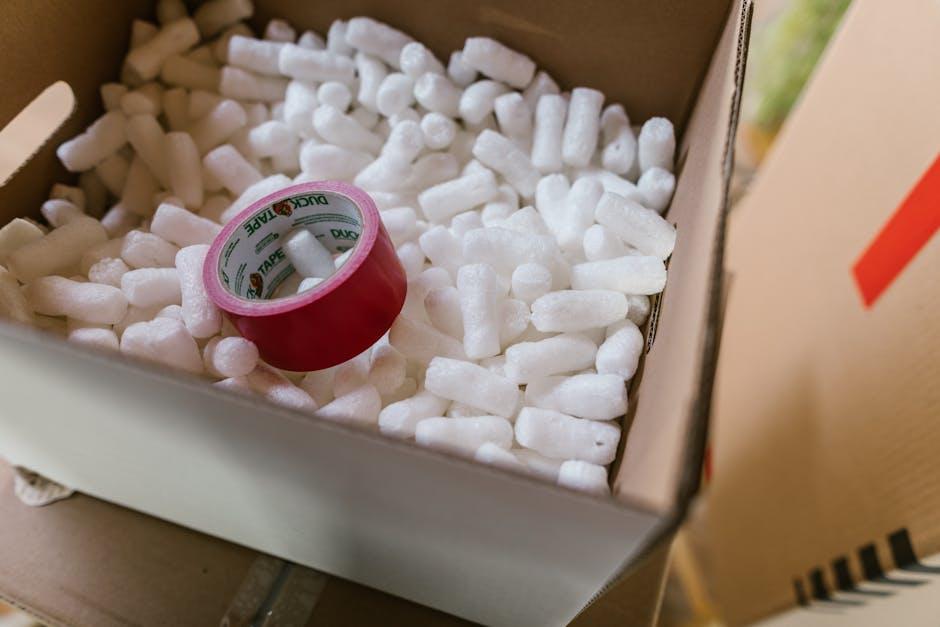
Finding affordable packing materials doesn’t mean you have to compromise on the protection of your belongings. Instead of splurging on brand-new boxes, consider repurposing items you already have. Moving forward with options like sturdy shoeboxes, dresser drawers lined with bubble wrap, or even large tote bins can provide excellent cushioning without the extra cost. For delicate items, layering with soft household fabrics like towels, T-shirts, or old linens can create a reliable buffer against impacts, keeping fragile goods secure and intact.
When shopping for budget-conscious supplies, look for sales or bulk deals on essentials like tape, bubble wrap, or packing peanuts. Dollar stores and online marketplaces often have hidden gems for packing gear at a fraction of the price. Here’s a quick breakdown of popular choices to get the most bang for your buck:
| Material | Cost-Efficiency | Protection Level |
|---|---|---|
| Used Boxes | High | Moderate to High |
| Bubble Wrap | Moderate | High |
| Newspaper | Very High | Low to Moderate |
| Blankets & Towels | High | Moderate |
| Stretch Wrap | Moderate | Moderate |

Smart Strategies for Downsizing Before You Pack
Before you even think about boxes and tape, it’s essential to declutter thoughtfully. Start by creating three piles: keep, donate, and discard. This visual separation not only helps you see what you really need but also reduces the volume of packed items, saving you both money and space. Another smart tactic is to tackle one room at a time, breaking down the overwhelming task into manageable chunks. As you sort, ask yourself: When was the last time I used this? Does it hold sentimental value or practical use? If the answer is no, it’s time to let it go.
Use the following checklist to streamline your downsizing journey:
- Digitize important documents and photos to reduce paper clutter.
- Host a garage sale or use online platforms to sell unwanted items.
- Consider storage options for items you can’t part with but won’t need immediately.
- Repurpose furniture or belongings to fit your new space and lifestyle.
| Item Category | Downsizing Tip | Benefit |
|---|---|---|
| Clothing | Keep only versatile, favorite pieces | Less packing weight and space |
| Books | Donate or sell duplicates | Lightens load significantly |
| Kitchenware | Choose essential multi-use items | Streamlines unpacking |
Maximizing Space with Efficient Packing Techniques
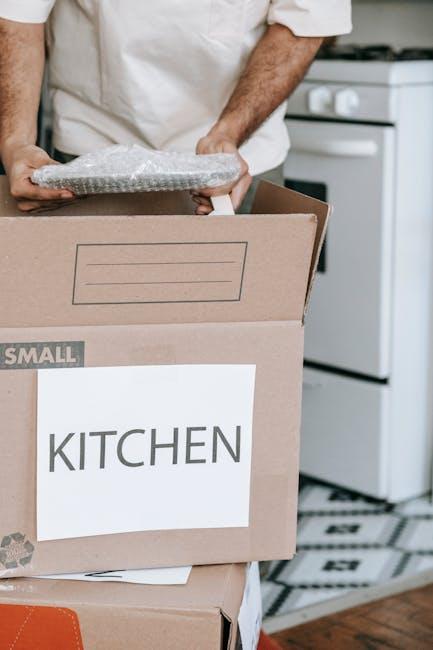
Space becomes a valuable commodity when moving, so mastering the art of efficient packing can make all the difference. Start by grouping smaller items together, such as kitchen utensils or toiletries, into sturdy containers instead of using oversized boxes that fill with air. Utilize softer belongings like towels, socks, or t-shirts as cushioning materials to protect fragile items — this dual-purpose tactic saves on bubble wrap and packing paper. Remember, stacking wisely inside boxes, heavier items on the bottom and lighter ones on top, optimizes every inch and avoids wasted space.
Incorporate vertical space too: tall items like brooms or wrapping paper fits perfectly along box corners. Containers with removable lids allow flexible access and easier reorganization during unpacking. Below is a quick guide on how different packing strategies maximize volume in a standard box:
| Packing Method | Volume Utilization | Cost Efficiency |
|---|---|---|
| Loose packing with cushioning | 70% | High |
| Stacked boxes with soft fillers | 85% | Medium |
| Vacuum-sealed bags for clothing | 95% | High |
| Using multi-purpose items as padding | 80% | Very High |

Repurposing Household Items as Cost-Effective Packing Solutions
Transform everyday objects lying around your home into practical packing materials that save both money and the environment. For example, old newspapers and magazines make excellent cushioning for fragile items, while fabric scraps, scarves, or t-shirts can be wrapped around delicate belongings to prevent scratches and chips. Instead of purchasing bubble wrap, consider using your collection of clean socks or towels to safely nestle glassware and ceramics. Even shoe boxes and laundry baskets come in handy as sturdy containers that can be lined and labeled for easy identification during your move.
- Coffee mugs or jars: Use them to store loose small items such as screws, bolts, or stationery.
- Pillowcases: Pack lightweight clothing like t-shirts or pajamas, and just pull them onto hangers for easy unpacking.
- Suitcases and backpacks: Fill them with books or heavier items to maximize weight distribution.
| Household Item | Packing Purpose | Cost-saving Advantage |
|---|---|---|
| Old Newspapers | Padding fragile items | Free alternative to bubble wrap |
| Pillowcases | Clothing storage | Reusable and space-efficient |
| Shoe boxes | Small item containers | Sturdy and already available |
| Towels & Scarves | Fragile item wrapping | Soft cushioning from existing materials |
Timing Your Move to Take Advantage of Savings and Discounts
Planning your move during off-peak seasons can unlock significant savings on packing materials and moving services. Typically, weekdays and mid-month slots are less in demand, meaning companies often offer discounted rates. To maximize budget efficiency, keep an eye on local store promotions, especially around holidays or clearance sales, where bubble wrap, boxes, and tape might be heavily marked down. Combining these deals with early bulk purchases can help you stockpile essential supplies without blowing your budget.
Creating a strategic shopping timeline not only reduces costs but also eases last-minute stress. Consider the table below outlining optimal periods to grab various packing materials at a lower price:
| Material | Best Time to Buy | Discount Chance |
|---|---|---|
| Cardboard Boxes | End of Month | High |
| Bubble Wrap | Holiday Sales | Medium to High |
| Packing Tape | Back-to-School Season | Medium |
| Moving Blankets | Winter Months | Medium |
Tips for Finding Free or Low-Cost Moving Boxes and Supplies
Scoring affordable or free moving boxes can make a huge difference in your overall moving budget. One of the best strategies is to tap into your local community. Many grocery stores, bookstores, and liquor shops often discard plenty of sturdy boxes daily that you can snatch up once their stock is replenished. Additionally, check online marketplaces and community boards where neighbors frequently offer free boxes left over from their own moves. Don’t overlook the power of social media — posting a quick request can connect you with locals who want to lighten their load by parting with their extra packing supplies. Clear and strong boxes are your best friends, so prioritize those that can hold weight without giving in.
Beyond boxes, sourcing cheap or DIY packing materials can save you a bundle. Instead of buying new bubble wrap or foam peanuts, repurpose household items like towels, sweaters, or newspapers as cushioning to protect fragile items. Also, consider using large trash bags to bundle non-fragile items together – this cuts down on the need for excess boxes and tape. Here’s a handy guide with common alternatives that can help keep costs low:
| Item | Budget-Friendly Alternative |
|---|---|
| Bubble wrap | Towels, t-shirts, or old linens |
| Packing peanuts | Crumpled newspapers or shredded paper |
| Boxes | Reusable tote bags or plastic bins |
| Fragile item labels | Colorful tape or hand-written sticky notes |
Q&A
Q&A:
Q1: What’s the first step to packing cheaply for a move?
A1: Start with a solid plan. Take inventory of what you have and decide what truly needs to come with you. The less stuff, the fewer packing materials you’ll need. This also means lighter loads and potentially lower moving costs!
Q2: Are there budget-friendly alternatives to traditional packing supplies?
A2: Absolutely. Think outside the box — literally. Use items you already have, like towels, blankets, and old newspapers to cushion fragile items. Reuse boxes from grocery stores, liquor shops, or local businesses that often have sturdy cartons ready for free pickup.
Q3: How can I avoid buying expensive moving boxes?
A3: Utilize free or cheap options like online community marketplaces (Facebook Marketplace, Freecycle, Craigslist), or ask friends and family for boxes they no longer need. Libraries and office supply stores are also good spots to check.
Q4: Is there a clever way to save on packing tape and bubble wrap?
A4: Yes! Use strong masking tape or even duct tape if packing tape feels pricey. For cushioning, shredded paper, old clothing, or even plastic bags can protect your belongings without the bubble wrap cost.
Q5: How do I pack efficiently to save both money and space?
A5: Pack smart by grouping items by size and fragility. Fill gaps in boxes with soft items like socks or scarves to avoid the need for extra padding. Roll clothes and linens to maximize space. Denser packing means fewer boxes, which cuts costs.
Q6: Can I repurpose household items as packing containers?
A6: Definitely! Suitcases, backpacks, laundry baskets, and reusable shopping bags can hold lots of things and reduce the number of boxes you need. Just make sure they close securely for safe transport.
Q7: What’s an underestimated tip for cheap packing?
A7: Start early. Waiting until the last minute means you might pay premium prices for supplies or services. Gathering materials over time and packing gradually can spread out costs and reduce stress.
Q8: How important is labeling in a cheap packing strategy?
A8: Very important! Labeling boxes clearly helps you find things faster, reducing the risk of repacking or damage. Use permanent markers on reused boxes to save on labels or printed tags.
Q9: Should I consider hiring professional packers to save money?
A9: If your budget is tight, DIY packing is generally cheaper. However, if you’re moving valuable or fragile items, professional packers might save money in the long run by preventing damage.
Q10: What’s the overall mindset when aiming to pack cheaply?
A10: Creativity and resourcefulness! Treat packing like a puzzle where every item, box, and material has a second life. With some imagination and planning, you can move smartly without breaking the bank.
Future Outlook
Moving doesn’t have to empty your wallet or your peace of mind. By embracing smart, budget-friendly packing strategies, you can turn the daunting task of relocation into a manageable—and even satisfying—experience. Remember, packing cheaply isn’t about cutting corners; it’s about creativity, resourcefulness, and thoughtful planning. As you close this chapter and begin the next in your new space, let your carefully packed boxes stand as proof that a little ingenuity goes a long way. Here’s to fresh starts and frugal moves ahead!