When it comes to packing breakables, a little finesse can mean the difference between cherished memories arriving intact or shattered into disappointment. Whether you’re preparing for a long-awaited move, a weekend getaway, or shipping delicate treasures across the country, mastering the art of packing fragile items is essential. In this article, we delve into the smartest hacks that blend ingenuity with practicality—ensuring your glassware, ceramics, and keepsakes travel safely, no matter the distance. Say goodbye to anxiety and hello to confidence as we uncover clever strategies to protect your breakables every step of the way.
Table of Contents
- The Art of Choosing the Right Packing Materials
- Cushioning Techniques That Go Beyond Bubble Wrap
- Strategic Placement for Maximum Protection
- Labeling and Handling Instructions for Fragile Items
- Innovative Methods to Fill Empty Spaces
- Tips for Unpacking Without the Stress
- Q&A
- Future Outlook
The Art of Choosing the Right Packing Materials
When it comes to packing breakables, selecting the right materials can make all the difference between safe arrival and shattered regrets. Bubble wrap remains a timeless favorite, its air-filled pockets providing unmatched cushioning. However, consider modern alternatives like foam sheets or biodegradable packing peanuts that not only protect but also support sustainable moves. Don’t overlook the power of packing paper—it’s perfect for wrapping delicate items without the bulk. Also, sturdy boxes with double wall construction offer a solid fortress for fragile belongings, significantly reducing the chances of impact damage.
Knowing which material to use and when is a subtle art. Here’s a quick guide to balance protection and efficiency:
- Glass & Ceramics: Bubble wrap or foam wrap plus crumpled packing paper for extra fill
- Electronics: Anti-static bubble wrap followed by secure box padding
- Artwork & Frames: Corner protectors paired with soft foam sheets and rigid boxes
- Chandeliers & Fragile Decorations: Individual compartments using molded pulp or custom inserts
| Material | Best For | Key Benefit |
|---|---|---|
| Bubble Wrap | Glass, Ceramics | Superior cushioning |
| Foam Sheets | Artwork, Electronics | Lightweight yet protective |
| Packing Paper | All fragile items | Eco-friendly fill and wrap |
| Molded Pulp Inserts | Chandeliers, Specialized decor | Custom fit protection |

Cushioning Techniques That Go Beyond Bubble Wrap
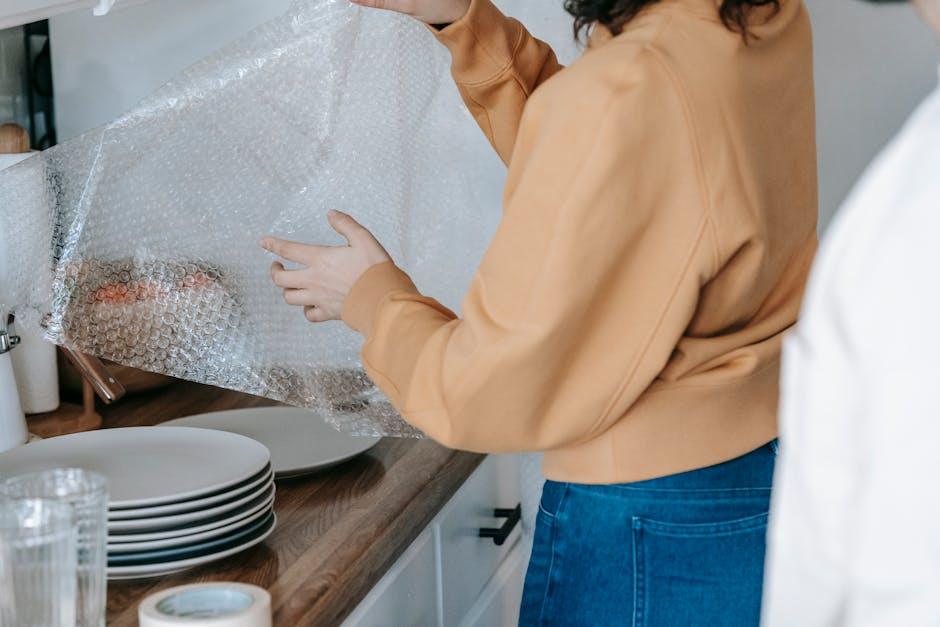
When it comes to protecting your fragile items, bubble wrap is just the beginning. For superior cushioning, consider materials that mold perfectly around your items, distributing pressure evenly and absorbing shocks effortlessly. Foam peanuts are lightweight and great for filling gaps, while inflatable air pillows offer customizable support, ensuring nothing shifts during transit. For an eco-friendly touch, use crumpled kraft paper or old newspapers — they create a snug barrier while being gentle on the environment.
For a more structured approach, layering is key. Start with a soft base, such as a cotton towel or clothing, then wrap each item individually with tissue paper or soft foam sheets. Use cardboard dividers for added separation, especially for glassware or ceramics. Here’s a quick comparison of some popular cushioning materials to help you choose the right one:
| Material | Best For | Eco-Friendly |
|---|---|---|
| Foam Peanuts | Filling gaps, lightweight items | No |
| Inflatable Air Pillows | Custom fit cushioning | Partially |
| Kraft Paper | Eco-friendly padding | Yes |
| Cotton Towels/Clothing | Soft, reusable padding | Yes |
Strategic Placement for Maximum Protection
Choosing exactly where to place your fragile items within the larger packing scheme isn’t just about fit—it’s a tactical decision to safeguard your valuables. Start by nesting delicate pieces in the center of your boxes, where they’re cushioned by multiple layers of padding and heavier items act as a buffer against external shocks. Avoid the edges and corners, as these areas are more prone to impact during transit.
Think of your box as a mini fortress. Line the bottom with a thick base layer of foam, crumpled paper, or bubble wrap. Arrange your breakables one by one, leaving small gaps to fill with softer materials that prevent movement. Use an unnumbered list to remember the essentials:
- Heaviest items first: Stabilize the base and reduce shifting.
- Fragile items wrapped individually: Bubble wrap or soft cloth works wonders.
- Fill voids: Prevent rattling with packing peanuts or crumpled kraft paper.
- Top with cushioning: Ensure extra padding protects the surface layers.
| Box Layer | Recommended Material |
|---|---|
| Bottom Layer | Foam sheets or thick bubble wrap |
| Middle Layer (around items) | Crumpled Kraft paper or packing peanuts |
| Top Layer | Soft bubble wrap or packing cushions |

Labeling and Handling Instructions for Fragile Items
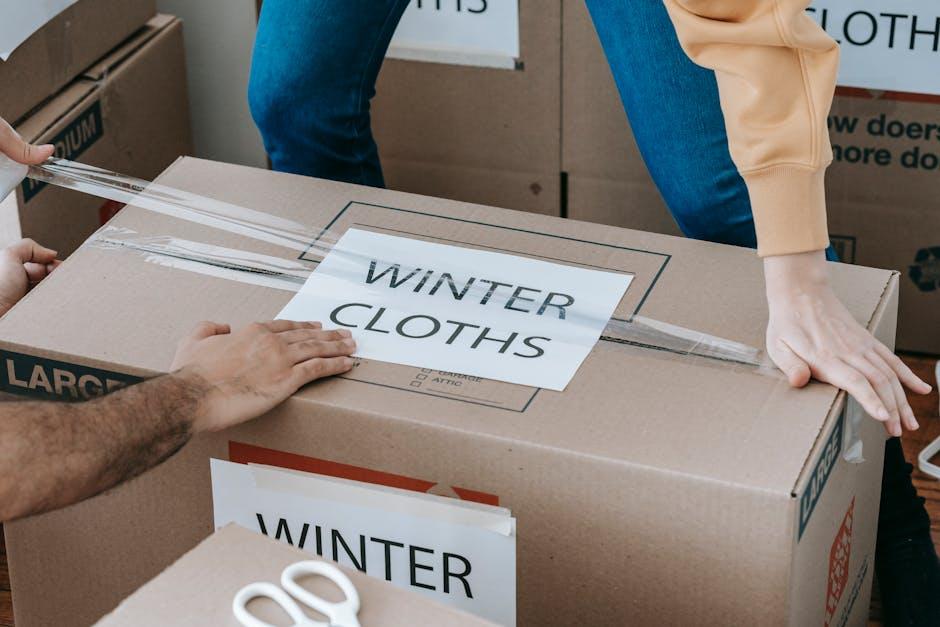
When packing delicate belongings, clear communication is vital to ensure they reach their destination in perfect condition. Start by using bright, bold labels on every box containing fragile items—think neon stickers or custom stamps. This not only catches the eyes of movers but also prevents accidental stacking or rough handling. Complement your labels with simple iconography like a cracked glass symbol or arrows pointing upward to eliminate any guesswork about package orientation. Remember, a well-marked box speaks volumes about the care needed inside.
Beyond labeling, creating a handling protocol can be a game-changer, especially for valuable or heirloom pieces. Include a checklist attached directly to the package featuring clear care instructions such as:
- Handle with care: Avoid dropping or tossing.
- Keep upright: Always transport the box in an upright position.
- Temperature-sensitive: Store away from extreme heat or cold.
For quick reference, consider this simple guide to labeling essentials:
| Label Type | Purpose | Visual Cue |
|---|---|---|
| Fragile Sticker | Alerts to delicate contents | Red and white glass icon |
| This Side Up | Indicates correct orientation | Black arrows on yellow |
| Handle With Care | General caution for handlers | Bold black font on white |
Innovative Methods to Fill Empty Spaces
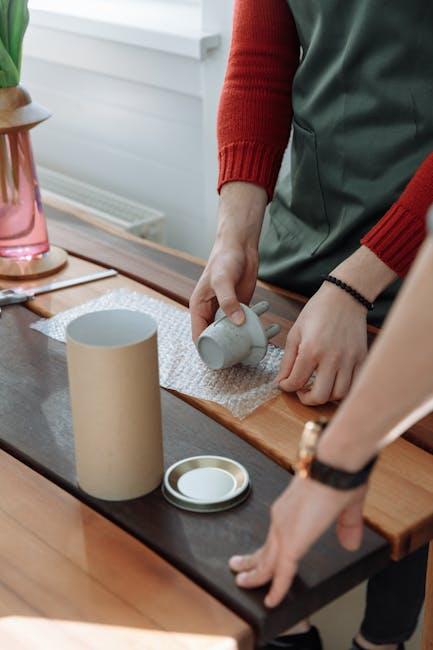
Maximizing every inch of your box not only ensures the safety of your fragile items but also optimizes your packing efficiency. One clever approach is to use silicone cupcake liners or small containers to nest tiny delicate parts like screws, earrings, or glass lids. This method prevents these small bits from rattling around and potentially causing damage. Additionally, consider filling awkwardly shaped spaces with materials that can conform to odd contours, such as bubble wrap strips twisted into loose “ropes” or soft foam peanuts. These fillers cushion impact while absorbing shock, keeping everything snug and secure.
For an extra layer of organization and protection, try creating a homemade divider system using recycled cardboard. Cut the cardboard into a grid that fits snugly inside the box, forming individual compartments for each breakable piece. This not only prevents items from knocking against each other but also makes unpacking a breeze. Here’s a quick comparison of common fillers to help you decide:
| Filler | Shock Absorption | Reusability | Eco Friendliness |
|---|---|---|---|
| Bubble Wrap | High | Medium | Low |
| Crushed Paper | Medium | High | High |
| Foam Peanuts | High | Medium | Low/Some Biodegradable Options |
| Old Towels/Cloths | Medium | High | High |
Tips for Unpacking Without the Stress
Start by designating a specific area in your new home as an unpacking zone. This way, you keep all your fragile items centralized and avoid the chaos of scattered boxes. Keep your essential unpacking tools handy—scissors, tape, and markers—so you can open boxes strategically without tearing into protective layers prematurely. Remember, patience is key; rushing often leads to damage and frustration, so pace yourself and take breaks when needed to keep your focus sharp.
Involve your household or moving helpers by creating a clear system for fragile items. Use this table as a guide to prioritize unpacking based on fragility and usage frequency:
| Item Type | Unpacking Priority | Handling Tip |
|---|---|---|
| Glassware & China | High | Unpack solo, use bubble wrap as cushions |
| Photos & Memorabilia | Medium | Use labeled boxes, avoid stacking heavy items |
| Decor & Artwork | Low | Set aside for last, use corner protectors |
Q&A
Q&A:
Q: What is the most important principle when packing fragile items?
A: The key principle is cushioning. Fragile items need a protective buffer to absorb shocks and prevent direct impact. Think of it as creating a cozy nest where every piece is gently cradled to avoid cracks and chips.
Q: How can everyday household items help in packing breakables?
A: Everyday items like towels, socks, and even crumpled newspapers are excellent padding materials. They fit around delicate pieces perfectly, providing soft layers that reduce movement and protect against bumps.
Q: Why is wrapping each item individually essential?
A: Wrapping breaks down the risk visually and physically. Each piece gets its own shield, so if one item encounters pressure, the damage won’t cascade to others. It’s like giving each item a personal bubble of protection.
Q: Is it better to use new packing materials or recycled ones?
A: Both can work well if used correctly. New packing materials like bubble wrap offer consistent cushioning, while recycled goods like shredded paper are eco-friendly and often just as effective when layered thoughtfully. The goal is protection, not perfection.
Q: What’s a clever trick to prevent wine bottles or similar items from breaking?
A: Use a roll of socks to separate wine bottles. This versatile, soft barrier acts like a mini bumper between bottles, absorbing shocks without bulky packing materials. Plus, it’s a space saver in tight boxes.
Q: Are there specific box types better suited for fragile items?
A: Double-walled boxes are sturdier and provide more protection. Also, smaller boxes prevent too much shifting inside. Always choose a box that fits the items snugly and is strong enough to withstand stacking.
Q: How should the bottom of a box be prepared before placing breakables inside?
A: Line the box bottom with a thick layer of padding—bubble wrap, foam, or even crumpled paper. This base layer acts as a cushion for any downward pressure during transport.
Q: Can labeling a box as “fragile” influence how it’s handled?
A: Yes, labeling alerts movers or carriers to treat the box with extra care. However, don’t rely solely on the label; proper packing is the real safeguard against breakage.
Q: What’s a pro tip for filling empty spaces in a box?
A: Use packing peanuts, crumpled paper, or fabric to fill gaps. Empty spaces allow items to shift and collide. Filling these voids keeps contents firmly in place and minimizes impact risks.
Q: How should one unpack breakables to avoid damage during unpacking?
A: Take your time and unpack slowly. Remove the top layers of padding gently and keep wrapped items wrapped until you’re ready to place them safely. Careful unpacking is the last line of defense for your precious breakables.
Packing fragile treasures doesn’t have to be a nerve-wracking task. With the right hacks, you can ensure everything arrives safe, sound, and ready to shine in your new space.
Future Outlook
In the end, packing breakables isn’t just about bubble wrap and boxes—it’s an art of foresight, care, and a touch of ingenuity. With these smartest hacks in your toolkit, you’ll transform the nerve-wracking task of safeguarding fragile treasures into a seamless dance of protection and efficiency. Whether you’re moving across town or shipping across the globe, remember: a little thoughtful packing goes a long way in keeping your precious items safe and sound. So pack smart, travel light, and let your breakables arrive just as you intend—intact and ready for their next chapter.

